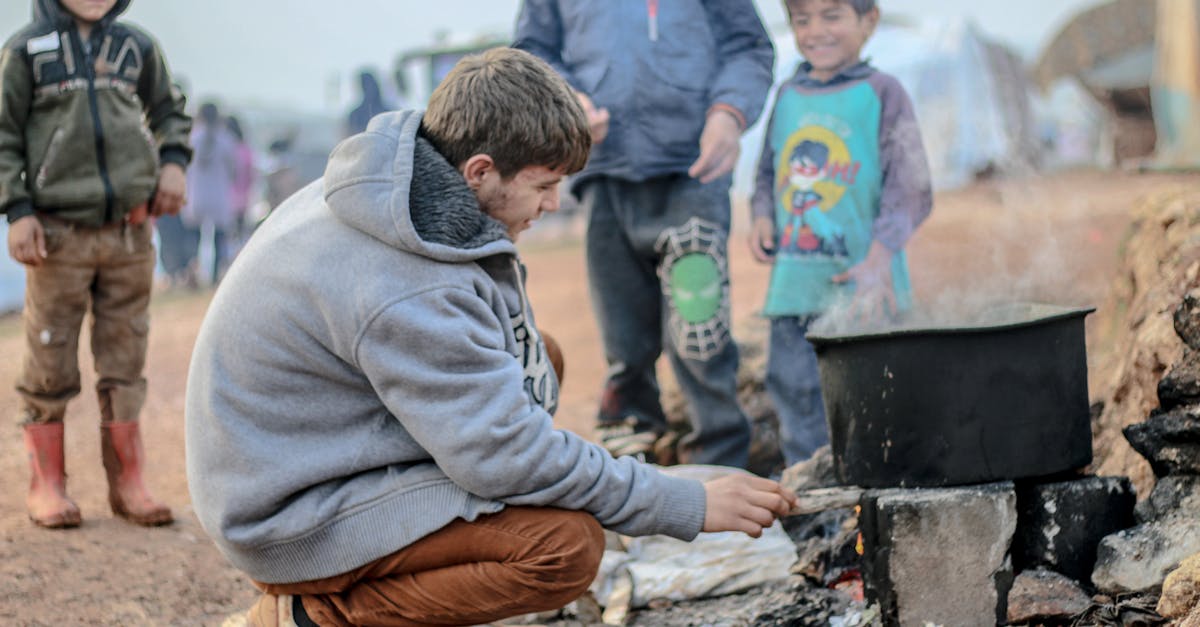
The European Union has emphasized the necessity of delivering more humanitarian aid to Southern Lebanon, where residents are enduring difficult living conditions. This request is part of the EU's efforts to support the most affected areas in Lebanon, especially in light of the ongoing crises plaguing the country.
Humanitarian needs in Lebanon are significantly increasing, with reports indicating that many families are struggling to secure food and medicine. The EU has expressed its readiness to provide the necessary support, stressing the importance of international cooperation in addressing this crisis.
Details of the Event
In an official statement, the European Union confirmed the need to intensify efforts to deliver aid to the most affected areas, including Southern Lebanon. It pointed out that the humanitarian situation in Lebanon requires an urgent response from the international community, especially with the rising numbers of displaced persons and refugees.
The statement also highlighted that aid should include food, water, and healthcare, as many residents are suffering from a severe shortage of these basic necessities. Several projects have been identified that could contribute to improving the humanitarian situation in the region.
Background & Context
Lebanon has been experiencing multiple crises for several years, including economic, political, and social challenges. These crises have been exacerbated by the repercussions of the COVID-19 pandemic, increasing the suffering of citizens. In this context, international support is vital for helping Lebanon navigate this difficult phase.
Historically, the European Union has been among the key actors providing support to Lebanon, especially during times of crisis. European aid has contributed to improving living conditions for many families, but the need has now become more urgent than ever.
Impact & Consequences
An increase in humanitarian aid could improve the situation in Southern Lebanon, alleviating the suffering of the population. Additionally, European support may encourage other countries to provide assistance, thereby enhancing international efforts to help Lebanon.
However, the biggest challenge remains how to deliver this aid effectively amid the complex security and political conditions in the country. Therefore, coordination among the relevant parties will be essential to ensure that aid reaches those in need.
Regional Significance
The situation in Lebanon serves as an indicator of the challenges faced by many Arab countries amid multiple crises. Providing humanitarian aid to Lebanon could contribute to stabilizing the region and reflects the international community's commitment to assisting countries in distress.
Ultimately, hope remains that these efforts will lead to an improvement in the humanitarian conditions in Lebanon, providing a dignified life for the residents suffering from harsh circumstances.