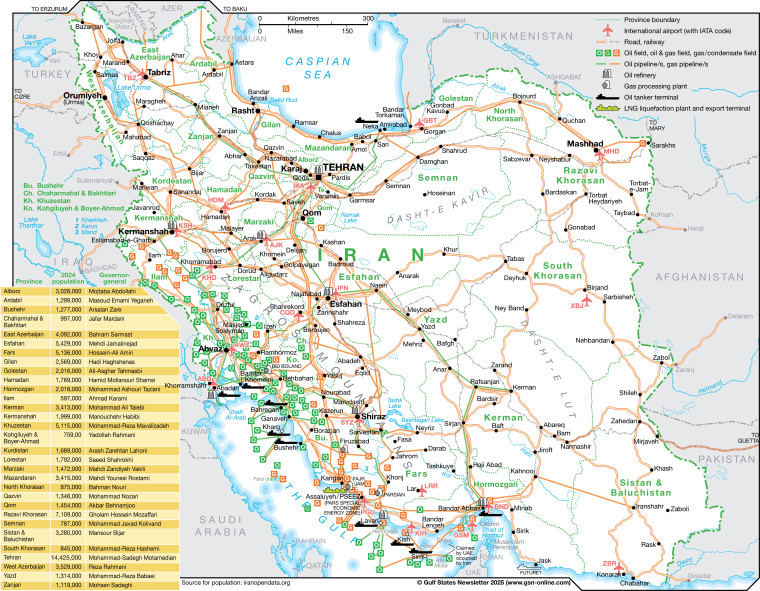
In a strong statement, European Council President Antonio Costa asserted that any attack targeting Iran's energy infrastructure is an illegal and unacceptable act. This declaration came five weeks after the escalation of conflict in the Middle East, where Costa called for the necessity of seeking diplomatic solutions to resolve the worsening crises.
Costa added via X platform that military escalation will not lead to peace but will increase the suffering of civilians, who are the primary victims of the Iranian regime. He pointed out that attacks on civilian facilities, especially those related to energy, contradict international laws.
Details of the Event
Costa's remarks come at a sensitive time when the region is witnessing heightened tensions between Iran and other countries. Iran has faced severe criticism for its military activities. Costa noted that military solutions will not bring peace; rather, serious negotiations must take place to reach a lasting agreement.
The European Union also urged Iran to cease attacks on neighboring countries and to allow freedom of navigation in the Strait of Hormuz, a vital corridor for global trade. He emphasized that escalation will not yield any positive results and that focus should be on dialogue as a means to achieve stability in the region.
Background & Context
Historically, the Middle East has witnessed numerous armed conflicts that have had profound impacts on regional and international security. Since the outbreak of the war in Syria, tensions have escalated between Iran and its allies on one side, and the Gulf Arab states and the United States on the other. These tensions have led to a series of reciprocal attacks, complicating the security situation in the region.
In recent years, Iran's energy infrastructure has become a target for many attacks, raising concerns within the international community. These attacks have been deemed violations of international laws, as targeting civilian facilities contradicts the principles of protecting civilians in armed conflicts.
Impact & Consequences
Analyses indicate that the continued escalation in the region could exacerbate humanitarian crises and increase civilian suffering. Additionally, attacks on energy infrastructure could significantly impact the Iranian economy, intensifying pressures on the Iranian government.
On the other hand, these tensions may lead to increased divisions among countries in the region, complicating peace efforts. Therefore, calls for dialogue and negotiation come at a crucial time, as any military escalation could result in catastrophic outcomes.
Regional Significance
Developments in Iran have a direct impact on the security and stability of neighboring Arab countries. Military tensions could lead to an influx of refugees and increased security threats, affecting Arab nations that are already grappling with internal crises.
Furthermore, the continuation of the conflict may enhance the role of armed groups in the region, complicating peace efforts. Thus, cooperation between Arab countries and the European Union in this context is essential for achieving stability in the region.
In conclusion, the recent statements from the European Union reflect a growing concern over the escalation of conflict in the Middle East and underscore the importance of diplomatic solutions as a means to achieve peace and stability. The international community must work diligently to end the escalation and create a conducive environment for dialogue.