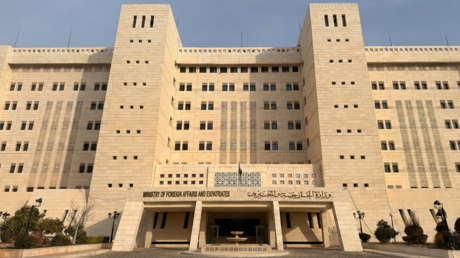
The Syrian government welcomed the European Union's recent decision to lift sanctions on seven governmental entities, including the Ministries of Interior and Defense. This decision comes at a sensitive time as the EU seeks to reassess its policy towards Syria while maintaining sanctions on certain individuals associated with the former regime.
The entities from which sanctions were lifted include key governmental institutions, reflecting a shift in the EU's stance towards the Syrian government. At the same time, the EU renewed sanctions on several individuals deemed responsible for ongoing human rights violations in the country, indicating continued tensions between the two sides.
Details of the Decision
This step by the EU represents a change in strategies for dealing with the Syrian government, as sanctions had been imposed following the ongoing conflict that has lasted for over a decade. The entities that had their sanctions lifted include vital ministries that play a crucial role in managing the daily affairs of the state.
Despite the lifting of sanctions on these entities, the EU emphasized the need to hold accountable those responsible for violations, clarifying that there are limits to this openness. This decision could contribute to improving economic conditions in Syria, but its impact remains limited as sanctions on key figures continue.
Context and Background
Since the outbreak of the conflict in Syria in 2011, many Western countries, including EU member states, have imposed sanctions on the Syrian government. These sanctions aimed to pressure the regime into negotiating with the opposition and achieving peace. However, the humanitarian situation in the country remains dire, complicating efforts to achieve stability.
In recent years, relations between Syria and the EU have seen some changes, with certain European countries beginning to reconsider their policies towards Damascus. This decision comes as part of attempts to find political solutions to the Syrian crisis, although sanctions remain in place against some individuals.
Consequences and Impact
The lifting of sanctions on governmental entities could lead to an improvement in Syria's economic situation, as these entities will be able to resume some business activities. However, the question remains about how this decision will affect the lives of ordinary citizens, who continue to suffer from the repercussions of the conflict.
The renewal of sanctions on figures from the previous regime may strengthen the opposition's position and reflects ongoing international pressure on the Syrian government. This balance between lifting and renewing sanctions illustrates the complexity of the situation in the country, as the international community seeks to achieve peace and stability.
Impact on the Arab Region
This decision is considered an important step in the context of Arab-European relations, as it may influence how Arab countries engage with the Syrian government. This decision could encourage some Arab nations to reopen channels of communication with Damascus, potentially contributing to greater stability in the region.
At the same time, the focus must remain on human rights and accountability for violations, as any improvement in relations should be accompanied by a genuine commitment to achieving justice. The potential positive impact on Syria's economic situation may also reflect on neighboring countries affected by the conflict.
In conclusion, this decision serves as a test of the EU's ability to balance its economic and political interests with its commitments to human rights. It will be important to monitor future developments in this context.