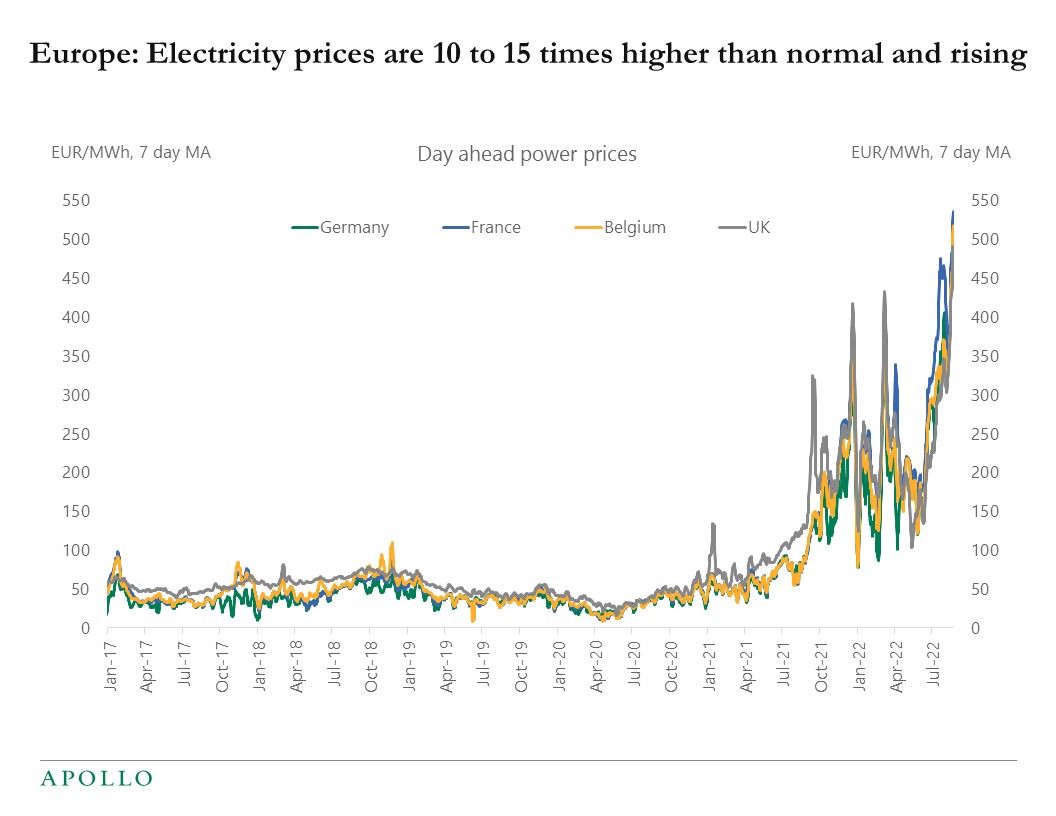
The European Union is facing an increasing energy crisis due to escalating tensions in the Middle East. The European Commissioner for Energy, Dan Jørgensen, announced that the EU is prepared to take emergency measures, including restrictions on fuel distribution and the release of emergency oil reserves. These actions come at a time when fears are growing about the impact of regional conflicts on energy supplies.
In statements made on Friday, Jørgensen told the Financial Times that the EU is considering the possibility of implementing a fuel distribution quota system to counter any potential shocks to energy supplies. He confirmed that the Union is working on a comprehensive plan to address the long-term structural consequences arising from the conflict in the region.
Details of the Situation
These steps follow the escalation of conflict between Iran and Israel, where the United States and Israel have launched attacks on targets in Iran, resulting in damage and loss of life. Iran responded to these attacks by targeting areas in Israel and U.S. military facilities in the Middle East, exacerbating the security situation in the region.
The escalation of the conflict has effectively closed the Strait of Hormuz, the main corridor for transporting oil and gas from Gulf countries to global markets. This has led to negative impacts on oil exports and production in Gulf countries, contributing to rising energy prices worldwide.
Background & Context
Historically, the region has witnessed numerous conflicts that have affected global energy markets. The current conflict is part of a series of ongoing tensions between Iran and other countries in the region, which often lead to negative impacts on the stability of oil markets. In recent years, there have been multiple attempts to reduce tensions, but recent events suggest that the situation may be heading towards further escalation.
Europe is one of the largest energy consumers in the world and relies heavily on oil and gas imports from Middle Eastern countries. Therefore, any escalation in conflict could directly affect energy supplies and prices in European markets.
Impact & Consequences
The measures being taken by the European Union to address the energy crisis are a significant step, as forecasts indicate that the situation may worsen in the coming weeks. Jørgensen warned that the situation for some vital products may deteriorate, necessitating serious consideration of legislative tools to confront the crisis.
Proposed options also include the possibility of relaxing fuel-related laws, such as increasing the percentage of ethanol in fuel or boosting imports from the United States. However, no final decisions have been made regarding these options yet, reflecting a state of uncertainty in the markets.
Regional Significance
Arab countries are directly affected by these developments, as many Gulf states are among the largest oil producers in the world. Any increase in energy prices could impact the economies of these countries, potentially leading to economic and social repercussions. Additionally, ongoing conflicts in the region may lead to further instability, negatively affecting security and energy in Arab nations.
In conclusion, it appears that the European Union is facing significant challenges amid escalating regional crises, necessitating urgent steps to ensure the stability of energy supplies. The current situation requires international coordination and cooperation among countries to ensure market stability and protect economic interests.