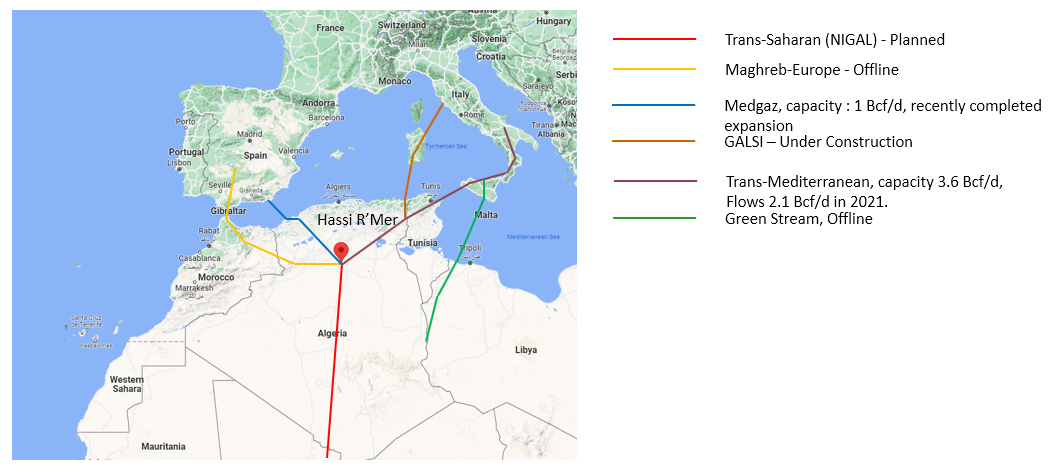
Europe is under increasing pressure regarding energy supplies as EU countries seek to reduce their reliance on Russian gas. Despite the intensive efforts made by European nations over the past few years, including a pivot towards liquefied natural gas from the United States and Qatar, new geopolitical tensions reflect the fragility of the current situation, making Europe susceptible to supply bottlenecks.
In this context, African gas reserves emerge as a potential option to rescue Europe from its energy crisis. Many African countries possess significant gas reserves, which could help diversify European energy sources and reduce dependence on Russian gas. However, exploiting these resources requires substantial investments and effective international cooperation.
Details of the Situation
Recent reports indicate that several European countries, including Germany and Italy, have already begun exploring partnerships with gas-rich African nations such as Nigeria and Algeria. This step is part of a long-term strategy aimed at securing energy supplies and enhancing energy security across Europe.
Nevertheless, challenges persist. Political and security tensions in some African countries may hinder investment and development efforts in the gas sector. Additionally, the infrastructure needed to transport gas to Europe requires significant improvements and upgrades, which demand time and substantial resources.
Background & Context
Historically, Europe has heavily relied on Russian gas, with Russia being the primary energy supplier for the continent. However, following the outbreak of the conflict in Ukraine in 2014, European nations began reassessing their energy strategies. As geopolitical tensions escalated, it became evident that dependence on a single energy source poses significant risks.
In recent years, many European countries have sought to diversify their sources, increasing imports of liquefied natural gas from the United States and Qatar. However, these efforts have not been sufficient to secure stable supplies, prompting them to explore new options, including African gas.
Impact & Consequences
If Europe succeeds in securing gas supplies from Africa, it could fundamentally alter the energy landscape on the continent. This could lead to a reduction in reliance on Russian gas, thereby enhancing European energy security. Furthermore, this cooperation could open new avenues for investment and development in African countries, benefiting their economies.
However, European nations must remain aware of the challenges associated with this shift. Political and security tensions in some African countries could affect supply stability. Additionally, climate change and environmental pressures may play a role in how these resources are exploited.
Regional Significance
Arab countries, particularly Algeria and Egypt, possess significant gas reserves, making them key players in this context. These nations could benefit from the increased European demand for gas, enhancing their position in the global market. Moreover, cooperation between Arab and African countries in the energy sector could contribute to greater stability in the region.
In conclusion, African gas reserves remain a potential option for Europe in addressing its energy crises, but the success of this option depends on achieving effective cooperation and investment in the necessary infrastructure.