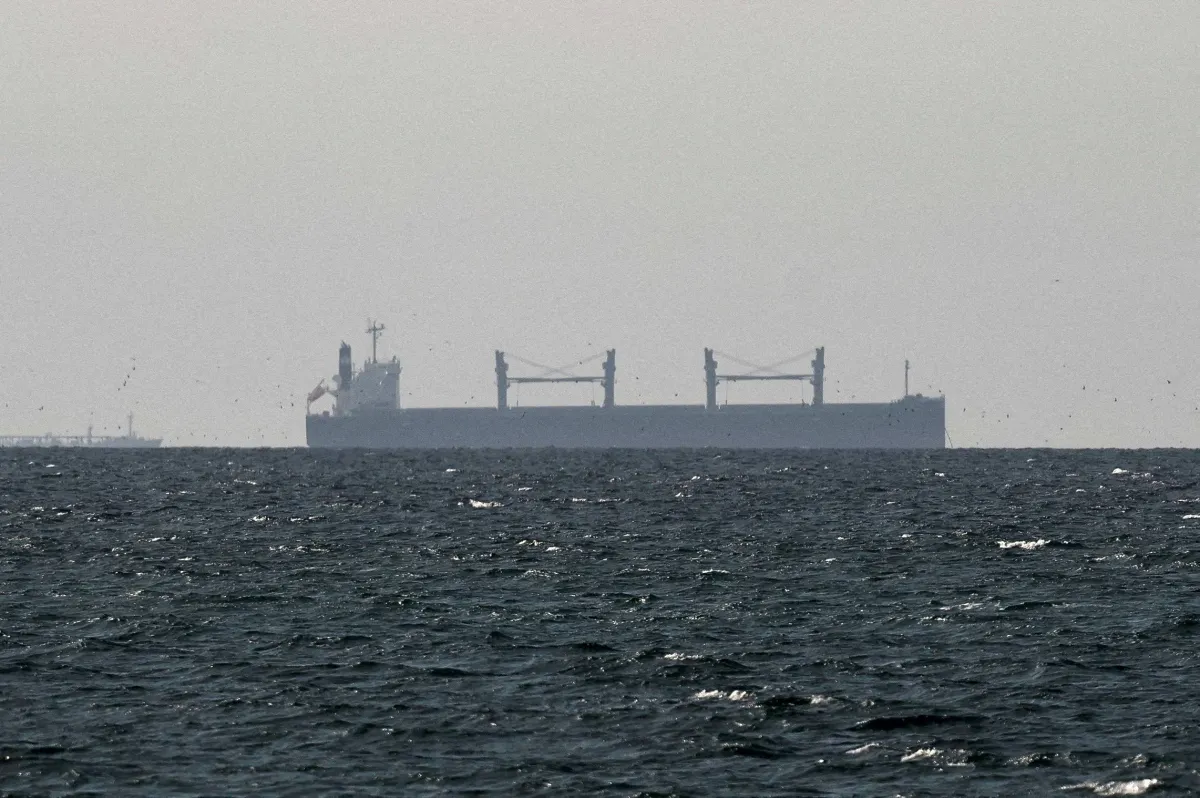
Under mounting pressure from U.S. President Donald Trump, European leaders are facing significant challenges in reopening the Strait of Hormuz, which has been closed by Iran. The virtual meeting that brought together officials from 40 countries this week did not yield a clear plan, reflecting the complexities of the security and economic situation in the region.
During the meeting, the Italian Foreign Minister proposed the creation of a "humanitarian corridor" to allow safe passage of fertilizers and essential goods to poorer countries, but this proposal did not gain support from the participants. Instead, the meeting concluded without any tangible steps to reopen the strait, whether through military means or otherwise.
Details of the Meeting
This impasse comes at a time when European leaders are under increasing pressure from Trump to deploy military assets in the region. Nevertheless, they are hesitant to send warships and are instead focusing on discussions about how to reopen the vital corridor after the war ends. This hesitation reflects the slow mechanisms of European diplomacy and the difficulty of reaching consensus among the involved countries, including those in the Gulf.
Countries like Italy and Germany are seeking a mandate from the United Nations for any international action, complicating the situation further. Military leaders are scheduled to discuss this issue next week, but the proposed options do not seem promising.
Background & Context
The Strait of Hormuz is one of the most important maritime passages in the world, through which approximately 20% of the world's oil passes. Therefore, any closure could lead to serious economic repercussions globally. Currently, signs of shortages in some essential goods are emerging in certain areas, raising concerns about high inflation and economic slowdown.
In this context, French officials have suggested escorting commercial ships through the strait after the war, while the United States is urging countries to escort their flagged vessels. However, these options are costly and may not be sufficient to deter any potential Iranian attacks.
Impact & Consequences
The continued closure of the strait threatens a global economic disaster, as many countries rely on this corridor for fuel and essential goods transport. Experts have warned that rising prices could lead to stagflation, hindering the expected economic growth.
In this context, Hans König, a director at Aurora Energy Research in Berlin, stated that "the biggest threat right now is stagflation... rising prices are choking the weak growth expected this year." This reflects the growing concern among European countries regarding the implications of the closure on their economies.
Regional Significance
The implications of the closure of the Strait of Hormuz are particularly significant for Arab countries, many of which rely on oil and gas as primary sources of revenue. Any escalation in tensions could lead to negative effects on economic stability in the region, increasing pressures on Arab governments.
In conclusion, the situation in the Strait of Hormuz remains complex, with military, economic, and diplomatic factors intertwining. As pressures continue, European leaders must seek effective solutions to ensure the security of navigation in this vital corridor.