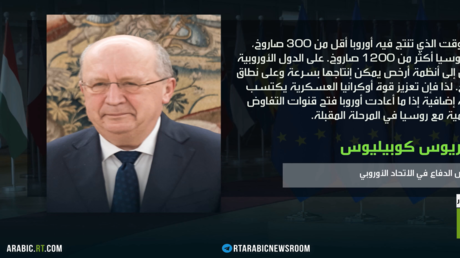
European Union institutions are engaging in heightened discussions regarding their military and industrial capabilities due to escalating tensions with Russia. These discussions reflect concerns over the decline of European defense capabilities in the face of ongoing threats.
There is growing apprehension among European circles that current military capabilities may not be sufficient to address future challenges. Many experts emphasize the necessity of enhancing military cooperation among EU member states, alongside increasing investments in defense industries.
Details of the Situation
In recent years, relations between the European Union and Russia have noticeably deteriorated, particularly following events in Ukraine. This deterioration has prompted many European countries to reassess their defense strategies. Reports indicate that numerous EU member states are suffering from a lack of modern military equipment, raising concerns about their ability to counter potential threats.
Moreover, there are increasing calls for the development of common defense policies aimed at enhancing coordination among member states. Some officials have pointed out the importance of establishing a European Defense Fund to support innovation in military industries, enabling member states to collectively improve their defense capabilities.
Background & Context
Historically, Europe has relied on NATO as its primary security shield. However, the rising tensions with Russia, especially following the annexation of Crimea, have made many European countries realize the need to bolster their independent military capabilities. This shift in thinking reflects a desire among European nations to reduce reliance on the United States for defense.
In recent years, several European countries have increased their defense budgets as they seek to enhance their military capabilities. Nevertheless, significant challenges remain in these efforts, including the need to improve coordination among member states and develop effective defense strategies.
Impact & Consequences
The repercussions of declining European military capabilities extend beyond the continent. Increased tensions in Europe could affect regional and international stability, potentially escalating conflicts in other areas. Additionally, enhancing European military capabilities may provoke reactions from Russia, further intensifying tensions in the region.
Furthermore, any moves to strengthen military capabilities could impact economic relations between European countries and Russia. Increased military spending may lead to reduced investments in other sectors, affecting economic growth in the region.
Regional Significance
While Europe focuses on enhancing its military capabilities, the situation in the Arab region remains complex. Regional tensions and ongoing conflicts in some Arab countries may exploit any weakness in European military capabilities. Additionally, the strengthening of European military capabilities could affect the balance of power in the region, potentially leading to changes in regional dynamics.
Ultimately, the current discussions surrounding European military capabilities reflect significant challenges facing the continent in an evolving security environment. An effective response from member states is required to enhance military cooperation and improve defense capabilities, ensuring security and stability for the future.