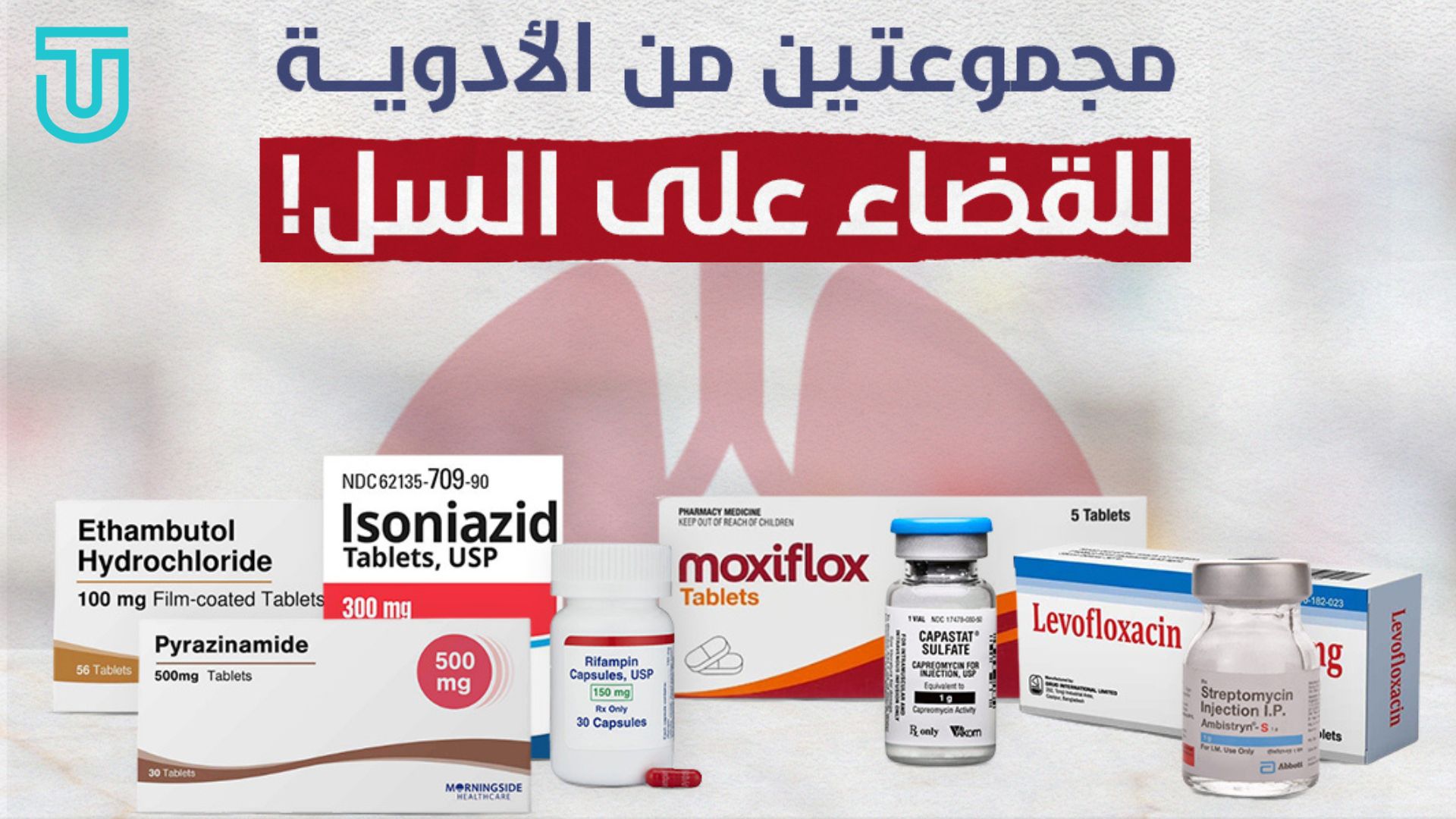
A new report from the World Health Organization and the European Centre for Disease Prevention and Control reveals that tuberculosis remains a public health issue in Europe, with the region lagging in efforts to eliminate it. The report indicates that Europe fails to detect 20% of tuberculosis cases, raising concerns about increasing drug resistance.
The report highlights the challenges faced by European countries in combating tuberculosis, especially with rising rates of drug resistance. This phenomenon requires an urgent response from governments and health authorities to ensure the disease does not spread further.
Event Details
Tuberculosis is an airborne infectious disease that poses a significant threat to public health. Despite efforts to eradicate it, many European countries still face difficulties in achieving elimination goals. According to the report, inadequate case detection leads to disease spread and increased resistance to treatment.
The report also noted that some European countries, such as Germany and France, have made progress in combating tuberculosis, but others still struggle with a lack of resources and awareness about the importance of early detection and effective treatment.
Background & Context
Historically, tuberculosis has represented one of the greatest health challenges globally, leading to millions of deaths over the ages. With the advent of anti-tuberculosis medications, it was expected that the disease would be completely eradicated. However, with the rise of drug resistance, it has become clear that challenges persist.
In recent years, Europe has seen an increase in tuberculosis cases, prompting health organizations to reassess their strategies. Although tuberculosis can be treated and cured, failure to detect cases early leads to disease spread and increased resistance.
Impact & Consequences
The implications of failing to monitor tuberculosis cases extend beyond public health, affecting the economy and the healthcare system as a whole. The spread of tuberculosis can lead to increased healthcare costs and impact the workforce, placing additional strain on already burdened health systems.
Moreover, drug resistance complicates treatment, leading to higher mortality rates. Therefore, the need for effective tuberculosis control strategies has become more urgent than ever.
Regional Significance
In the Arab region, tuberculosis is also a disease that requires special attention. Although infection rates may be lower compared to some other regions, there is an urgent need to enhance screening and treatment programs.
Combating tuberculosis in the Arab world requires international cooperation and knowledge exchange with European countries to address shared challenges. Raising awareness about tuberculosis and the importance of early detection can contribute to reducing infection and mortality rates.
In conclusion, European and Arab countries must work together to tackle this health challenge. Strengthening cooperation and sharing information and expertise will positively impact efforts to eliminate tuberculosis and improve public health.