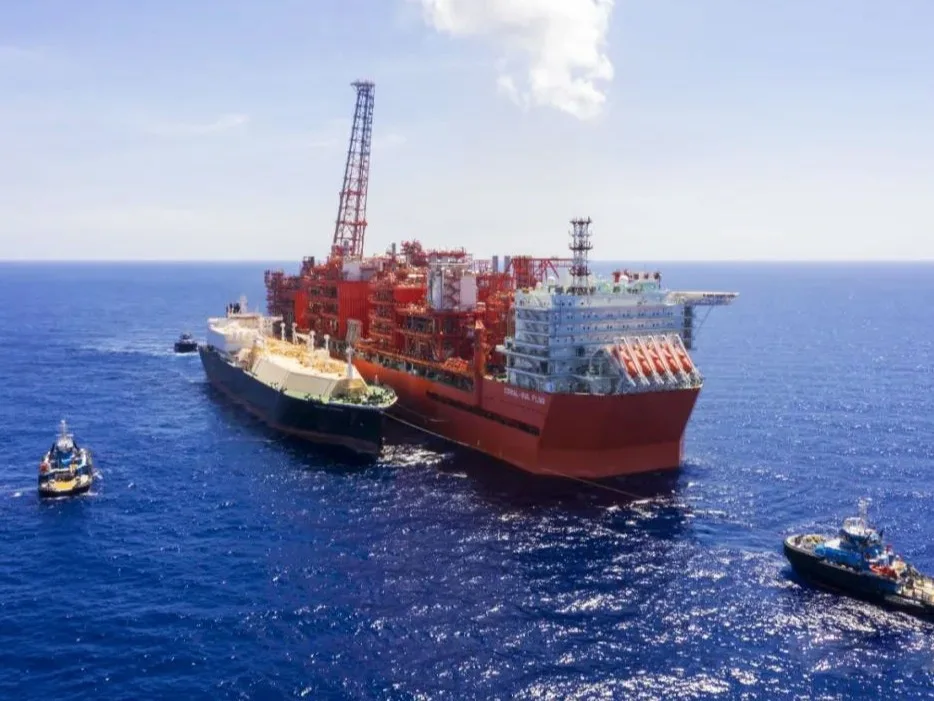
Europe is currently witnessing a notable decline in liquefied natural gas (LNG) shipments, with these supplies being redirected towards the Asian market, which is experiencing a substantial price increase. This shift is occurring in the context of the ongoing war in the Middle East, which directly affects Qatari gas facilities, making it increasingly difficult for Europe to secure supplies.
Countries such as Italy, Poland, and Belgium are striving to find alternatives to meet their gas needs amid fierce competition in the global market. This situation has led to rising gas prices in Europe, threatening market stability and increasing economic pressures on European nations.
Details of the Situation
Qatar is considered one of the largest exporters of liquefied natural gas in the world, playing a pivotal role in meeting global market demands. However, with escalating tensions in the Middle East, Qatari gas facilities are under significant pressure, resulting in reduced quantities of gas available for export. This scenario has prompted many European countries to search for alternative sources, intensifying competition in the market.
Reports indicate that prices in the Asian market have surged significantly, making it a more attractive destination for gas exporters. In this context, European countries are attempting to secure their gas supplies by negotiating with other nations such as the United States and Russia, but challenges remain.
Background & Context
Historically, Europe has heavily relied on imported natural gas from Qatar and Russia. However, recent geopolitical events, including the war in Ukraine and tensions in the Middle East, have led to a reassessment of energy strategies in many European nations. These countries are now seeking to reduce their dependence on traditional energy sources and explore sustainable alternatives.
The current energy crisis presents an opportunity for countries like the United States to boost their LNG exports to Europe, which could alter global market dynamics. Nonetheless, logistical and environmental challenges remain obstacles to achieving this goal.
Impact & Consequences
These developments are expected to lead to increased gas prices in Europe, which may impact the European economy as a whole. Rising prices could result in higher living costs, placing additional pressure on European governments striving to maintain economic and social stability.
Furthermore, the loss of gas shipments to Asia could shift the balance of power in the global energy market, potentially escalating tensions between exporting and importing countries. This situation may pave the way for new conflicts in the near future.
Regional Significance
For Arab countries, these developments may open new avenues in the natural gas market. Nations like Qatar could benefit from rising prices in the Asian market, enhancing their status as a key gas supplier. However, political tensions in the region could affect supply stability.
Ultimately, the question remains regarding how these changes will impact economic and political relations between Arab nations and European countries. It is evident that there is an urgent need to rethink energy strategies and foster cooperation among nations to ensure energy security in the future.