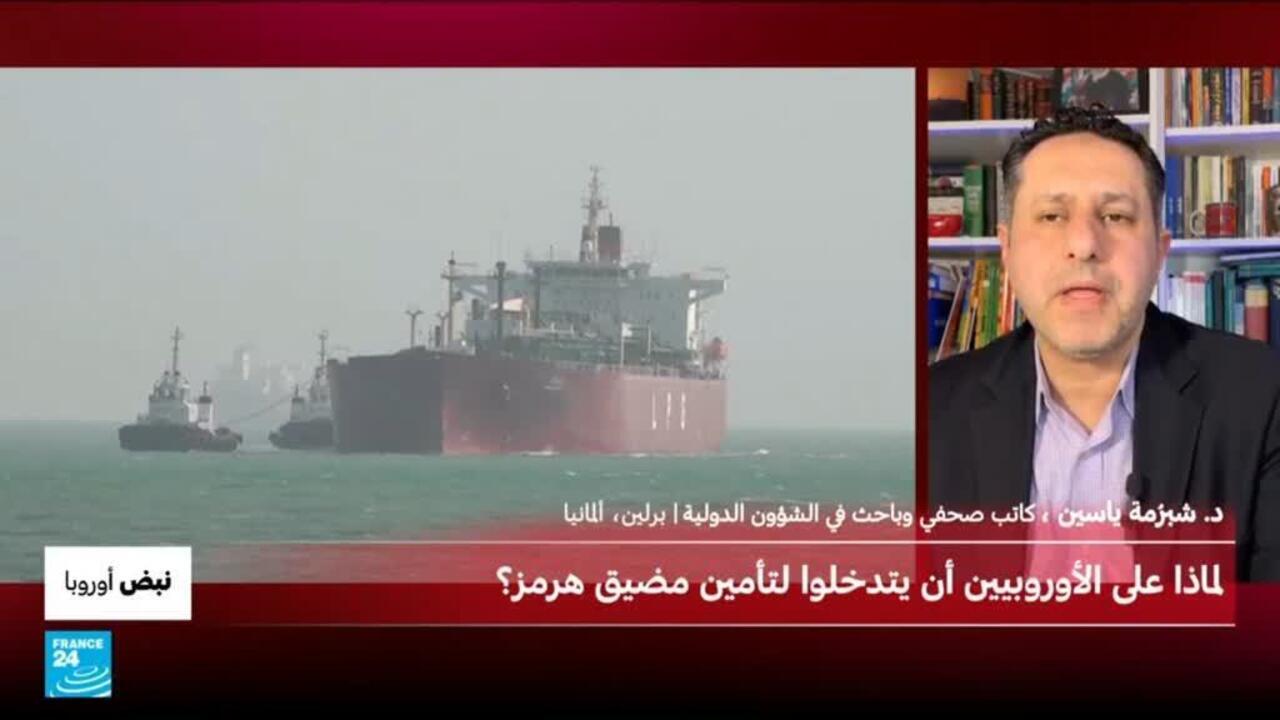
Pressure is mounting on European countries to adopt effective strategies regarding the Hormuz Strait, a vital artery for global oil trade. Amid growing social crises and significant reliance on Russian energy, it appears that the time for urgent action has arrived.
Europe is one of the largest consumers of oil and natural gas, importing a substantial portion of its needs from Russia. With escalating geopolitical tensions, it has become essential for European nations to seek alternatives to secure energy supplies and lessen their dependence on Moscow.
Details of the Situation
Reports indicate that the Hormuz Strait, through which approximately 20% of global oil supplies pass, has become a focal point for European countries. Previous crises, such as the conflict in Ukraine, have demonstrated how geopolitical tensions can impact energy markets.
In this context, many experts have called for enhanced cooperation among European nations in the energy sector, including investments in renewable energy sources and the development of necessary infrastructure to reduce reliance on fossil fuels.
Background & Context
Historically, the Hormuz Strait has been a strategic area for decades, witnessing numerous conflicts and disputes. As the importance of energy in the global economy has increased, controlling this vital corridor has become significantly important.
In recent years, tensions in the region have escalated, leading to heightened risks associated with energy supplies. These tensions have directly affected oil prices, putting European countries in a precarious position.
Impact & Consequences
If European nations do not act urgently, they may face serious economic and social repercussions. Recurring crises in energy supplies could lead to rising prices, affecting citizens' lives and increasing social pressures.
Furthermore, continued reliance on Russia could grant it greater influence on the international stage, potentially threatening stability in Europe. Therefore, swift action towards securing alternative energy sources is crucial.
Regional Significance
Arab countries, particularly those located along the Gulf, find themselves in an interesting position. With increasing demand for energy, these nations could benefit from heightened European investments in the energy sector.
Moreover, strengthening cooperation between Arab countries and Europe in the energy field could contribute to regional stability, benefiting all parties involved.
In conclusion, the current situation requires urgent action from European countries to ensure energy security and reduce dependence on Russia. Capitalizing on available opportunities in the Arab region may be a strategic step towards achieving this goal.