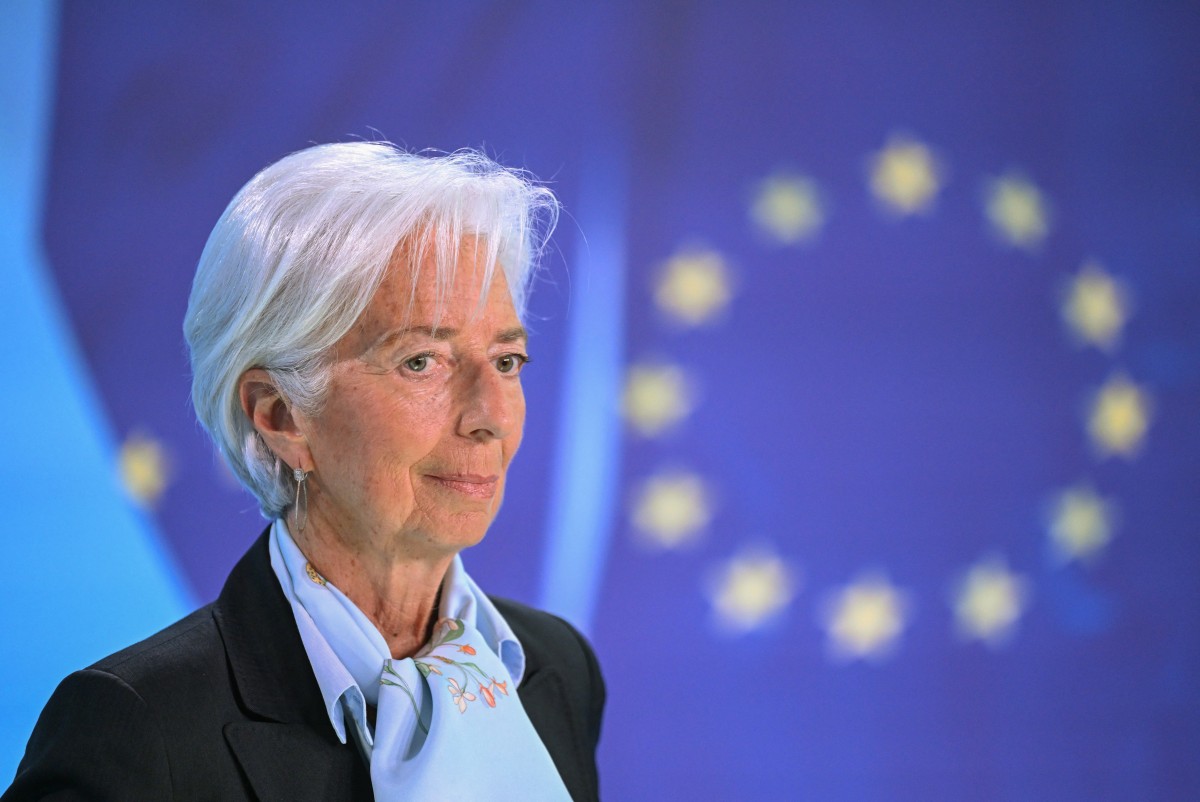
Amid the volatile economic conditions in the Eurozone, Luis de Guindos, Vice President of the European Central Bank, confirmed that the bank is closely monitoring the economic impacts resulting from the war in Iran. He explained that the European Central Bank is committed to achieving price stability, which is a fundamental goal within its monetary policy.
De Guindos's statements come at a sensitive time, as concerns grow about the ongoing conflict in Iran affecting the global economy, particularly energy markets and prices in the Eurozone. He indicated that the European Central Bank is taking all necessary measures to address any negative repercussions that may arise from these events.
Details of the Situation
The war in Iran has been ongoing for several months, leading to heightened tensions in the region. These circumstances have impacted oil and gas prices, which directly reflect on inflation rates in European countries. In this context, De Guindos affirmed that the European Central Bank is closely monitoring market developments and assessing potential impacts on the European economy.
He also noted that the European Central Bank may take additional measures if inflationary pressures persist, as price stability remains one of the bank's main priorities. The bank aims to achieve an inflation rate close to 2%, a target it seeks to meet under the current conditions.
Background & Context
Historically, the Eurozone has faced numerous economic crises that have affected price stability. Since the establishment of the European Central Bank in 1998, its primary goal has been to maintain price stability in the region. With the outbreak of the COVID-19 pandemic, the bank faced new challenges, implementing various unconventional monetary measures to support the economy.
The war in Iran presents a new challenge for the European Central Bank, as regional conflicts often impact commodity prices, leading to increased inflationary pressures. The European Central Bank has played a significant role in responding to these challenges by providing financial support and effective monetary policies.
Impact & Consequences
Concerns are rising that the war in Iran could exacerbate economic crises in Europe, especially with rising energy prices. These conditions may affect citizens' purchasing power, potentially leading to a decline in consumption and consequently a negative impact on economic growth.
If inflationary pressures continue, the European Central Bank may be forced to raise interest rates, which could affect investments and borrowing. This situation poses a significant challenge for the bank, as it seeks to balance supporting economic growth while maintaining price stability.
Regional Significance
The war in Iran is a sensitive issue for the Arab region, as any escalation in the conflict could impact regional stability. Additionally, rising oil prices due to the conflict may have direct effects on the economies of Arab countries, which heavily rely on oil revenues.
Moreover, tensions in Iran could lead to increased political tensions in the region, affecting relations between Arab countries and Iran. Therefore, the situation requires careful monitoring by decision-makers in Arab countries to ensure the stability of their economies.
In conclusion, the European Central Bank remains committed to achieving price stability despite the significant challenges it faces. As the war in Iran continues, its economic impacts will remain under close observation, as the bank seeks to take necessary measures to ensure the stability of the European economy.