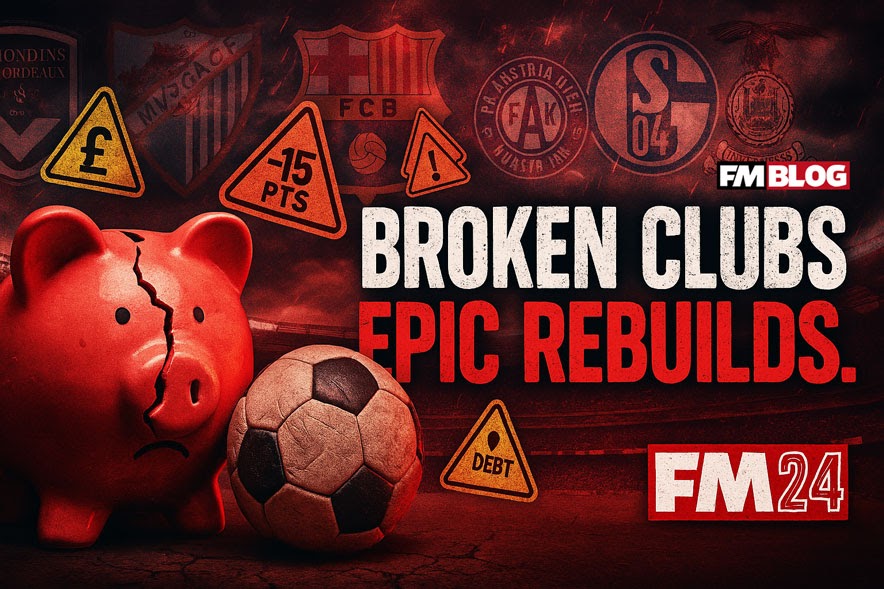
The largest European clubs are facing unprecedented challenges due to financial and administrative errors that have led to a deterioration of their image in the sports arena. These crises have not only affected athletic performance but have also impacted the financial and administrative aspects that are the backbone of any successful club.
Reports indicate that some major clubs, once considered shining names in the football world, are suffering from significant financial deficits due to mismanagement and poor planning. These crises come at a sensitive time as pressure from fans and investors increases on clubs to improve their performance.
Details of the Crisis
In recent years, major European clubs such as Barcelona, Juventus, and Manchester United have faced severe financial crises. For instance, Barcelona announced a financial deficit exceeding 300 million euros, prompting it to implement strict austerity measures. Meanwhile, Juventus is facing investigations related to financial fraud, which could have dire consequences for its future.
Administrative errors also include unsuccessful contractual decisions, where clubs have invested substantial amounts in players who failed to deliver the expected performance. These ill-considered investments have exacerbated financial crises, putting clubs in a difficult position before their fans.
Background & Context
Historically, European clubs relied on match revenues, television broadcasting rights, and sponsorships. However, the COVID-19 pandemic significantly impacted these revenues, intensifying financial crises. Clubs that were unprepared to face these challenges found themselves in a major predicament.
The intense competition among European clubs has also led to increased financial pressures, as clubs strive to deliver the best performance by attracting top players, which raises costs. This dynamic places clubs in a tough position, as they must balance financial and athletic performance.
Impact & Consequences
The repercussions of these crises extend beyond financial dimensions, affecting the reputation of clubs in the global market. Clubs that were once considered symbols of success are now facing widespread criticism from fans and media alike.
These crises may also lead to changes in the administrative structure of clubs, as some may be forced to change their management or even their coaches in an attempt to regain trust and improve performance. Such changes could have long-term effects on the future strategies of the clubs.
Regional Significance
European clubs are a focal point for Arab fans, many of whom closely follow European league matches and support their favorite teams. The current crises may affect clubs' investments in the region, as some may hesitate to expand their partnerships or investments in the Arab world.
Moreover, these crises could impact the fans of Arab clubs that support European teams, as they may feel disappointed due to the declining performance of the clubs they love. This could lead to a decrease in interest in European matches in the region.
In conclusion, the financial and administrative errors plaguing European clubs pose a significant challenge not only to these clubs but also to football fans worldwide. It requires new strategies and effective management to overcome these crises and restore trust.