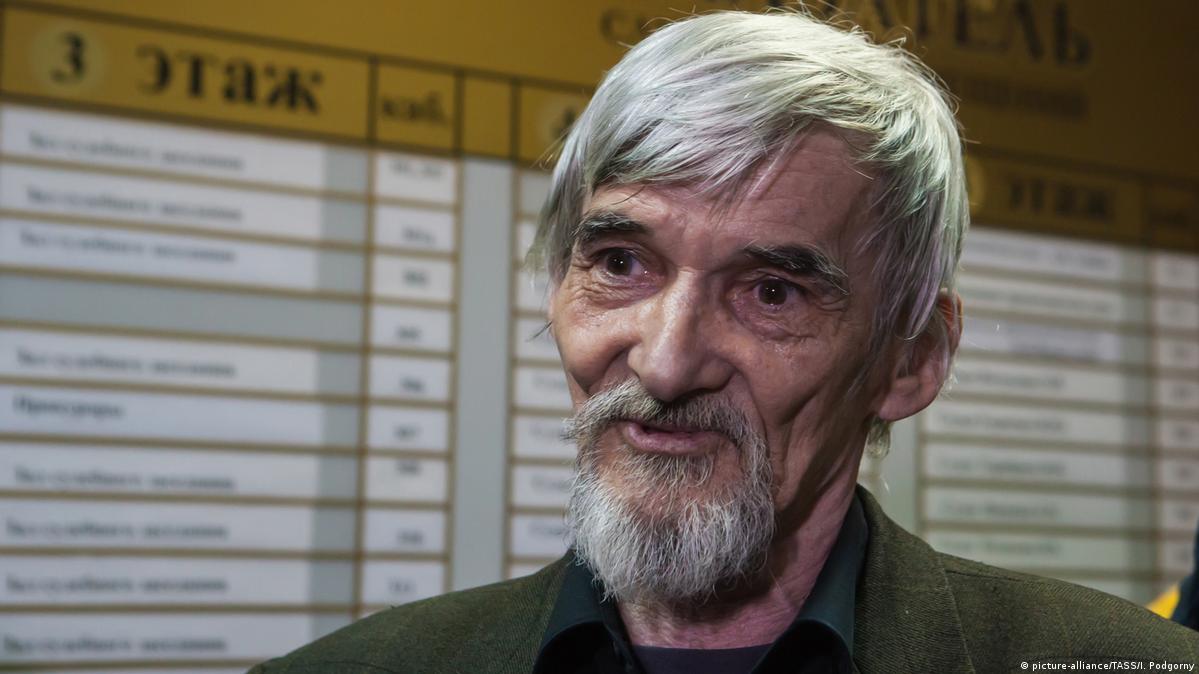
The European Court of Human Rights has issued a ruling condemning Russia for the detention of historian Yuri Dmitriev, who is recognized as one of the foremost experts in studying the crimes of the Stalinist regime. Dmitriev, who is 70 years old, is serving a sentence in a prison in Mordovia and is regarded as one of the oldest political prisoners in the country, raising international concern regarding human rights in Russia.
This ruling comes at a time when pressure is mounting on the Russian government due to human rights violations, particularly against political opponents and intellectuals. Dmitriev is known for his research on Soviet labor camps, and his work has significantly contributed to documenting the dark history of Stalinism.
Details of the Case
Yuri Dmitriev has been detained since 2016, facing charges related to sexual assault, which are viewed as politically motivated. His case has garnered widespread attention from human rights organizations, which argue that these accusations aim to silence his voice and curb his efforts to document historical crimes.
The European Court of Human Rights affirmed in its ruling that Dmitriev's prolonged detention without a fair trial constitutes a violation of his fundamental rights. The court also called on Russia to take immediate action for his release, reflecting the growing concern over the state of human rights in the country.
Background & Context
Historically, Russia has witnessed numerous human rights violations, especially during the rule of Joseph Stalin, which resulted in the deaths of millions. Historians like Dmitriev are considered guardians of the memory of victims, striving to document the tragic events that the country has experienced.
Currently, Russia is attempting to enhance its international image; however, the continued detention of Dmitriev highlights the contradiction between official rhetoric and reality. His case also sheds light on the challenges faced by activists in the country, who are striving to defend human rights and fundamental freedoms.
Impact & Consequences
This case could lead to increased international pressure on Russia, as calls from Western governments and human rights organizations for Dmitriev's release grow louder. Such pressures may affect Russia's relations with Western countries, especially amid current tensions over other issues like the Ukrainian conflict.
Furthermore, Dmitriev's case may encourage more activists and intellectuals to speak out against violations in Russia, potentially leading to greater mobilization within civil society. At the same time, the Russian government may take more stringent measures against dissenters, increasing anxiety among citizens.
Regional Significance
The case of Yuri Dmitriev illustrates the importance of human rights worldwide, including in Arab countries. Given the challenges many Arab nations face regarding human rights, this case could serve as a model for activists in the region.
Moreover, international engagement with human rights issues in Russia may inspire similar movements in the Arab world, where citizens seek justice and equality. Promoting human rights and fundamental freedoms is considered an essential part of any developmental process in the region.