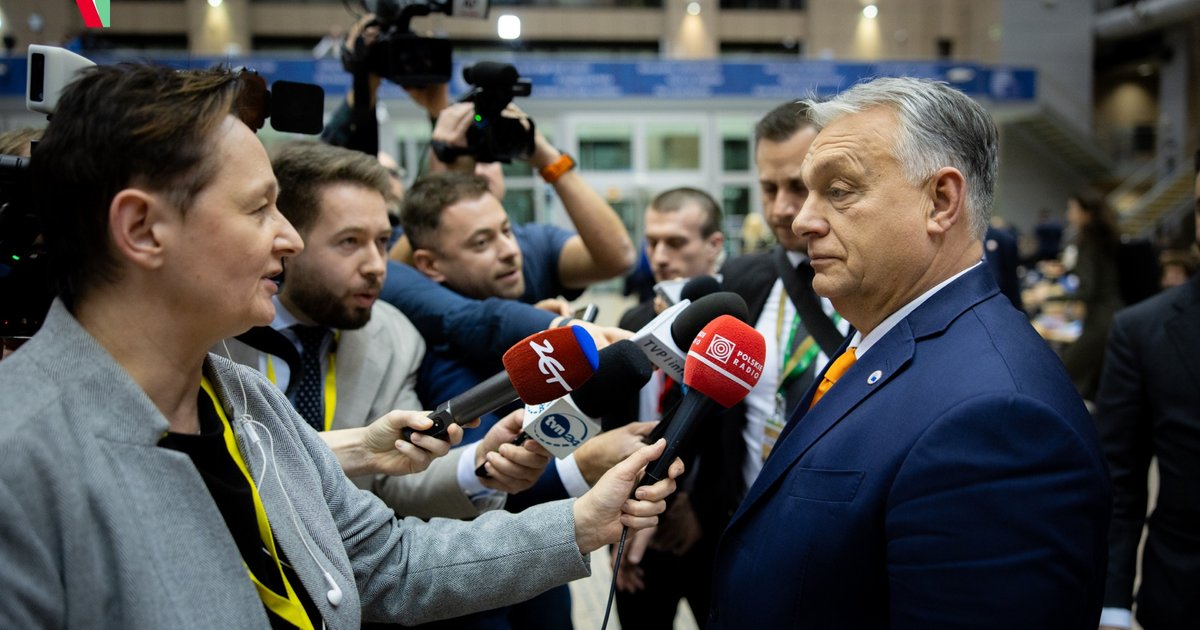
Hungary is preparing for a crucial election, with Prime Minister Viktor Orbán receiving strong support from the European far-right. This election comes at a sensitive time as Orbán tests his political brand amid internal and external challenges. The elections are scheduled to take place later this year, raising questions about the future of Hungarian politics and its impact on Europe.
In recent years, Orbán has become a symbol of far-right policies in Europe, taking a hard stance on immigration and the European Union. This approach has sparked widespread controversy, with some viewing it as a threat to democratic values, while others see it as a defense of national identity.
Event Details
As the elections approach, pressure is mounting on Orbán as he seeks to bolster his support base through alliances with far-right parties in Europe. Several prominent figures from these parties have expressed their support for Orbán, reflecting an increasing cooperation among right-wing forces on the continent. For instance, leaders from countries like Italy and Poland have emphasized the importance of preserving traditional values in the face of modern challenges.
Orbán also faces internal challenges, as criticisms from the opposition grow, accusing him of authoritarianism and restricting freedoms. Nevertheless, he still enjoys significant popularity among large segments of Hungarian society, making him a strong candidate in the upcoming elections.
Background & Context
Historically, Hungary has undergone significant political transformations since the fall of the communist regime in the early 1990s. With Orbán's rise to power in 2010, policies aimed at enhancing national identity and reducing reliance on the European Union were implemented. This approach has drawn criticism from many international observers, who argue that such policies could lead to an erosion of democracy.
Orbán's ascent coincided with a rise in nationalist sentiments across Europe, where many countries have witnessed the emergence of far-right parties. This trend reflects growing concerns over immigration and cultural changes, making the Hungarian elections a focal point for many observers.
Impact & Consequences
If Orbán manages to win the upcoming elections, it could strengthen his position in Europe and increase the power of the far-right on the continent. This scenario may raise concerns among other European nations, which fear the implications of such policies on the stability of the European Union. Additionally, Orbán's victory could encourage right-wing parties in other countries to adopt similar approaches, further deepening divisions within the continent.
Moreover, Orbán's win could affect Hungary's relations with the European Union, as tensions may escalate over issues such as human rights and the rule of law. This tension could impact the financial aid Hungary receives from the EU, complicating the country's economic situation.
Regional Significance
The Hungarian elections are significant not only for Europe but also for the Arab region. The rise of the far-right in Europe could influence policies regarding immigration and asylum, which are sensitive issues for many Arab countries suffering from conflicts. Furthermore, political transformations in Europe may affect economic and political relations between Arab states and European countries.
In conclusion, the Hungarian elections remain a point of great interest, as they will determine the future of politics in the country and its impact on Europe. The far-right's support for Orbán could have far-reaching implications, necessitating close monitoring by international observers.