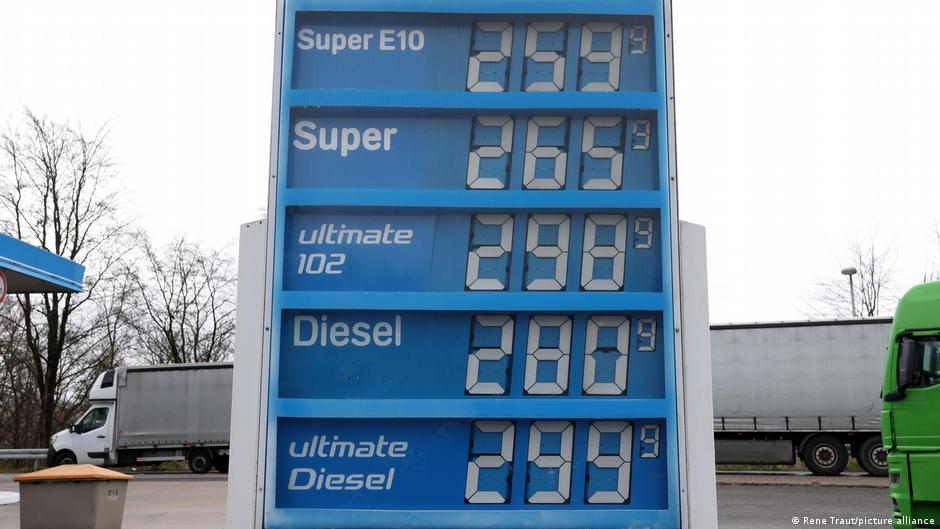
In a move reflecting growing concern over rising energy prices, finance ministers from several European countries, including Germany, Austria, Italy, Portugal, and Spain, have called for the imposition of a tax on the extraordinary profits generated by energy companies. This call comes amid soaring oil and gas prices, exacerbated by the war in Iran and the closure of the Strait of Hormuz, negatively impacting consumers throughout Europe.
The finance ministers stated in a letter addressed to the European Climate Commissioner, Wopke Hoekstra, that this tax would help alleviate the financial burdens on citizens who are struggling with rising fuel costs. Diesel prices in Germany have reached new record levels, with the average price per liter hitting €2.391 (approximately $2.75) at the end of last week, raising concerns among consumers.
Details of the Proposal
This call for a tax comes at a sensitive time, as fuel prices have surged significantly since the onset of the conflict in Iran, which has led to the closure of the Strait of Hormuz, a vital corridor for oil transport. The ministers pointed out that imposing a tax on extraordinary profits would provide an effective means to finance temporary support for consumers without placing additional burdens on public budgets.
The ministers also noted that the tax would reflect the solidarity of European nations and their ability to take effective action in response to crises. Similar measures were taken in 2022 during the energy crisis that arose following the Russian invasion of Ukraine, which included taxing the extraordinary profits of energy companies.
Background & Context
Historically, Europe has faced recurring energy crises, but the current crisis is distinct due to the impact of the conflict in Iran and its effects on global energy markets. Although the European Union has expanded its renewable energy capabilities, it still heavily relies on imported fossil fuels, making it vulnerable to fluctuations in global prices.
In recent years, there have been multiple attempts by European countries to reduce dependence on Russian fuel, but prices remain high due to geopolitical disruptions. The European Commissioner for Energy, Dan Jørgensen, indicated that the EU is considering similar measures again to address these challenges.
Impact & Consequences
Imposing a tax on extraordinary profits could have significant implications for energy companies, potentially leading to reduced dividends for shareholders. However, this step may help alleviate financial pressures on consumers, which could stabilize prices in the long term.
Furthermore, this move may encourage other countries to take similar actions, potentially leading to changes in how energy markets are regulated globally. The EU's response to this crisis may shape how it handles future energy crises.
Regional Significance
The Arab region, particularly the Gulf states, is among the largest producers of oil and gas in the world. Therefore, rising energy prices could lead to increased revenues for these countries, but at the same time, it may increase pressure on consumers in energy-importing nations. Any changes in European energy policies could also affect the demand for oil and gas from the region.
In conclusion, the call by European finance ministers for a tax on extraordinary profits represents an important step in addressing the current challenges in energy markets. These measures could help ease the burden on consumers, but they may also lead to significant changes in how energy companies operate in the future.