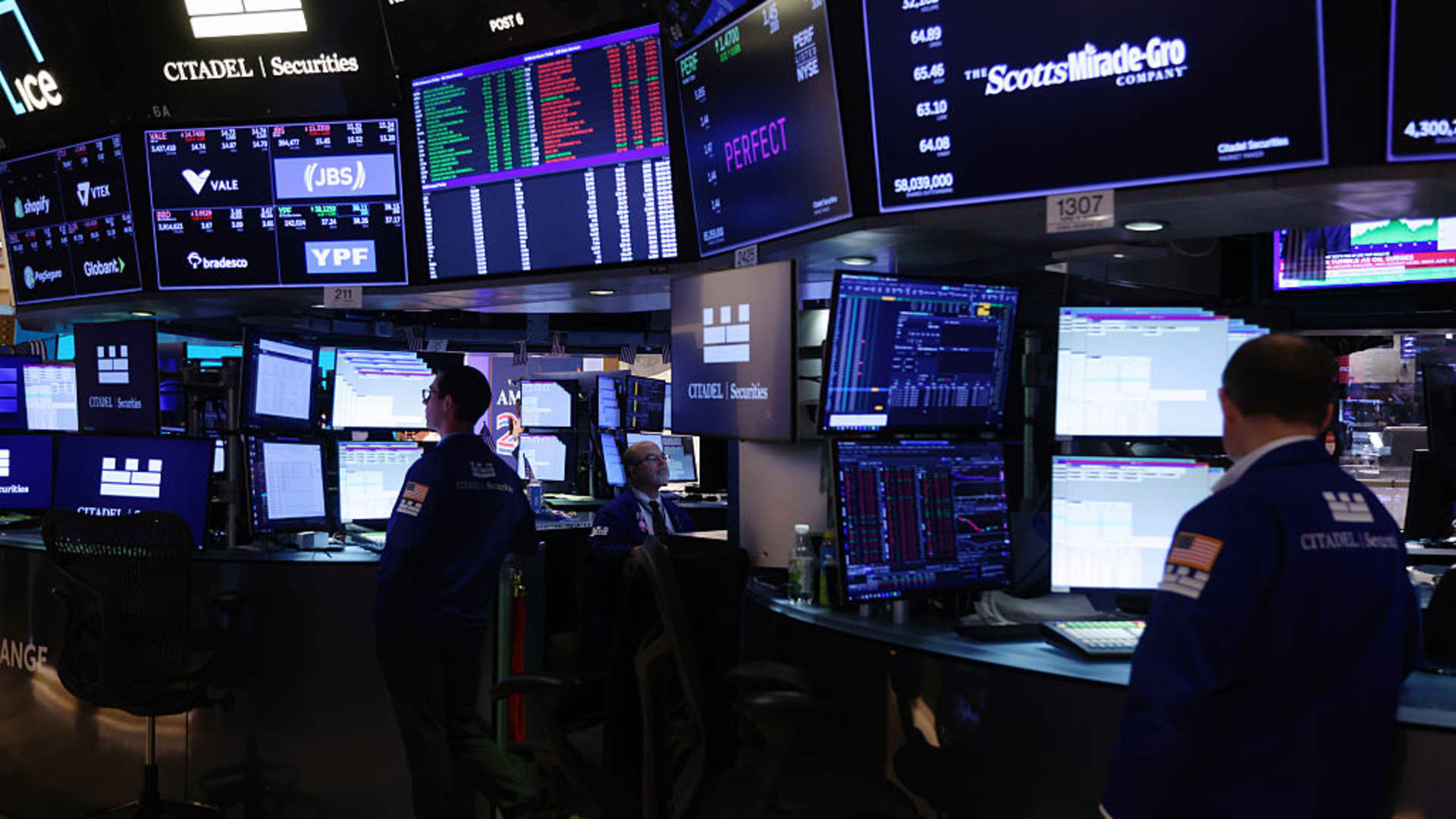
European stock markets are set to open lower on Monday as investors face a new escalation in the Iranian war, which has entered its fifth week with no signs of ending. The FTSE 100 index in the UK is expected to decline by 0.2%, while the DAX index in Germany is projected to fall by 0.6%, the CAC 40 in France by 0.4%, and the FTSE MIB in Italy by the same percentage.
These forecasts come at a time when Asian and Pacific markets experienced negative trading overnight, reflecting growing anxiety among traders regarding developments in the war. U.S. President Donald Trump hinted at potential actions to control Iranian oil, including the seizure of the Iranian oil export center on Kharq Island.
Details of the Event
In another development, the Ansar Allah movement (Houthis) announced on Saturday that they had launched missiles at Israel, marking their first direct intervention in the U.S.-led conflict against Iran. According to Houthi spokesperson Yahya Saree, the attack targeted sensitive Israeli military sites, demonstrating their support for Iran and Hezbollah forces in Lebanon.
This escalation follows a series of airstrikes carried out by the U.S. and Israel on Iranian targets since February 28, leading to heightened tensions in the region. In related news, oil prices rose in early Asian trading, with West Texas Intermediate crude contracts increasing by 2.58% to reach $102.19 per barrel.
Background & Context
Historically, the Middle East has witnessed numerous conflicts that have had profound impacts on the global economy, particularly in the energy sector. Since the onset of the Iranian conflict, there have been increasing concerns regarding the stability of oil markets, as Iran is one of the largest oil-producing countries in the world. U.S. sanctions imposed on Iran have curtailed its oil exports, affecting global prices.
The military escalation in the region recalls past conflicts such as the Iran-Iraq War, which lasted eight years and significantly impacted the global economy. With current tensions on the rise, analysts expect oil prices to increase further, which could affect global economies.
Impact & Consequences
Concerns are growing that the continuation of the war in Iran may exacerbate economic crises in Europe, where many countries rely on oil imports from the Middle East. Should the escalation persist, we may witness a further rise in energy prices, impacting inflation and economic growth in European nations.
The virtual meeting of finance ministers, energy ministers, and central bank governors from the G7 today reflects the increasing concern regarding the situation. This is the fourth meeting of the group since the war began, underscoring the significance of the situation and its impact on the global economy.
Regional Significance
For the Arab world, the escalation of the conflict in Iran has direct implications for security and stability in the region. Regional conflicts may lead to increased tensions between Arab states and Iran, negatively affecting economic and political relations. Additionally, military interventions by the Houthis may escalate the conflict in Yemen, complicating the regional situation further.
In conclusion, it appears that the war in Iran will continue to impact global markets, prompting Arab nations to take proactive measures to address the repercussions of these crises.