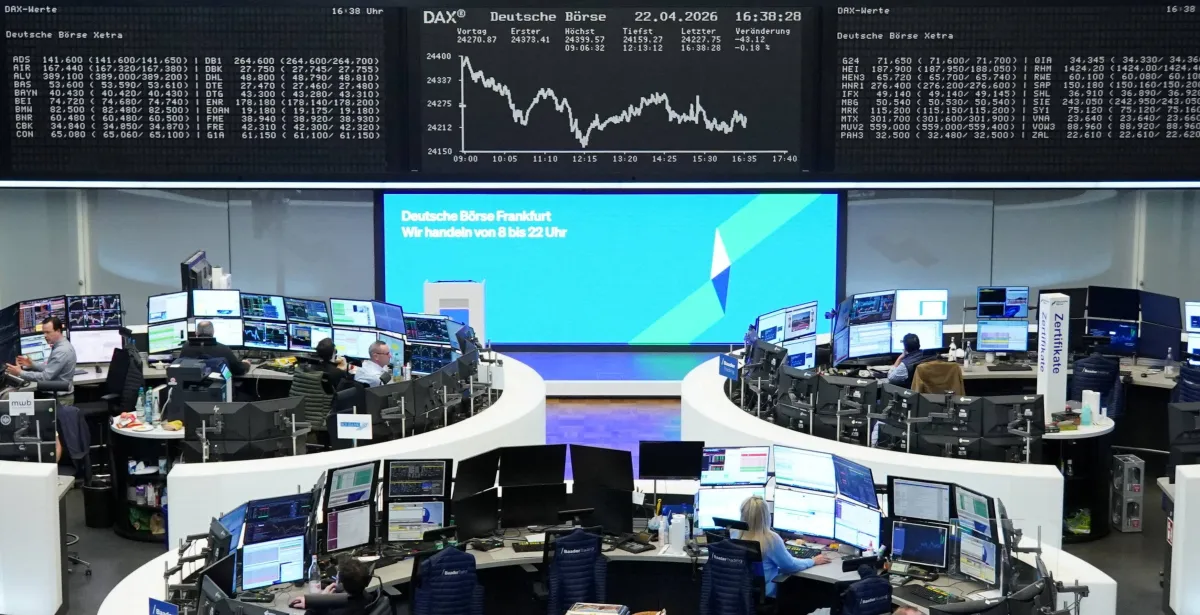
European stocks experienced a slight decline on Tuesday as markets remained cautious ahead of a busy week filled with central bank meetings and corporate earnings announcements. This comes amid ongoing diplomatic stalemate in negotiations between the United States and Iran.
The level of caution among investors increased following signals from U.S. officials indicating President Donald Trump’s dissatisfaction with Iran's latest proposal to end the two-month-long conflict. The Iranian proposal suggests postponing discussions on the nuclear program until after the conflict is resolved and maritime disputes are settled, which has heightened anxiety in the markets.
Market Overview
The European Stoxx 600 index fell by 0.3%, reaching 606.94 points by 07:04 GMT. The repercussions of the war in the region cast a shadow over global markets, contributing to rising oil prices and renewed concerns about inflation and global growth, amidst the continued closure of the vital Strait of Hormuz.
Despite a recovery in Wall Street and several global markets from a sharp sell-off experienced in March, European stocks, particularly those linked to the energy sector, remain below their levels recorded before the outbreak of the war. On the corporate front, shares of BP rose by 2.3% after the company announced quarterly profits that exceeded expectations, while shares of Novartis fell by 4.5% due to reporting core operating profits and quarterly sales below market estimates.
Background & Context
These developments coincide with most Gulf stock markets rising during early trading, supported by corporate earnings announcements. However, investors remained cautious due to ongoing geopolitical tensions. An official reported that the U.S. president is dissatisfied with the Iranian proposal, which undermines hopes for a breakthrough in the war that has disrupted energy supplies and increased inflation rates.
In Saudi Arabia, the main index rose by 0.4%, with shares of Al Rajhi Bank climbing by 1.3%, and shares of Aramco increasing by 0.5%. In Dubai, the main index rose by 0.1%, supported by a 0.6% increase in shares of Dubai Islamic Bank, while shares of Air Arabia fell by 0.7%.
Impact & Consequences
British government bond yields for 30 years continue to decline, extending losses from the previous session, approaching their highest level in nearly eight months. Yields rose by 7.6 basis points on Monday before climbing by an additional 3 basis points, reaching 5.692% by 07:08 GMT.
Financial markets expect a less than 15% chance that the Bank of England will raise interest rates to 4% from 3.75% during its meeting on Thursday, but anticipate further increases in the coming months due to inflationary pressures linked to the war in Iran.
Regional Significance
These developments are particularly significant for the Arab region, as geopolitical tensions contribute to affecting oil markets and commodity prices. The ongoing war in the Middle East negatively impacts economic stability in Arab countries, increasing concerns about inflation and economic growth.
In conclusion, markets remain under pressure from political and economic tensions, keeping investors in a state of cautious anticipation, as corporate earnings results and central bank meetings are expected to significantly influence market movements in the coming days.