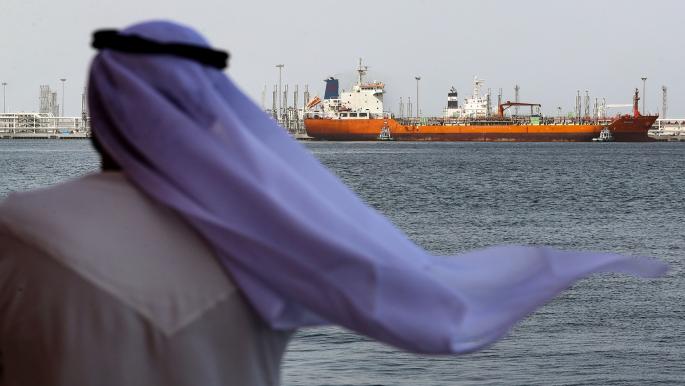
Abu Dhabi National Oil Company (ADNOC) has announced the possibility of receiving oil shipments from outside the Hormuz Strait. The company confirmed to several clients with long-term contracts that they can receive shipments from a new location off the coast of Fujairah. This decision comes at a sensitive time, as the Hormuz Strait is witnessing increasing tensions, raising concerns about the security of oil supplies in the region.
This move represents a strategic shift in the UAE's oil policy, as ADNOC aims to enhance the flexibility of its operations and provide alternative options for its clients. This announcement is part of the ongoing efforts by the UAE to secure oil supplies amid changing geopolitical conditions.
Details of the New Contracts
The new contracts that ADNOC has concluded with its clients allow for the receipt of shipments from multiple locations, enabling them to avoid the risks associated with the Hormuz Strait. This strait is one of the most important maritime passages in the world, through which approximately 20% of the total global oil supplies pass. Therefore, any tension in this area can significantly impact global oil prices.
Through this decision, ADNOC seeks to reduce reliance on the Hormuz Strait while continuing to develop its infrastructure in Fujairah, which is considered a strategic point for oil storage and distribution. This approach reflects the UAE's vision to enhance its competitiveness in the global market.
Background & Context
Historically, the Hormuz Strait has witnessed numerous political and military crises, leading to increased concerns about the security of oil supplies. In recent years, tensions between Iran and the United States have escalated, affecting navigation in the region. In this context, the UAE aims to mitigate risks by diversifying oil transportation routes.
Fujairah is one of the most prominent ports in the UAE, benefiting from a strategic location that allows it to serve Asian and European markets. This location makes it an ideal choice for receiving oil shipments, further enhancing the UAE's role as a major oil trading hub in the region.
Impact & Consequences
This decision is expected to have a positive impact on the oil market, as it could contribute to stabilizing prices by reducing risks associated with the strait. Additionally, enhancing transportation options may attract more investments to the UAE's oil sector.
Moreover, this shift could strengthen trade relations between the UAE and other countries, contributing to an increase in trade and oil exchange volumes in the region. This development may positively reflect on the UAE economy and bolster its position as a global energy hub.
Regional Significance
The significance of this decision lies in its strategic nature to enhance energy security in the region, reducing reliance on traditional transportation routes. By diversifying oil supply options, the UAE is positioning itself as a resilient player in the global energy market.
In conclusion, ADNOC's initiative to allow oil shipments from outside the Hormuz Strait not only addresses immediate concerns regarding supply security but also aligns with the UAE's long-term vision of becoming a leading energy provider in a rapidly changing geopolitical landscape.