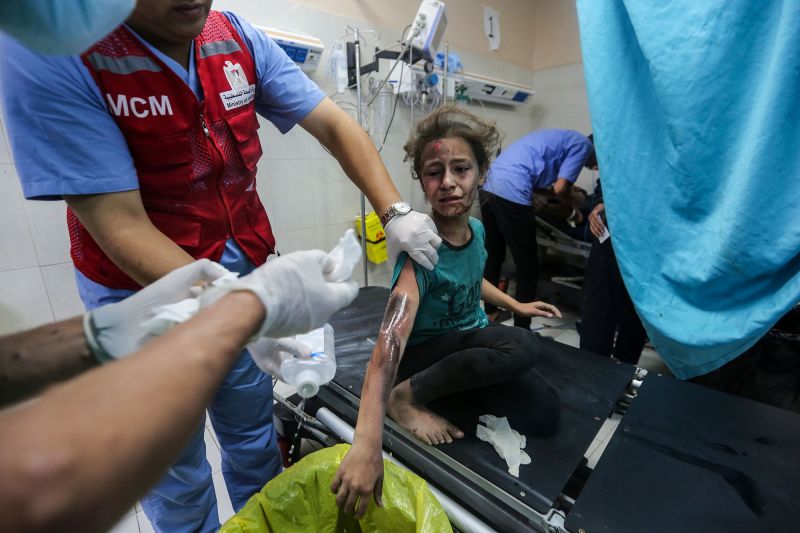
The armed forces announced the evacuation of the 27th batch of sick children from the Gaza Strip, transferring them to foreign hospitals for necessary treatment. This step is part of the continuous humanitarian efforts made by the armed forces to provide medical support to children suffering from severe health conditions due to the current situation in the region.
This batch included several children in need of specialized medical care, who were prepared for transfer through the Rafah crossing to hospitals in neighboring countries. This initiative reflects the commitment of the armed forces to provide the necessary healthcare for children suffering from chronic or acute illnesses.
Details of the Evacuation
The evacuation process was conducted under full medical supervision, ensuring the children were carefully prepared to guarantee their safety during the journey. All necessary medical supplies were provided, along with escorts from their families to accompany them during the treatment period. This step comes at a sensitive time, as the healthcare sector in Gaza faces significant challenges due to the ongoing blockade and difficult economic conditions.
It is noteworthy that this is not the first time sick children have been evacuated, as previous batches have been evacuated as part of similar humanitarian efforts. These initiatives have received significant praise from the international community, which expresses support for humanitarian efforts in the region.
Background & Context
The Gaza Strip has been suffering from a worsening humanitarian and health crisis due to the blockade imposed for years, which has severely impacted hospitals' ability to provide necessary healthcare. Children are the most affected by these conditions, with many requiring specialized treatment unavailable in Gaza.
Historically, there have been many humanitarian initiatives aimed at providing support to sick children in Gaza, but political and economic challenges often hinder these efforts. Nevertheless, these initiatives remain essential to alleviate the suffering of children who are innocent in the current situation.
Impact & Consequences
The evacuation of sick children is expected to improve their health conditions, potentially allowing some to return to their normal lives after receiving treatment. This step may also pave the way for more humanitarian initiatives in the future, reflecting the importance of collaboration among various entities to provide support to those affected.
Moreover, these initiatives may help improve the humanitarian situation in Gaza on the international stage, which could lead to increased international support for humanitarian efforts in the region. Enhancing the health status of children can have a positive impact on society as a whole, as children's health reflects the health of the entire community.
Regional Significance
These humanitarian initiatives serve as a model in the region, reflecting the importance of Arab solidarity in the face of humanitarian crises. Supporting sick children in Gaza can positively influence relations among Arab countries, fostering a spirit of cooperation and solidarity in addressing common challenges.
Amid the multiple crises facing the region, focusing on humanitarian issues remains crucial. Providing support to sick children in Gaza is a step toward achieving peace and stability in the region, as children are the future of any society.