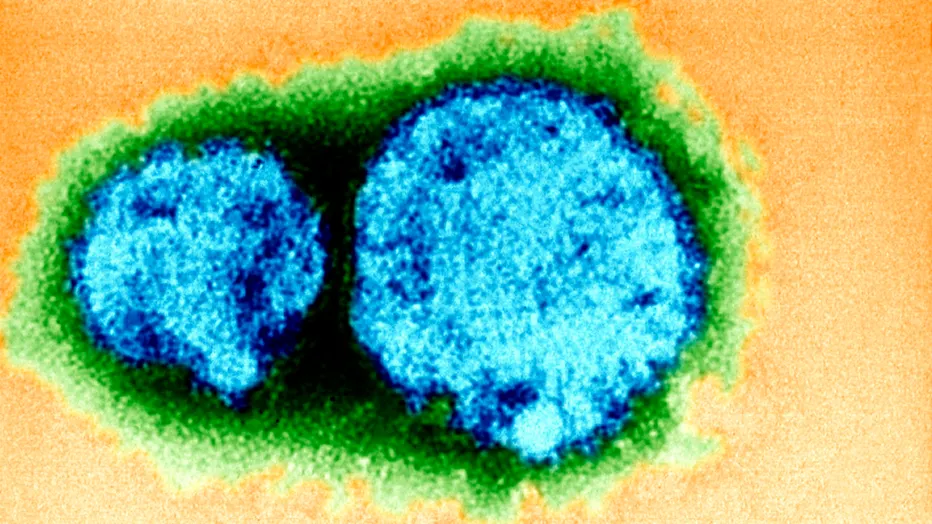
In an urgent move, several European countries, including Germany, France, Belgium, Ireland, and The Netherlands, announced the dispatch of planes to evacuate their citizens from a cruise ship bound for Tenerife, following a Hantavirus outbreak that led to the infection of eight individuals and the death of three, including a Dutch couple and a German national. This was stated by the Spanish Interior Minister in Madrid on Saturday.
The minister further added that the European Union will send two additional planes to evacuate the remaining European citizens. The United States and the United Kingdom have also confirmed plans to send aircraft for non-European citizens whose countries were unable to provide air transport.
Evacuation Details and Coordination
The Director-General of the World Health Organization, Tedros Adhanom Ghebreyesus, is scheduled to meet with the Spanish Prime Minister, Pedro Sánchez, in Madrid before heading to Tenerife, accompanied by the Spanish Interior and Health Ministers, to coordinate the ship's arrival. The ship is expected to dock near the island between 3 AM and 5 AM GMT.
Local authorities have warned that the evacuation must take place between Sunday afternoon and Monday afternoon, before maritime conditions deteriorate due to adverse weather expected until the end of May. The luxury cruise ship, MV Hondius, departed for Spain last Wednesday from the coast of Cape Verde after the World Health Organization and the European Union requested the country manage the evacuation of passengers on board.
Background & Context
The Hantavirus is a virus typically transmitted by rodents, but it can, in rare cases, be transmitted from person to person. The World Health Organization has confirmed that six of the infected individuals have been confirmed to have the virus, with two suspected cases. This incident highlights the importance of rapid responses to epidemics, especially in the current global circumstances.
The outbreak has raised concerns about public health and safety, emphasizing the need for effective monitoring and management of such viruses. As the situation develops, health authorities are on high alert to prevent further spread.
Impact & Consequences
This incident serves as a reminder of how quickly viruses can spread and how they can unexpectedly affect people's lives. Evacuating citizens under such circumstances reflects the challenges countries face in protecting their nationals and also demonstrates international cooperation in addressing health crises. This incident is expected to impact the tourism industry, as tourists may hesitate to travel to certain destinations due to fears of epidemics.
Moreover, there is an urgent need to strengthen global health systems to ensure effective responses to such situations in the future. The collaboration among nations in this crisis could pave the way for better preparedness against similar outbreaks.
Regional Significance
The implications of this outbreak extend beyond immediate health concerns, as it raises questions about the safety protocols in place for international travel and tourism. Countries must evaluate their response mechanisms to ensure the safety of their citizens abroad, especially in times of health emergencies.
As the world continues to grapple with various health challenges, this incident underscores the necessity for robust international frameworks to manage health risks effectively. The lessons learned from this outbreak could inform future strategies in epidemic preparedness and response.