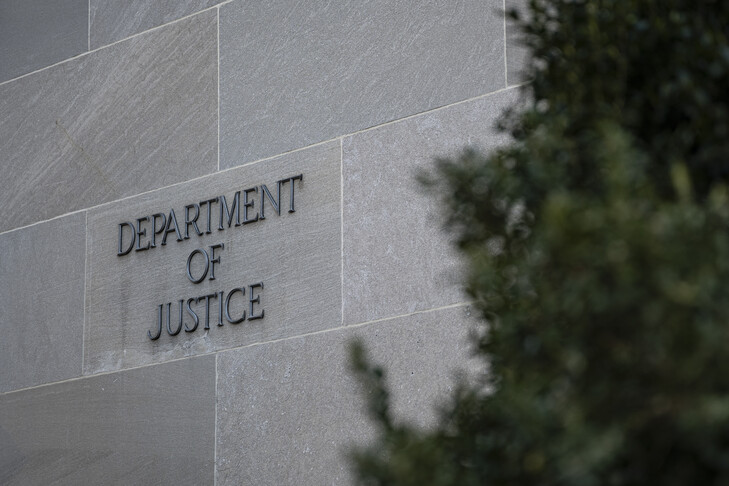
The U.S. Department of Justice is in turmoil after several prosecutors resigned, following increasing controversy surrounding the trial of James Comey, the former director of the FBI. These events unfold during a sensitive period, as Comey is considered one of President Donald Trump's most prominent opponents, raising questions about the impact of politics on justice.
Pressure is mounting on the Department of Justice amid widespread criticism for what some perceive as an attempt to exploit the judicial system for political purposes. Several prosecutors have expressed their dissatisfaction with these actions, leading to their resignations.
Details of the Situation
Events accelerated after the Department of Justice announced its intention to take legal action against Comey, who was dismissed by Trump in 2017. This decision has elicited mixed reactions, with some viewing it as an attempt to undermine judicial independence, while others see it as a necessary step to hold Comey accountable for his actions.
In this context, some of the resigning prosecutors have confirmed that they cannot support actions they consider unjust or biased, indicating that these steps could erode trust in the American judicial system.
Background & Context
Historically, the United States has witnessed numerous crises where politics intersected with justice. James Comey has been a controversial figure since assuming his position, having led investigations into Hillary Clinton's email case, which sparked significant debate in the political arena. Following his dismissal, Comey became a symbol of opposition to Trump, publishing a book detailing his experiences working with the current administration, further intensifying the divide between Trump supporters and opponents.
The ongoing situation highlights the complexities of maintaining judicial integrity in a politically charged environment, where actions taken by the government can be perceived as partisan.
Impact & Consequences
Analyses suggest that attempts to prosecute Comey could have serious repercussions for the American judicial system, as these actions may raise concerns about the use of the judiciary as a tool for political revenge, potentially damaging the reputation of the Department of Justice. Furthermore, this crisis may lead to further division within the U.S. government, as the Attorney General faces increasing pressure from both sides.
As the situation unfolds, the implications for the rule of law and the perception of justice in the United States remain critical, with many observers watching closely to see how the Department of Justice navigates these turbulent waters.
Regional Significance
This crisis within the Department of Justice not only affects the internal workings of the U.S. government but also has broader implications for the public's trust in legal institutions. The perception that political motives are influencing judicial processes can lead to a significant decline in confidence among citizens.
In conclusion, the ongoing controversy surrounding James Comey and the responses from the Department of Justice will likely shape the future of legal and political interactions in the United States, emphasizing the need for a clear separation between politics and justice.