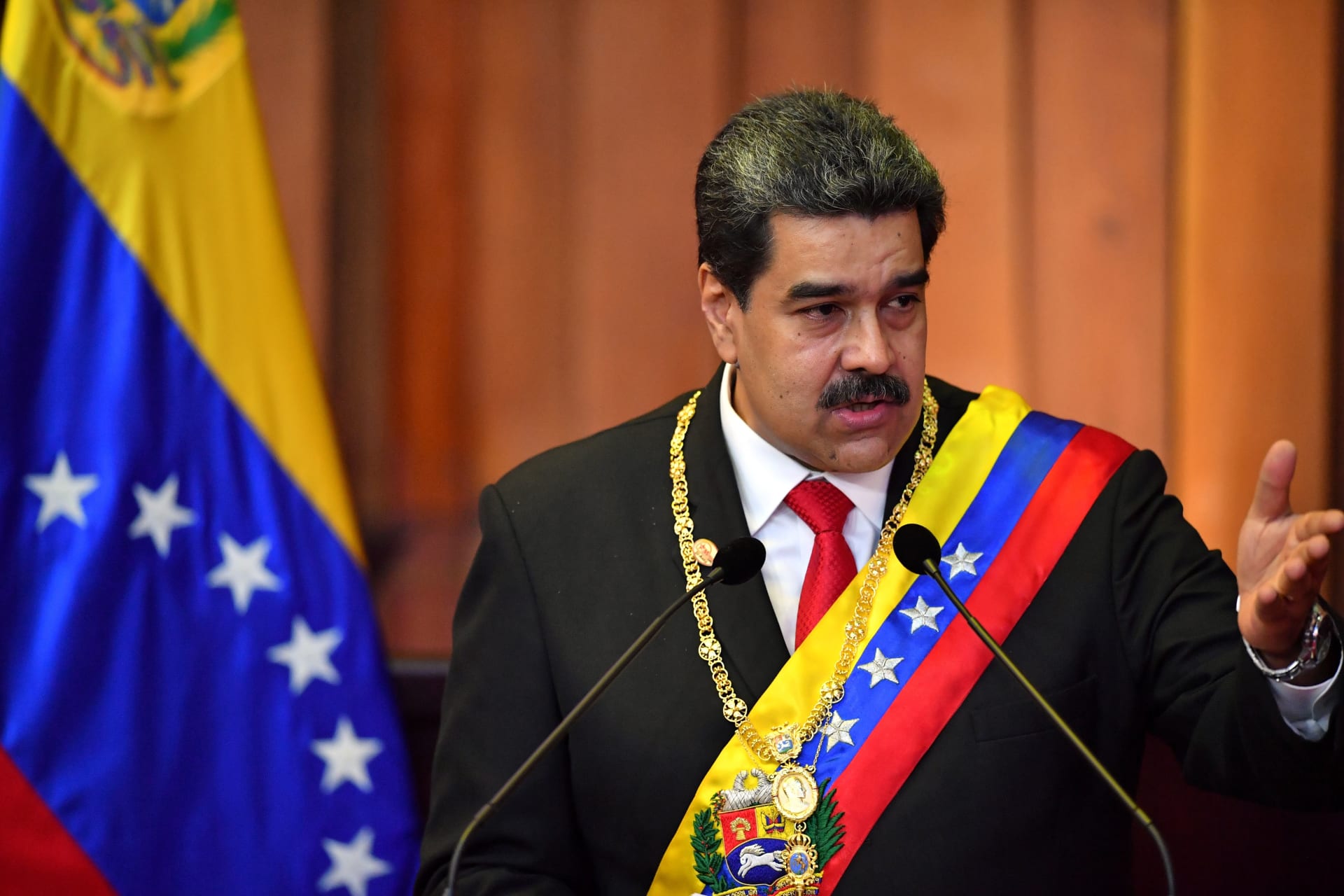
Veteran investor Aref Joshi visited the Venezuelan capital of Caracas this week to assess the country's economic and political situation following the end of Nicolás Maduro's 13-year presidency, which left Venezuela isolated from the global economy. This visit comes at a critical time as Venezuela seeks to rebuild its economic relationships with the world after years of political and economic crises.
Joshi's visit serves as an indicator of international investors' interest in reconsidering Venezuela, which is grappling with a crippling debt crisis. Joshi noted that Venezuelan debts could be among the best investment opportunities currently available, despite the risks associated with investing in a country suffering from political instability.
Details of the Visit
During his visit, Joshi met with a group of local officials and investors, discussing future plans for restructuring the Venezuelan economy. He expressed some optimism about the possibility of improving the country's economic situation, especially following potential political changes that may occur in the near future.
It is worth noting that Venezuela has experienced a sharp decline in oil production, which is the primary source of revenue, exacerbating the economic crisis. However, some analysts believe there is an opportunity to rebuild the economy if serious steps are taken towards reform.
Background & Context
Historically, Venezuela was one of the richest countries in Latin America due to its vast oil reserves. However, since 2014, the country has faced a crippling economic crisis as a result of falling oil prices and ineffective economic policies. These crises have worsened living conditions, with citizens suffering from severe shortages of food and medicine.
After 13 years of Maduro's rule, characterized by authoritarianism and corruption, the country is beginning to witness political changes that may open the door for new investments. Recent elections have shown some shifts in the political landscape, which could encourage investors to return to the Venezuelan market.
Impact & Consequences
If Venezuela succeeds in rebuilding its economy, it could have significant implications for global markets. Investing in Venezuelan debts is a considerable risk, but if the situation improves, it could yield high returns for investors. Additionally, the return of foreign investments could help improve the economic situation and create job opportunities for citizens.
However, the question remains about the stability of the new government and its ability to implement necessary reforms. If political conditions continue to deteriorate, it could exacerbate economic and social crises.
Regional Significance
Venezuela serves as an example of how political and economic crises affect nations. In the Arab world, many countries have faced similar crises, such as Syria and Lebanon, where political conditions have led to economic decline. Venezuela's experience could offer lessons to Arab nations about the importance of political and economic stability.
In conclusion, Venezuela remains in the spotlight as a country suffering from multiple crises, but it may also present opportunities for investors seeking high returns in unstable markets. Investors must exercise caution and closely monitor political and economic developments in the country.