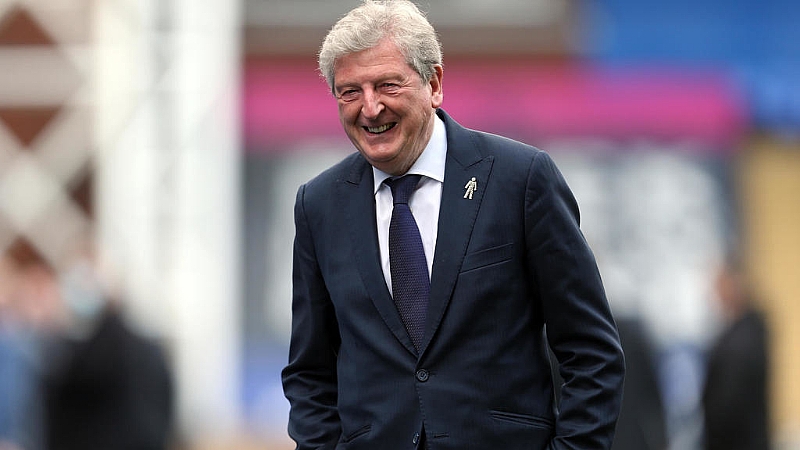
In a unique phenomenon, the career of English coach Roy Hodgson has revealed that he spent 44 years coaching a single team, an unprecedented achievement in the world of sports. This time gap raises questions about how this phenomenon compares to the time gaps seen in other sports such as American football (NFL) and basketball (NBA).
It is noteworthy that Hodgson, who began his coaching career in the 1970s, managed to remain in his position for an extended period, reflecting a rare stability in the world of sports coaching. This stability may be attributed to several factors, including the team's good performance and the ability to adapt to changes in the game.
Event Details
Despite facing numerous challenges throughout his career, Hodgson has managed to maintain his status as a head coach for a long time. In contrast, coaches in other sports often face greater pressures that lead to rapid changes within teams. For instance, in the National Football League, a coach may not last more than a few years if they do not achieve positive results.
Statistics show that coaches in the NFL change at a high rate, being replaced periodically based on performance. Meanwhile, in the NBA, a coach may last longer, but there is still significant pressure to achieve quick success.
Background & Context
Historically, there have been long periods of stability within certain teams, but these have become rare in recent years. In the past, coaches would spend many years with the same team, contributing to the development of a strong culture within the team. However, the rapid changes in today's sports world have made it difficult for coaches to remain for extended periods.
Hodgson's experience serves as a model, demonstrating that stability can lead to success. This reflects the importance of building strong relationships with players and management, which may be lacking in some other teams.
Impact & Consequences
The time gap experienced by Hodgson may influence how coaches are evaluated in the future. Teams may begin to rethink their strategies for selecting coaches, as stability can lead to positive long-term results. Furthermore, this phenomenon may encourage teams to give coaches more time to build their teams rather than making hasty decisions.
Additionally, this time gap could affect how teams interact with players. If coaches are able to stay longer, they may be able to develop players better, leading to improved overall team performance.
Regional Significance
In the Arab region, Hodgson's experience could serve as an inspiration for coaches and teams. Many Arab teams suffer from frequent changes in coaches, negatively impacting team stability. If Arab teams can adopt Hodgson's approach, it may lead to improved performance and increased chances of success in competitions.
In conclusion, Roy Hodgson's coaching experience is an important lesson in the world of sports, highlighting the significance of stability and time in building strong teams. This time gap may serve as a call to reconsider how teams and coaches are managed in the future.