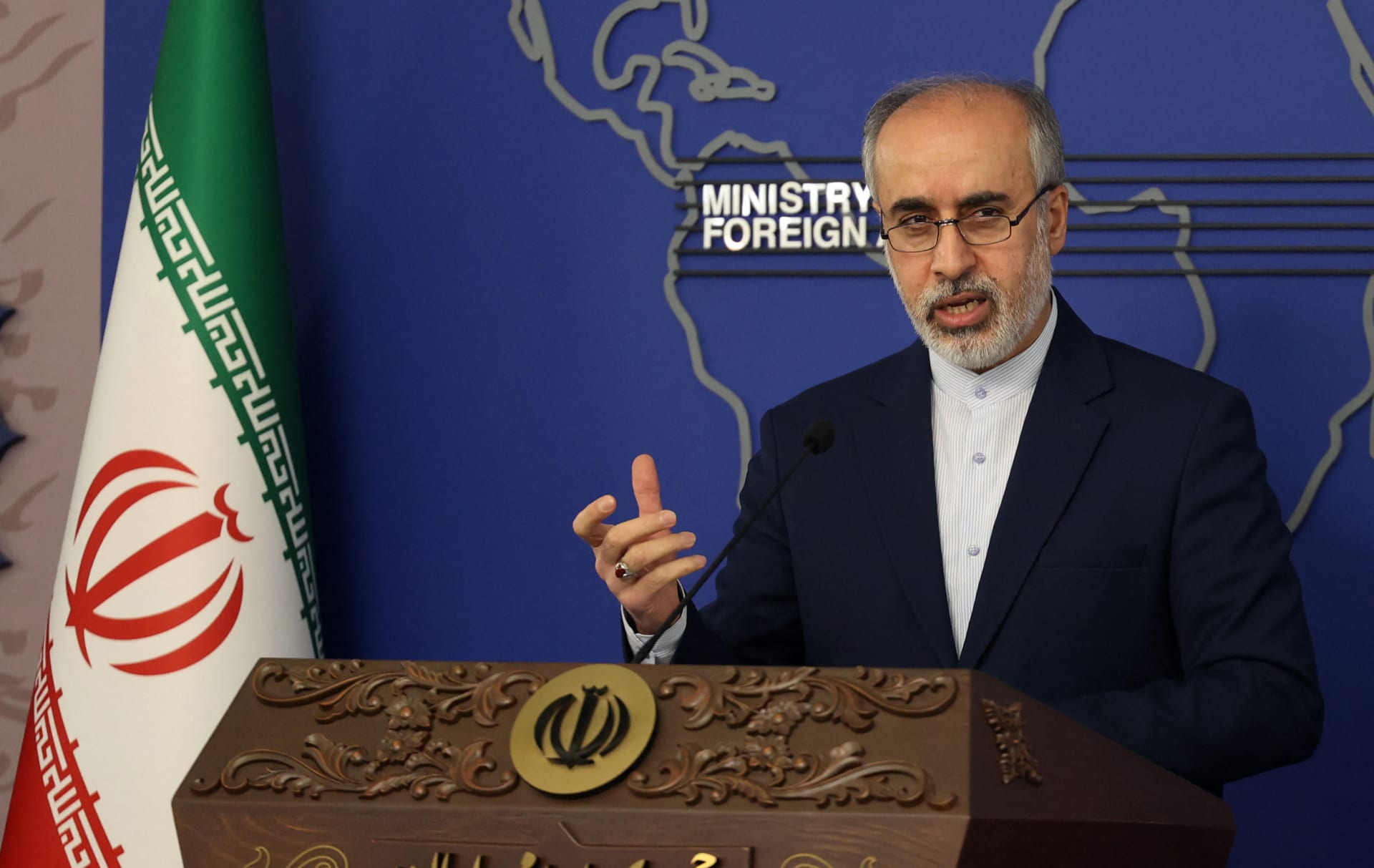
Gulf countries are facing complex repercussions due to the ongoing conflict between Iran on one side and the United States and Israel on the other. Despite not being official combatants, these nations are significantly affected by the war's fallout. A researcher at the "Institute for National Security Studies" at Tel Aviv University pointed out that there are seven different interpretations of the war against Iran, reflecting the complexity of the regional situation.
In an article published by the newspaper "Yedioth Ahronoth," the researcher discussed the potential impacts of this conflict on Gulf countries, explaining that these nations find themselves in a precarious position, directly affected by the military and political escalations between major powers.
Details of the Conflict
The consequences of the war manifest in several aspects, ranging from increasing security tensions to economic and social impacts. Although Gulf countries are not directly involved in the conflict, the concern over military escalation remains present, forcing them to take precautionary measures to protect their security and stability.
Moreover, the conflict between Iran, the United States, and Israel is reflected in the relationships between Gulf countries and Iran, where fears are growing regarding the escalation of Iranian military activities in the region, potentially leading to heightened regional disputes.
Background & Context
Historically, the region has witnessed ongoing tensions between Iran and Gulf countries, particularly amid the competition for influence in the Middle East. American and Israeli policies have contributed to exacerbating these tensions, as the United States seeks to undermine Iranian influence in the region, while Iran aims to bolster its presence and impact.
Gulf countries, which heavily rely on regional stability, find themselves in a difficult position, needing to balance maintaining their relationships with the United States while simultaneously addressing Iranian threats. This dynamic complicates the ability of Gulf nations to take clear or decisive stances.
Impact & Consequences
The repercussions of this conflict are manifold, potentially leading to increased military spending by Gulf countries, which could negatively affect their economies. Additionally, military escalation may exacerbate humanitarian crises in the region, especially given the presence of numerous other conflicts.
Furthermore, the continuation of the conflict could impact foreign investments in Gulf countries, as companies may hesitate to invest in a region plagued by instability. This could lead to a slowdown in economic growth in these nations, increasing social and political pressures.
Regional Significance
The effects of this conflict extend beyond the Gulf countries, potentially impacting stability in other Arab nations. Tensions between Iran and Gulf states could lead to escalated disputes in other areas such as Iraq and Syria, further complicating situations in these countries.
Moreover, the division among Arab nations on how to deal with Iran could exacerbate internal disagreements, undermining the ability of Arab states to confront common challenges.
In conclusion, the ongoing conflict between Iran, the United States, and Israel is likely to have profound effects on Gulf countries and the Arab region as a whole. The current situation requires Gulf nations to take strategic steps to address the challenges arising from this conflict, while also enhancing regional and international cooperation to ensure stability and security in the area.