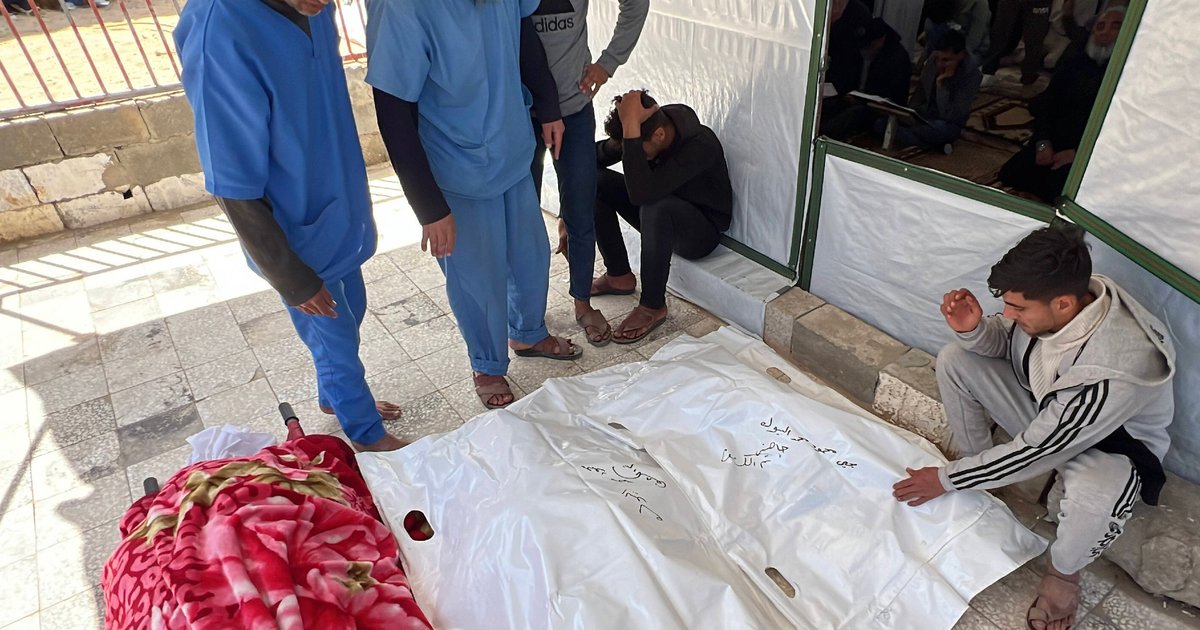
The ongoing genocide in Gaza is perpetuated through complex systems involving technology, finance, and political silence. This modern genocide, which lacks the direct presence of perpetrators, reveals the invisible role of many parties, including bankers and bureaucrats, who contribute to the continuation of these crimes.
For instance, Israeli occupation soldiers bombard civilian neighborhoods in the Gaza Strip from within warplanes and tanks, while drone operators remain in air-conditioned environments within distant military bases. This situation highlights the gap between direct actors and those behind them, including leaders, officials, and policymakers.
Details of the Event
The genocide in Gaza between 2023 and 2025 is considered one of the most complex humanitarian crises. The roles are intricately intertwined, making it difficult to identify direct responsible parties. However, the inability to pinpoint these individuals does not absolve them of moral responsibility.
These modern systems of genocide work to conceal the perpetrators of crimes, involving policies, procedures, and advanced weapons such as artificial intelligence. Reports have shown that many academic institutions and research centers have contributed to the development of technologies used in these practices.
Background & Context
Historically, humanity has witnessed numerous instances of genocide, but modern genocide is characterized by the use of advanced technology that obscures the actors. For example, the attack on the city of Hiroshima in 1945 marked a turning point in how crimes against humanity are executed, as the perpetrators were not present directly as they are today.
In recent years, with the escalation of the conflict in Gaza, it has become clear that there is a complex network of economic and political interests supporting these crimes. A report by the UN Special Rapporteur on human rights in the occupied Palestinian territories indicated that over 60 companies, including American and European firms, are involved in what it termed the "economy of genocide."
Impact & Consequences
These conditions demonstrate that genocide does not occur solely through direct actions but also through indirect support from individuals and institutions. The silence of Western governments and their failure to take punitive actions against Israel in recent years reflects the complexity of this network of responsibilities.
Moreover, there are profound psychological effects on individuals who feel guilty for their inability to act. For instance, a young American officer set himself on fire in front of the Israeli embassy in Washington in protest against his support for the genocide, highlighting the internal conflict many experience.
Regional Significance
These events are of great importance to the Arab world, as they reflect the ongoing conflict between Israeli occupation and Palestinian rights. The continued genocide in Gaza raises deep concerns in Arab countries and underscores the need for a unified stance that supports Palestinian rights and enhances peace efforts.
In conclusion, the international community must take responsibility for these crimes. Silence and failure to take effective action will only exacerbate the situation. The genocide in Gaza is not merely a local issue but a humanitarian crisis that requires an urgent global response.