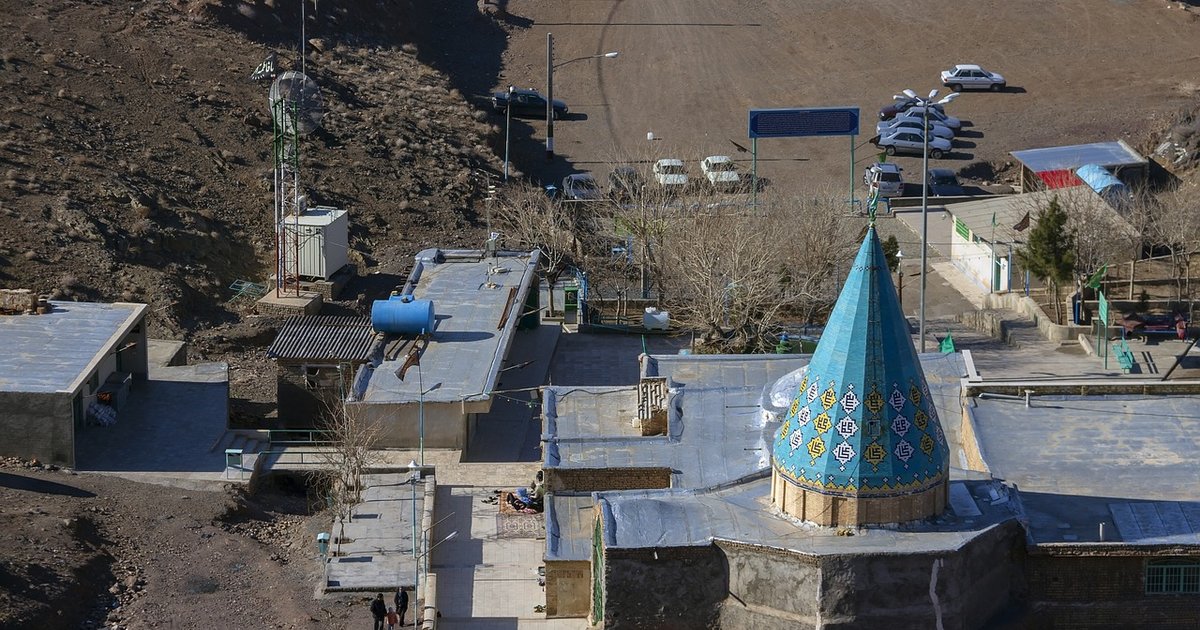
The Qom seminary is under scrutiny as it plays a pivotal role in supporting the Iranian regime during the ongoing war. Since the attack targeting Supreme Leader Ali Khamenei on February 28, the seminary has found itself at the center of events, striving to maintain the regime's legitimacy by selecting a new Supreme Leader amidst difficult conditions.
Qom is considered a holy city in the Shia sect, housing numerous religious shrines and serving as a stronghold for the religious elite in Iran. The Qom seminary wields significant influence in the political and social landscape, making it a focal point amid the ongoing conflict.
Details of the Event
Following Khamenei's assassination, the Assembly of Experts attempted to convene several times to choose a successor, but security conditions hindered these efforts. The assembly's headquarters was bombed, resulting in the deaths of several members. In this context, selecting a new leader has become a true test of the regime's ability to endure.
The United States and Israel have openly declared their goal to overthrow the Iranian regime, increasing pressure on the seminary to quickly choose a new Supreme Leader. Opinions within the Assembly of Experts have varied between conservative and reformist clerics, with conservatives pushing for the appointment of Mohsen Khamenei, the late leader's son, while reformists suggested other names, including Hassan Rouhani.
Background & Context
The Qom seminary was established in 1923 and emerged as a bastion of Shia Islam following the Iranian Revolution in 1979. Since then, it has been at the heart of the power equation in Iran, unlike the Najaf seminary, which has maintained a distance from political power. This divergence in political visions between the two seminaries has led to competition for spiritual leadership.
The position of the highest religious authority in Najaf, currently held by Sayed Ali Sistani, represents the highest academic degree among clerics. In contrast, the Supreme Leader in Iran combines both spiritual and political authority, creating tensions among clerics.
Impact & Consequences
The Qom seminary is aligning itself to support the Iranian regime during the war, issuing fatwas calling for jihad against enemies. However, its role is limited to legitimizing the regime without having actual influence over it. The Revolutionary Guard represents the deep state, while the seminary acts as a protective shield against criticism.
Tensions between conservative and reformist clerics are evident, as each side seeks to assert its influence. Nevertheless, it appears that the war has unified the seminary with the regime, as it has issued fatwas supporting military operations and calling for resilience.
Regional Significance
Events in Iran directly impact the Arab region, as the war raises concerns about escalating tensions. The Arab world is closely monitoring how these developments will affect regional stability.
In conclusion, the Qom seminary remains central to supporting the Iranian regime, striving to maintain its legitimacy amid the significant challenges it faces.