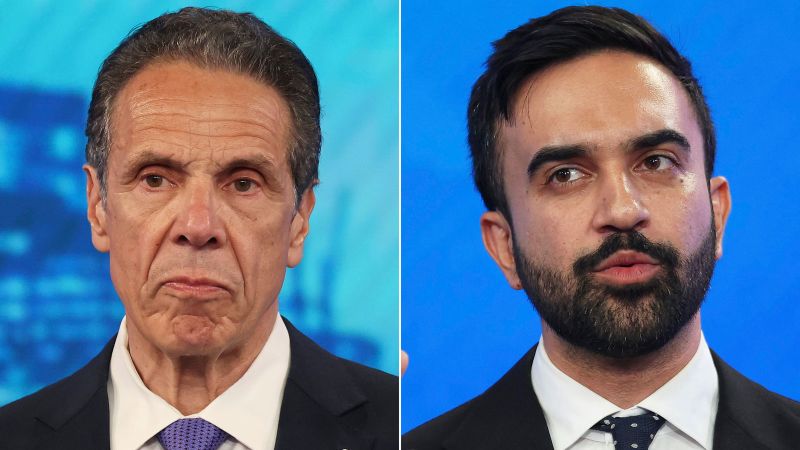
New York Mayor Zahraan Mamdani has exercised his veto power against a bill passed by the New York City Council, which was expected to limit the constitutional right to peaceful protest near educational institutions. This decision has garnered significant support from activists and human rights organizations, who argued that the law would infringe upon freedom of expression.
According to a report by the New York Times, the bill required the New York Police Department to announce any protests taking place near educational institutions, which would have restricted citizens' ability to express their opinions in public spaces. Critics deemed this legislation contrary to the fundamental principles of democracy.
Details of the Event
The bill had previously been approved by the city council, but Mamdani, who recently assumed office, decided to use his veto after consultations with his advisors and community leaders. He emphasized that peaceful protests are a fundamental part of democracy and that this right must be protected.
The bill also included penalties for protesters who violated the new rules, raising widespread concern among human rights advocates. These activists expressed fears that the law could lead to the suppression of freedom of expression.
Background & Context
This move comes amid rising discussions about human rights and civil liberties in the United States, where the country has witnessed numerous peaceful protests in recent years demanding social justice and equality. These protests have significantly influenced local and national policies.
Historically, New York has been a hub for peaceful protests, having witnessed many social movements that contributed to changes in laws and policies. However, the challenges facing civil liberties remain, highlighting the necessity of safeguarding individuals' rights to express their opinions.
Impact & Consequences
Mamdani's decision serves as a strong message regarding the importance of protecting civil rights in the face of legislation that may restrict them. This decision could encourage other cities in the United States to reconsider their laws regarding protests.
Additionally, this decision may strengthen the position of activists seeking to promote human rights and civil liberties, potentially leading to increased pressure on local government to adopt more open policies.
Regional Significance
Although this event pertains to New York, it carries significant implications for the Arab region. Many Arab countries suffer from the suppression of civil liberties, underscoring the need to enhance rights to expression and peaceful protest.
Mamdani's decision could serve as a model for Arab nations, where citizens strive to express their opinions and demand their rights. Strengthening civil liberties anywhere can positively impact social movements in the region.
The decision by the New York Mayor to veto a bill that restricts peaceful protests reflects a commitment to protecting civil liberties and represents a positive step towards enhancing democracy.