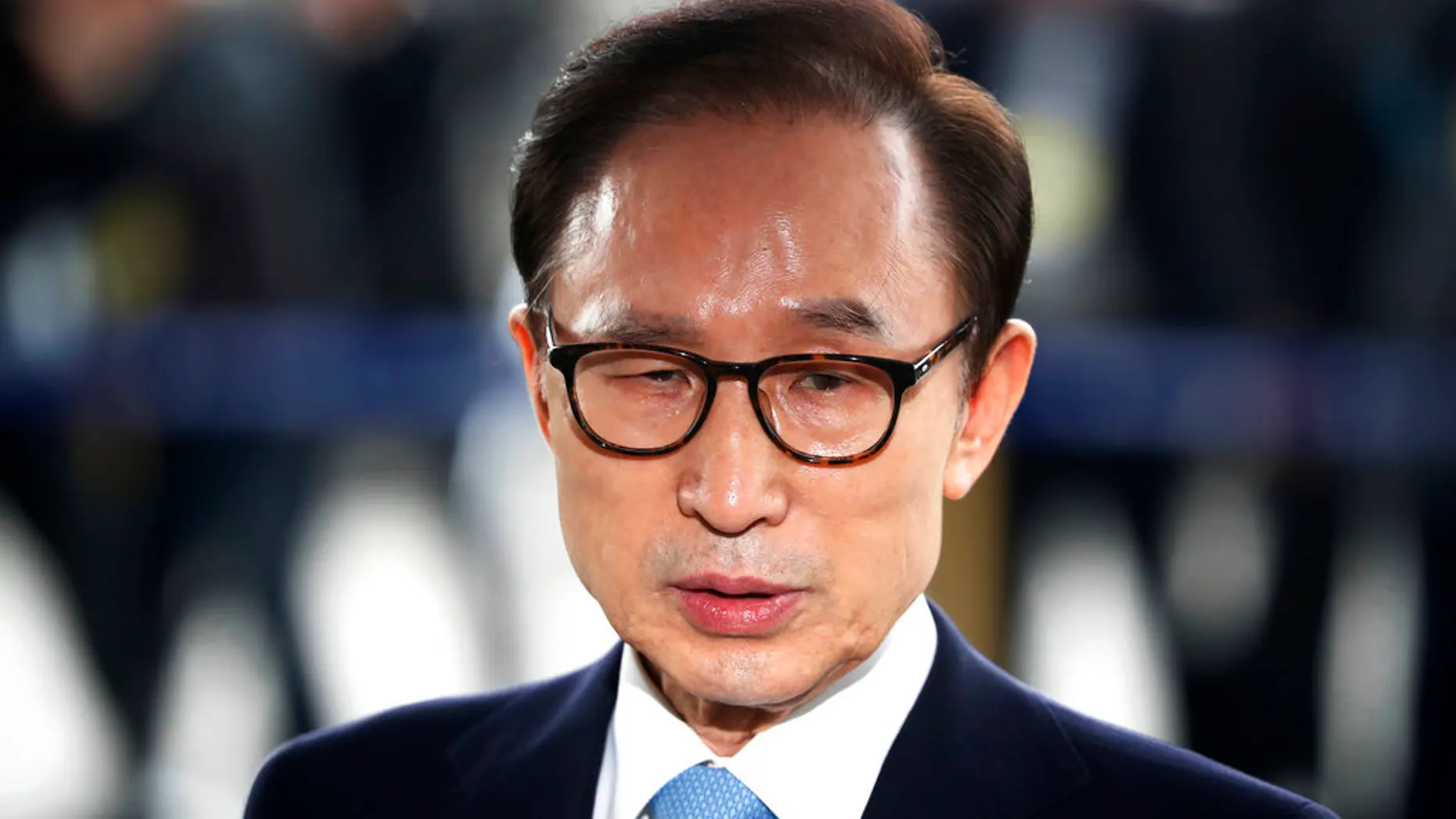
The Seoul High Court in South Korea is preparing to hold its first preliminary sessions in the trial of former President Yoon Suk-yeol, who is facing charges of rebellion, today, Monday. This follows a life sentence handed down by a lower court due to his unsuccessful attempt to impose martial law in 2024.
The session is scheduled to take place at 2 PM Korea time, where intense legal discussions regarding the evidence and testimonies presented in the case are expected. This event marks a turning point in the political landscape of South Korea, as Yoon faces serious allegations that could impact his political future.
Details of the Event
Former President Yoon Suk-yeol, who took office in 2022, has faced widespread criticism for his handling of political and economic crises. He was previously convicted by a lower court on charges of rebellion, accused of attempting to impose martial law during a period of social unrest. This trial comes at a sensitive time for the country, as many politicians seek to reassess the current political situation.
The charges against Yoon include the illegal use of his powers, which led to a deterioration of security conditions in the country. This case has sparked extensive debate within Korean society, with opinions divided on whether the charges are legally grounded or politically motivated.
Background & Context
Historically, South Korea has witnessed numerous political crises that have led to high-profile trials. In recent years, several former presidents have been prosecuted for corruption and abuse of power. These trials have not only been legal matters but also reflect the political and social tensions within the country.
In Yoon's case, the trial occurs amidst complex political circumstances, as his opponents seek to exploit the situation to weaken his position. These crises have affected public trust in political institutions, making this trial crucial in determining the future of Korean politics.
Impact & Consequences
If the life sentence is upheld, it could lead to radical changes in the Korean political landscape. This may encourage further protests and demonstrations from supporters of the former president, increasing societal division.
Moreover, this case could impact South Korea's international relations, as the global community may view this trial as evidence of political instability. At the same time, there may be repercussions for the Korean economy, as political unrest could deter foreign investments.
Regional Significance
The events in South Korea hold particular significance for the Arab region, reflecting the political challenges faced by many countries. Decision-makers in Arab nations may benefit from studying this case to understand how to navigate political crises.
Furthermore, developments in South Korea could affect economic and trade relations between Arab countries and Korea, especially in technology and industry sectors.
In conclusion, the trial of former President Yoon Suk-yeol remains a focal point for the world, as attention turns to the outcomes of the upcoming sessions that could alter the course of South Korea's political history.