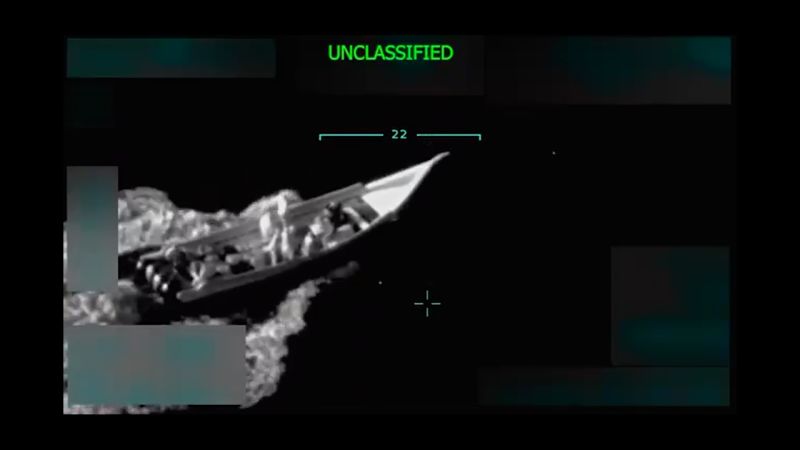
U.S. military strikes raise questions about their constitutionality and legality, especially amid rising tensions in the region. These targeted operations have sparked widespread debate regarding the legal frameworks governing their use.
Recently, the United States has executed a series of military strikes in various regions, eliciting mixed reactions from the international community. Some countries view these strikes as exceeding legal boundaries, while others see them as part of self-defense.
Details of the Military Strikes
The U.S. military strikes involve targeting sites associated with armed groups in countries like Iraq and Syria, where Washington justifies these operations as necessary to protect its interests and national security. These strikes have been carried out at sensitive times, complicating the situation in the region.
Although the U.S. administration asserts that these strikes align with international laws, there is widespread criticism from human rights organizations and some governments, which argue that these operations violate the sovereignty of the targeted nations.
Background & Context
The roots of this controversy trace back to past years, where the region has witnessed an escalation of U.S. military activities, particularly following the events of September 11, 2001. Since then, the United States has employed military force as a tool to combat terrorism, leading to military interventions in several countries.
The U.S. military strikes are considered part of a broader strategy aimed at countering the increasing threats posed by extremist groups. However, this strategy faces significant challenges, including negative reactions from the targeted countries and the international community.
Impact & Consequences
The U.S. military strikes affect international relations, creating tensions between Washington and the countries subjected to these operations. Additionally, these strikes may escalate violence in the region, exacerbating civilian suffering and complicating peace efforts.
Moreover, these military operations could impact the United States' image globally, as discontent with its military interventions grows, negatively affecting its foreign policy.
Regional Significance
The U.S. military strikes are part of a complex landscape in the Arab region, where political and military interests intertwine. These operations affect the stability of Arab nations and intensify existing conflicts.
Reactions from Arab countries vary, with some viewing these strikes as necessary to confront threats, while others oppose these interventions, considering them a violation of their sovereignty.
In conclusion, U.S. military strikes remain a contentious issue, intertwining legal and political dimensions. As tensions in the region persist, discussions regarding the legitimacy of these operations and their impact on regional and international security are expected to continue.