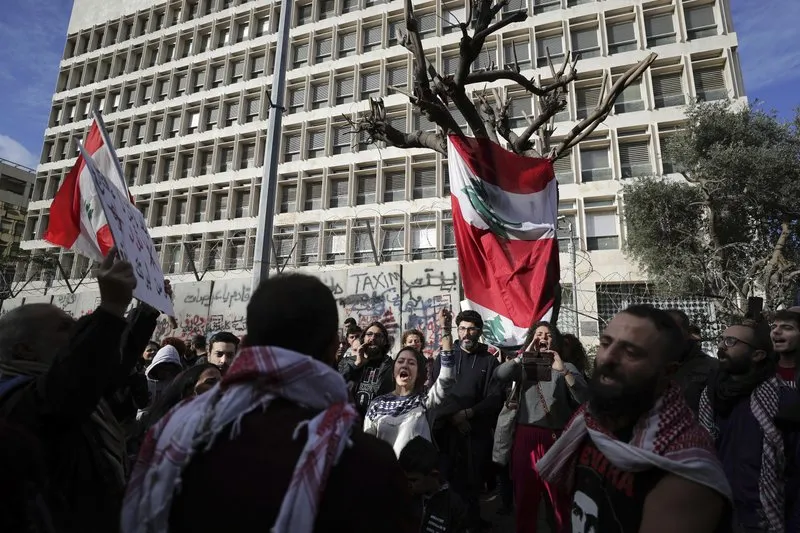
The repercussions of looting in Lebanon continue to unfold, with the aggressive spirit of the Israeli army emerging as a key factor in worsening conditions. Reports indicate that this phenomenon is not new; rather, it has deep roots in decades of conflict and tensions in the region. Amid Lebanon's economic and political crises, there is growing concern about the recurrence of such practices.
The effects of looting manifest in various aspects of daily life for Lebanese citizens, who face theft and pillaging by armed groups. These events reflect the instability plaguing the country and demonstrate how the aggressive spirit of the Israeli army can exacerbate humanitarian crises.
Details of the Events
In recent years, Lebanon has witnessed a surge in looting incidents, with increasing attacks on public and private properties. These events raise alarm among citizens, who feel trapped between economic and political crises and escalating violence. Additionally, these practices reflect a blatant disregard for human rights and international laws.
The reasons behind the rise of this phenomenon are manifold, ranging from deteriorating economic conditions to the political divisions that plague the country. In the absence of an effective government, citizens find themselves facing significant challenges, increasing the likelihood of looting incidents.
Background & Context
Lebanon, which has a long history of conflicts, is currently suffering from the aftermath of civil wars and external interventions. Since the Lebanese Civil War in the 1970s and the recurring conflicts with Israel, looting has become part of the country’s history. These events are not merely isolated incidents; they reflect a complex history of struggle and tension.
The history of looting in Lebanon dates back to various periods when wars and conflicts led to societal disintegration and increased chaos. As crises persist, looting becomes a means of survival for some, further complicating the situation.
Impact & Consequences
The repercussions of looting in Lebanon extend beyond economic dimensions, affecting the social and cultural fabric of the country. With rising violence, citizens experience a sense of insecurity, leading to a deterioration of trust in government institutions. This state of instability also impacts foreign investments, exacerbating economic crises.
Moreover, the continuation of these phenomena may lead to the proliferation of a culture of violence, where looting becomes an accepted behavior in certain circles. This situation necessitates urgent intervention from the international community to ensure the protection of human rights and promote stability in the region.
Regional Significance
The looting events in Lebanon serve as an indicator of the deteriorating conditions in the Arab region as a whole. With increasing crises in countries like Syria and Iraq, Lebanon exemplifies how political and economic turmoil can lead to the spread of violence and chaos. These phenomena threaten regional stability, calling for international intervention to ensure security and peace in the area.
In conclusion, the looting events in Lebanon stand as evidence of the aggressive spirit prevailing in the region. The current situation demands an urgent response from the international community to ensure the protection of citizens' rights and enhance stability in Lebanon and the broader region.