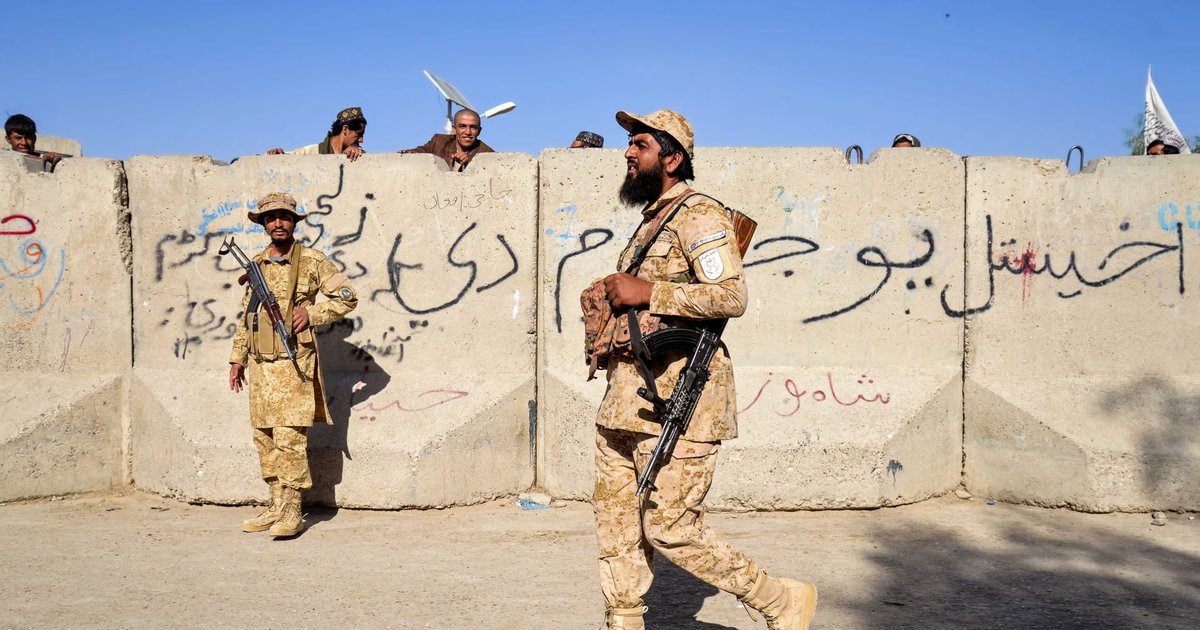
Tensions between Afghanistan and Pakistan have intensified following a bombing that targeted the University of Sayyid Jamaluddin Afghani and residential areas in Konar province, leading to the deaths of 7 individuals and injuring over 80 others. The incident, which occurred on Monday, has raised concerns about the potential collapse of the fragile ceasefire that had been established between the two sides.
Afghan authorities reported that Pakistani shells and rockets struck the university as well as residential neighborhoods in Asadabad, the capital of Konar province. Hamdullah Fetrat, the deputy spokesperson for the Afghan government, described these strikes as a serious escalation in tensions between the two nations.
Details of the Incident
Reactions have continued to emerge from both sides, with the Afghan government condemning the attack and deeming it a violation of national sovereignty. In contrast, the Pakistani government has yet to issue any official comment regarding the incident.
Further information regarding the security situation in the region is still unfolding, as the international community closely monitors the developments.
Background & Context
Historically, relations between Afghanistan and Pakistan have been marked by ongoing tensions, particularly in light of border disputes and mutual accusations of supporting armed groups. The recent ceasefire was a result of diplomatic efforts aimed at reducing violence.
The fragile peace that had been established is now at risk, as both nations grapple with the implications of this latest incident. The potential for further conflict looms large, especially if diplomatic channels fail to address the underlying issues.
Impact & Consequences
If tensions continue to escalate, it could exacerbate the security situation in the region, threatening stability and hindering peace efforts between the two countries. The ramifications of this incident may lead to a cycle of retaliation, further complicating the already delicate relationship.
Moreover, the humanitarian impact of such escalations cannot be overlooked, as civilian casualties and displacement could increase, putting additional strain on both nations' resources and international relations.
Regional Significance
This incident is significant not only for Afghanistan and Pakistan but also for regional stability in South Asia. The ongoing tensions affect neighboring countries and international stakeholders who have vested interests in maintaining peace and security in the region.
As the situation develops, it is crucial for both governments to engage in dialogue and seek peaceful resolutions to avoid further escalation and to ensure the safety of their citizens.