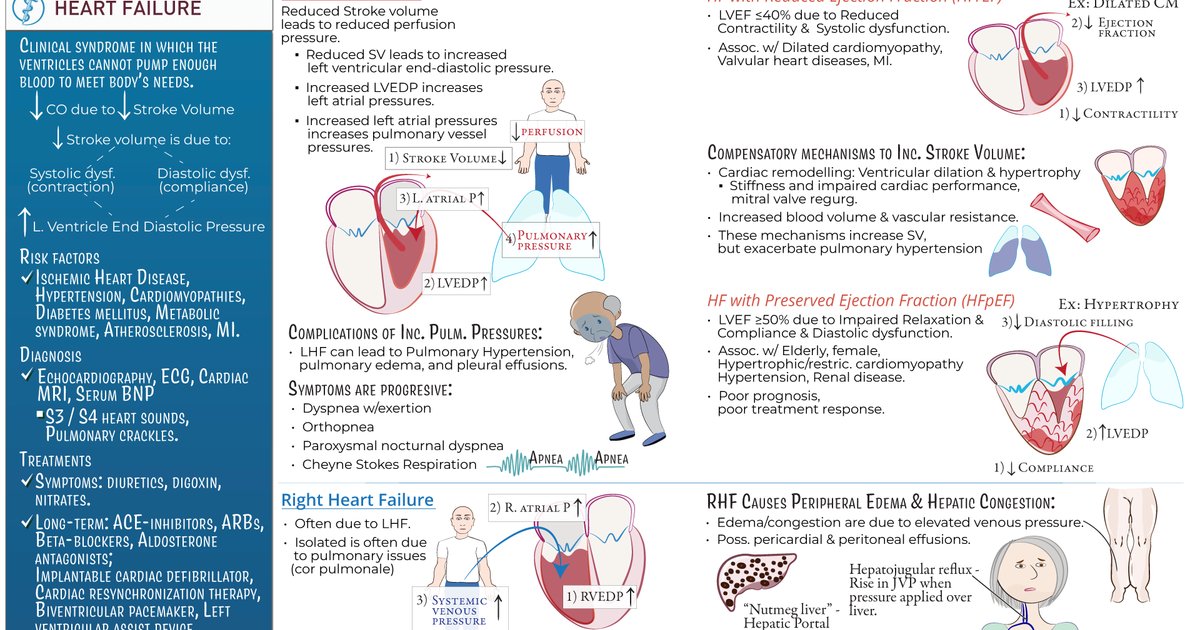
A recent study has indicated that excessive sodium consumption, commonly known as table salt, increases the risk of developing heart failure by as much as 15%. Heart failure is a medical condition characterized by the heart's inability to pump blood efficiently to meet the body's needs for oxygen and nutrients.
Several factors contribute to heart failure, including coronary artery disease, high blood pressure, and the impact of diabetes on blood vessels. Additionally, weakened or enlarged heart muscles can lead to this serious health condition.
Study Details and Findings
The study, published in March 2026 in the Journal of the American College of Cardiology, involved 25,306 participants, with an average age of 54, who had no prior history of heart failure. The results showed that participants consumed approximately 4,200 mg of sodium daily, compared to the recommended maximum of 2,300 mg, which was associated with a 15% increase in the risk of new heart failure cases.
The researchers noted that reducing sodium intake could alleviate the burden of heart failure risk. The lead author, Deepak Gupta, mentioned that the average sodium intake was 4,269 mg daily, and over a follow-up period of 9 years, 27.8% of participants developed heart failure.
Background & Context
The study indicates that an increase of 1,000 mg of sodium daily is linked to an 8.11% rise in heart failure risk, regardless of diet or physical activity levels. Furthermore, the study highlighted that reducing salt intake to 4,000 mg daily or less could decrease heart failure cases by 6.6% over 10 years, contributing to a reduction in mortality associated with this condition and saving approximately $2 billion annually in healthcare costs in the United States.
In an interview with Al Jazeera Net, cardiovascular specialist Mahmoud Bahbah confirmed the strong relationship between sodium consumption and heart disease. He explained that heart failure signifies reduced efficiency of the heart muscle, with symptoms gradually appearing, including chest pain and shortness of breath during exertion, which diminishes the patient's ability to perform daily tasks.
Impact & Consequences
Bahbah added that common causes of heart failure include weakened coronary arteries or strokes. Additionally, excessive sodium accelerates atherosclerosis, leading to vascular damage and increased inflammation, which raises blood pressure and negatively affects coronary arteries.
One of the most notable effects of salt is increased fluid retention in the body, which burdens the heart muscle during blood pumping and raises peripheral vascular resistance, exacerbating the risk of heart failure. Therefore, Bahbah recommends reducing daily sodium intake and partially replacing it with potassium salt, which helps expel sodium from the bloodstream and dilates blood vessels, improving heart function.
Regional Significance
Heart failure is considered a modifiable disease, as it can be prevented by managing risk factors such as high blood pressure, diabetes, and obesity. In Arab countries, there is an increasing need for awareness regarding the risks of sodium, especially given prevailing dietary patterns.
Studies show that the highest burden of heart failure in the United States is concentrated in the Southeast, necessitating greater attention from health authorities. Moreover, raising awareness about sodium consumption can contribute to improving the health of Arab communities.
In conclusion, there should be a greater focus on reducing sodium intake in diets, as simple changes can make a significant difference in heart health.