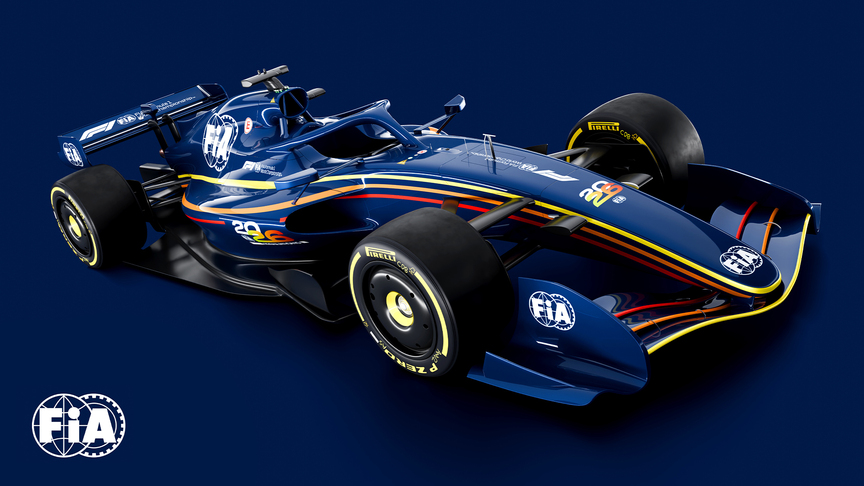
Formula 1 has unveiled a series of new regulations that will come into effect in 2026, sparking considerable excitement in the motorsport world. These changes are designed to enhance competition among teams and reduce carbon emissions, aligning with the global trend towards sustainability.
The new regulations include radical changes in engine design, transitioning to more efficient hybrid engines. These changes are expected to improve performance and reduce fuel consumption, reflecting Formula 1's commitment to sustainability.
Details of the Changes
The new regulations will involve an increase in the power of electric engines, meaning teams will need to redesign their cars to meet these requirements. Additionally, the changes will include a reduction in the overall weight of the cars, which could impact teams' strategies during races.
Moreover, the new regulations will also introduce enhancements in safety systems, requiring teams to adopt new technologies to protect drivers. These steps are part of ongoing efforts to improve safety in motorsport.
Background & Context
Historically, Formula 1 has undergone numerous regulatory changes, always aiming to improve performance and safety. In recent years, there has been increasing pressure on the sport to adopt more sustainable practices, especially with the growing global concern regarding climate change.
In 2021, new regulations regarding sustainable fuel were introduced, paving the way for the current changes. These steps reflect a shift in how Formula 1 manages its future, focusing on innovation and technology.
Impact & Consequences
These changes are expected to significantly impact teams and drivers, as teams will need to invest more resources in developing their cars. This could lead to increased costs, which may affect smaller teams that might struggle to adapt to these new requirements.
On the other hand, these changes could open new opportunities for larger teams that have the resources to invest in new technology. Additionally, increased competition may enhance the excitement of races, attracting more fans to the world of Formula 1.
Regional Significance
Formula 1 is one of the most popular sports worldwide and has a significant impact in the Arab region. With the growing interest in sustainability, these changes may encourage Arab countries to host more sustainable sporting events.
Furthermore, these changes could contribute to boosting sports tourism in the region, as Arab countries can benefit from hosting Formula 1 races, enhancing their global standing.
As the implementation date for the new regulations approaches, Formula 1 fans are eager to see how these changes will affect competition and performance in upcoming races. The challenges and opportunities that will arise from these new regulations will shape the future of Formula 1 in the coming years.