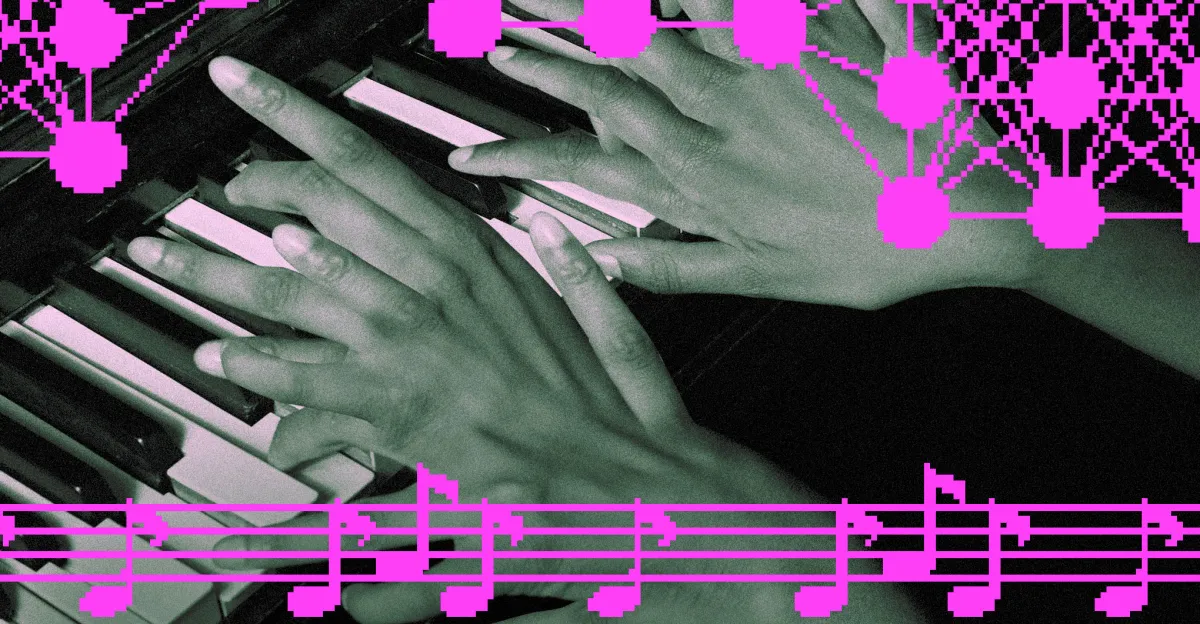
The pace of developments in the world of AI-supported music is accelerating, as this technology plays a pivotal role in various aspects of the industry, from music production to distribution. With the increasing use of AI in creating songs, artists are facing new challenges related to intellectual property rights and their presence in the market.
Recently, reports have shown that a significant percentage of the audience, reaching 97%, finds it difficult to distinguish between music created by artificial intelligence and that produced by human artists. This raises questions about whether this music can be considered true art or merely technical outputs.
Recent Events in AI Music
Recent developments in this field include a notable event where an individual in North Carolina pleaded guilty to a fraud case related to streaming music supported by AI. Additionally, platforms like Apple Music have added optional tags for songs created by AI, in a move aimed at increasing transparency.
On another front, Qobuz launched a tool for automatic detection of AI-supported music, reflecting a growing trend towards regulating this type of content. Furthermore, Warner Music has entered into a new agreement with Nvidia to develop new technologies in this area.
Background & Context
Historically, the music industry has seen significant transformations with the advent of technology, from recording songs on vinyl to digital streaming. With the entry of artificial intelligence into this field, concerns have increased regarding its impact on independent and talented artists who may find themselves in unfair competition with the mass production offered by this technology.
The issue of intellectual property rights is one of the most prominent challenges currently facing the industry. Lawsuits against AI companies for violating ownership rights are on the rise, raising concerns among artists about their future in light of these developments.
Impact & Consequences
The implications of using artificial intelligence in music extend beyond legal issues, also sparking ethical discussions about what art means in the age of technology. Can music produced by AI be considered true art, or is it merely soulless output? These questions present the industry with new challenges related to artistic identity.
There are also fears that the mass production of AI-supported music could flood the market, potentially harming artists who rely on creativity and uniqueness in their work. In this context, the industry must consider how to balance innovation with protecting artists' rights.
Regional Significance
In the Arab region, some startups have begun exploring the use of artificial intelligence in the music industry, opening new horizons for local artists. However, there must be efforts to ensure the protection of Arab artists' rights in light of these developments. Public awareness of these issues is also increasing, prompting stakeholders to take effective steps to safeguard artistic creativity.
In conclusion, artificial intelligence represents both a challenge and an opportunity for the music industry. As companies and artists strive to adapt to these changes, the most important question remains: how can the essence of art be preserved in a world moving towards automation?