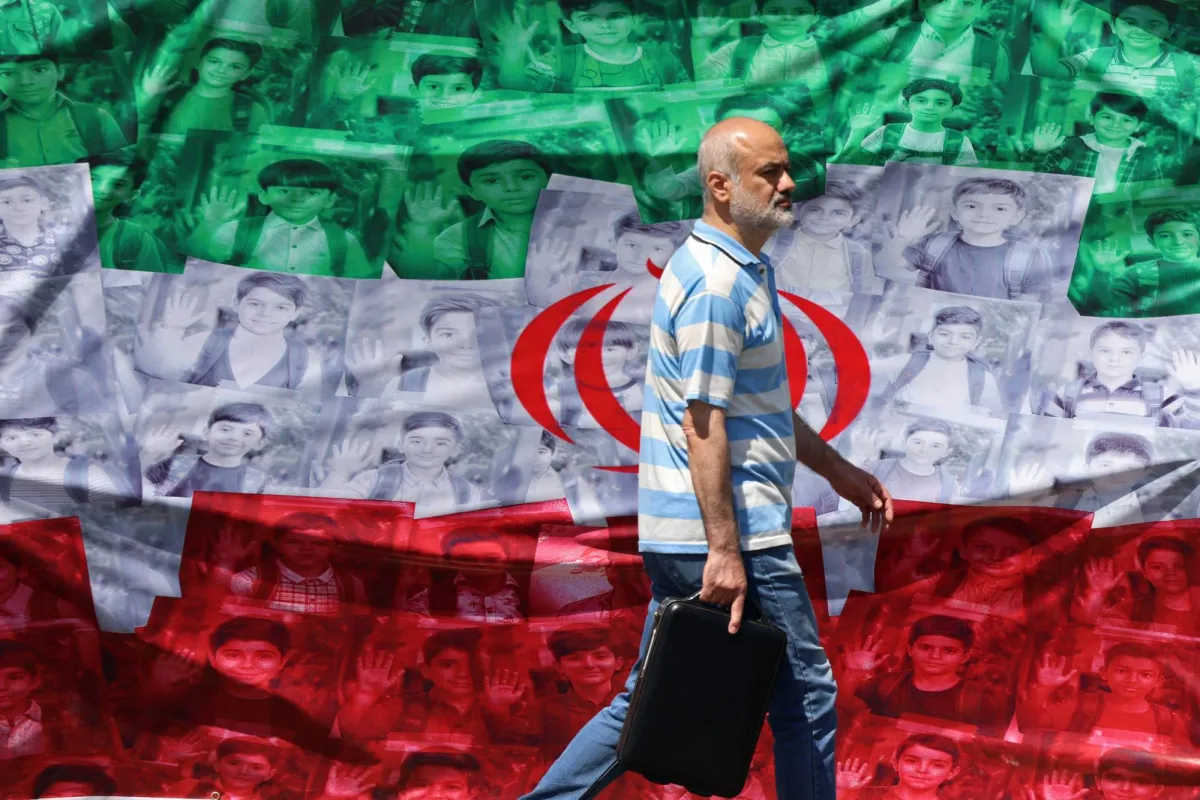
The UN High Commissioner for Human Rights has announced that 21 individuals have been executed and over 4000 arrested in Iran since the beginning of the war in the Middle East. These figures reflect the increasing repression in the country, as these events are part of the reactions to political and security protests.
According to a statement released on Wednesday, 9 of those executed were linked to protests that erupted in January 2026. Additionally, 10 others were executed on suspicion of belonging to opposition groups, along with 2 individuals convicted of espionage.
Details of the Events
Reports indicate that the arrests made during this period were related to national security, with over 4000 people detained. This situation highlights the ongoing repression faced by dissenting voices in Iran, particularly under the tense political climate.
These events come at a sensitive time, as tensions in the region escalate due to ongoing conflicts. The figures have raised international concern regarding human rights in Iran, as the country faces increasing pressure from the international community.
Background & Context
Historically, Iran has experienced periods of political repression, especially following the Islamic Revolution in 1979. As protests against the government have intensified, authorities have ramped up their crackdown on dissenting voices. These recent events occur within a broader context of regional tensions, where internal issues intersect with external conflicts.
Moreover, the economic situation in Iran, which suffers from international sanctions, exacerbates social and political conditions. These circumstances have led to widespread feelings of discontent among citizens, increasing the likelihood of further protests.
Impact & Consequences
The execution of such a large number of individuals and the arrest of thousands could worsen the security situation in the country. Furthermore, these actions may provoke strong international reactions, increasing Iran's isolation on the global stage.
Human rights organizations expect that pressure on the Iranian government will continue, potentially leading to more protests and resistance. This situation could contribute to creating an unstable environment in the region and affect relations between Iran and Western countries.
Regional Significance
The events in Iran are of significant importance to the Arab region, as they could impact stability in neighboring countries. The escalation of repression in Iran may encourage opposition groups in other nations to adopt bolder stances.
Additionally, these events could influence regional policies, as Arab nations seek to balance their relations with Iran. The situation in Iran may contribute to reshaping political alliances in the region, complicating the political landscape.
In conclusion, the situation in Iran remains under close observation, with expectations that political and social tensions will continue to affect the country and the region as a whole.