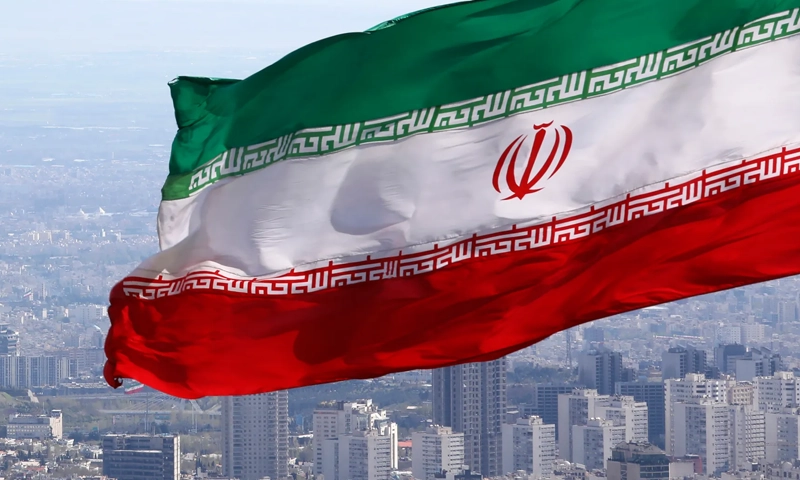
Rafael Grossi, the Director General of the International Atomic Energy Agency (IAEA), revealed that highly enriched uranium may be located at Iran's Isfahan site, heightening international anxiety regarding Iranian nuclear activities. These remarks come as part of the agency's ongoing efforts to monitor nuclear activities in Iran, aiming to ensure that Iran's nuclear program does not intend to develop nuclear weapons.
Grossi confirmed that the agency has detected unprecedented levels of uranium enrichment in Iran, necessitating urgent action. He noted that these activities contradict the 2015 nuclear agreement, which aimed to restrict Iran's nuclear program in exchange for easing economic sanctions.
Details of the Event
In recent years, Iran has increased its uranium enrichment levels, reaching a rate of 60%, which is close to the threshold required for developing a nuclear weapon. This has raised alarms among Western nations, who fear that Iran may be nearing the development of military nuclear capabilities. Grossi explained that the agency is closely monitoring the situation and is working on conducting further inspections at Iranian nuclear sites.
The IAEA had previously issued reports indicating that Iran has not fully cooperated with international inspectors, raising suspicions about its intentions. In this context, Grossi urged Iran to adhere to its international commitments and collaborate with the agency to ensure transparency in its nuclear program.
Background & Context
Historically, Iran has faced international pressure due to its nuclear program, resulting in stringent economic sanctions imposed by the United States and other countries. The nuclear agreement reached in 2015 marked a breakthrough in relations between Iran and the West; however, the U.S. withdrawal from the agreement in 2018 reignited tensions.
Since then, Iran has begun to roll back its commitments under the agreement, leading to heightened fears of its potential development of nuclear weapons. The current situation reflects the significant challenges the international community faces in addressing Iran's nuclear program and underscores the need for effective diplomatic dialogue.
Impact & Consequences
The recent statements by the IAEA Director General could escalate tensions between Iran and Western nations, particularly amid concerns that Iran may be moving towards developing nuclear weapons. This situation could impact regional and international security, increasing the likelihood of conflict in the Middle East.
Moreover, these developments may affect oil prices and global financial markets, as any escalation in tensions could lead to increased instability in the region. Neighboring countries to Iran, such as Saudi Arabia and Israel, are closely monitoring the situation and may take preemptive steps to protect their interests.
Regional Significance
For Arab nations, Iran's nuclear program represents a potential threat to regional security. Many Arab countries are concerned that Iran could leverage its nuclear capabilities to enhance its influence in the region. This situation may prompt some Arab nations to consider developing their own nuclear programs as a means of countering the Iranian threat.
Under these circumstances, regional and international dialogue becomes essential to avoid escalation. Cooperation between Arab nations and Western countries could be key to achieving stability in the region and ensuring the non-proliferation of nuclear weapons.