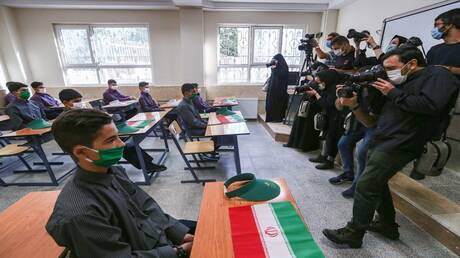
The Iranian Ministry of Education, through its spokesperson Ali Farhadi, has announced the closure of seven Iranian schools located in both the UAE and Kuwait. This decision comes at a sensitive time, prompting numerous questions regarding the reasons behind it.
These schools were part of Iran's efforts to provide education to the Iranian community abroad, aiming to promote Persian culture and language. However, their closure may reflect shifts in Iranian educational policy or external pressures.
Details of the Decision
Farhadi reported that the decision followed a comprehensive assessment of the educational situation in the affected schools, noting that there were considerations related to educational quality and available resources. He added that the ministry would work on reevaluating its educational strategies abroad.
It has not been specified whether there are plans to reopen these schools in the future, but Farhadi confirmed that the ministry would continue to work on improving education for the Iranian community abroad.
Background & Context
Historically, Iran has sought to enhance its cultural and educational presence in countries with significant Iranian communities, such as the UAE and Kuwait. These schools were established as part of this strategy, aimed at teaching the Persian language and promoting cultural identity.
However, political and economic tensions in the region may impact these efforts. In recent years, relations between Iran and Gulf countries have experienced increasing tensions, which could directly affect educational and cultural activities.
Impact & Consequences
The closure of these schools could have negative repercussions for the Iranian community in the UAE and Kuwait, as parents may feel concerned about their children's education. Additionally, this decision may lead to a decrease in cultural interaction between Iranian communities and local societies.
On the other hand, this decision may open the floor for broader discussions about education abroad and how to improve it. Iran may seek to reassess its educational strategies to better meet the needs of its communities.
Regional Significance
The closure of Iranian schools in the UAE and Kuwait is part of a larger picture concerning political tensions in the region. This decision could affect relations between Iran and Gulf countries, potentially leading to further division or new opportunities for dialogue.
Ultimately, the question remains open regarding how this decision will impact Iranian communities abroad and whether there will be future steps taken by Iran to enhance education and culture in these countries.