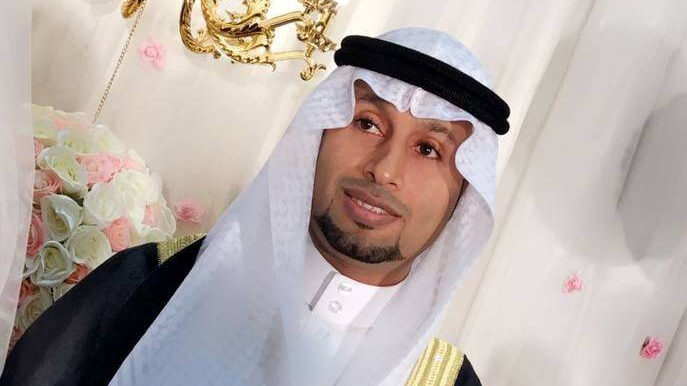
The Saudi Ministry of Interior announced the execution of businessman Saud Al-Faraj, who was convicted for participating in protests against the government in 2011. Al-Faraj, aged 42, was found guilty in 2022 on charges related to his involvement in demonstrations in Qatif, a province with a Shiite majority in eastern Saudi Arabia, in addition to other charges related to terrorism and killing police officers.
News of the execution came last Wednesday, following a "royal decree" approving the death sentence. The Ministry of Interior confirmed in its statement the Saudi government's commitment to maintaining security, achieving justice, and enforcing Islamic law against anyone who infringes on the rights of others.
Details of the Event
Al-Faraj reported that he was subjected to torture to force him to confess to the charges against him, as he was transported in a wheelchair between interrogation sessions and held in solitary confinement for 21 months. Al-Faraj was one of hundreds of Saudis who participated in protests during the Arab Spring, demanding greater democratic reforms in the kingdom.
It is noteworthy that many participants in those protests were from the Shiite community in Qatif, who have long suffered from discrimination. Although Saudi Crown Prince Mohammed bin Salman promised social reforms since 2015, he has also overseen a severe crackdown on dissent, including a significant expansion of the death penalty.
Background & Context
Historically, Saudi Arabia witnessed protests in 2011 as part of the Arab Spring wave, where demonstrators called for political and social reforms. Qatif was a focal point for these protests, as residents expressed their discontent with the discrimination practiced against them. Since then, the government has taken strict measures against any form of dissent, leading to a rise in executions.
According to statistics from the French Press Agency, Saudi Arabia recorded a record number of executions in 2025, with 340 death sentences carried out, most of which were related to drug offenses, while others were executed on vague terrorism-related charges.
Impact & Consequences
This incident is indicative of the deteriorating human rights situation in Saudi Arabia, where concerns about the suppression of dissenting voices are growing. Jayed Basyouni, from a human rights organization, described the situation in Saudi Arabia as "terrifying" for anyone who criticizes the Crown Prince. He emphasized that Saudi authorities feel they enjoy impunity, even amid calls from legal experts at the United Nations for the release of arbitrarily detained individuals.
The execution of Al-Faraj raises international concern about how the Saudi government treats dissenters and reflects the repressive policies that authorities follow against any form of protest or opposition.
Regional Significance
These events are part of the larger picture of political conditions in the Middle East, where tensions between governments and citizens are escalating. The crackdown on protests in Saudi Arabia may influence neighboring countries, as citizens in those nations may take cues from these events in their political movements.
In conclusion, the issue of human rights in Saudi Arabia remains a focal point of global concern, and the international community must continue to pressure for improvements and an end to arbitrary executions.