The Egyptian government aims to expand development projects in the Sinai Peninsula, coinciding with the 44th anniversary of its liberation, contributing to enhanced security stability and protection of the country's eastern borders.
Egypt celebrates the anniversary of "Sinai Liberation" on April 25 each year, when the Egyptian flag was raised over the peninsula after its recovery from Israel in 1982, following the withdrawal of the last Israeli soldier, in accordance with the peace treaty.
Event Details
Egyptian President Abdel Fattah El-Sisi affirmed that "the battle for liberation fought by Egyptians with arms, blood, and thought in Sinai has now extended to the battle of construction and development." In his speech on this occasion, he noted that "Egypt regained the land through sacrifices, and we protect and build it with sweat and hard work."
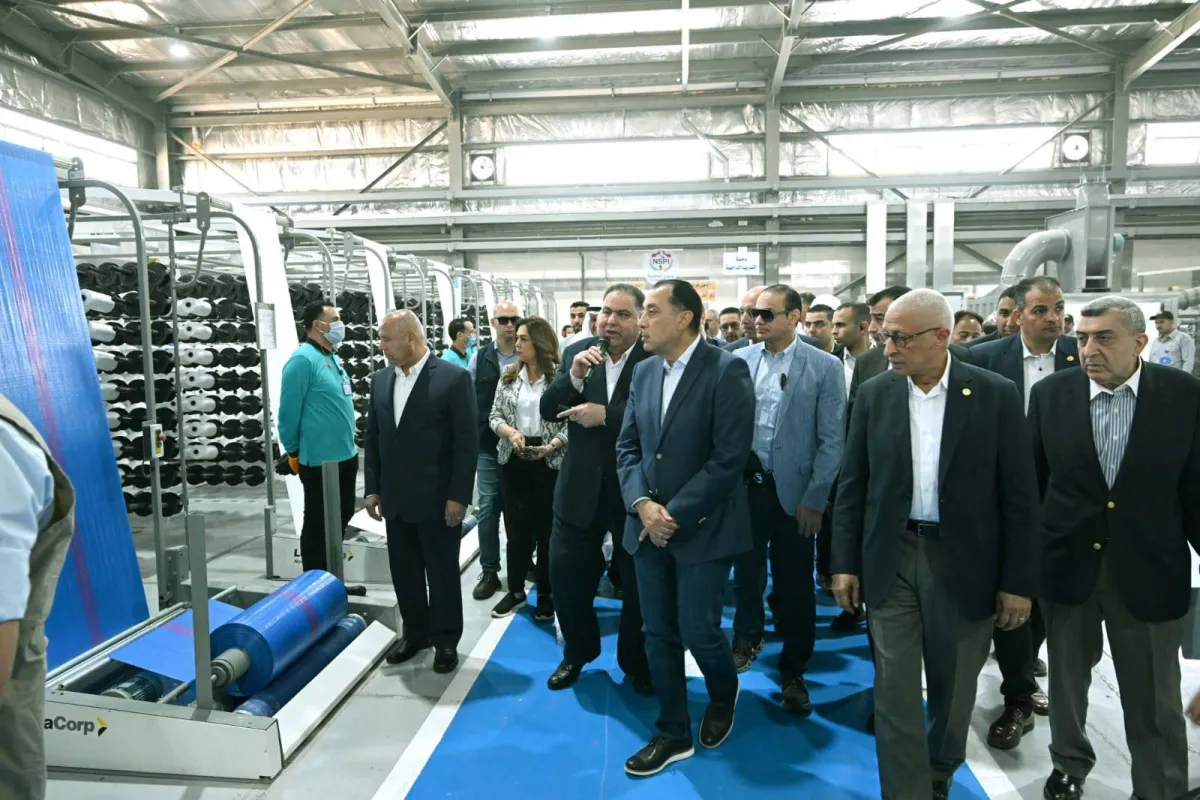
Last week, Egyptian Prime Minister Mostafa Madbouly inaugurated several development and service projects in North Sinai, emphasizing that "the state's vision for development in North Sinai focuses on making the area an investment destination and a major urban, industrial, agricultural, and tourist center for Egypt."
Background & Context
Madbouly previously mentioned at the end of 2023 that "the government has spent over 600 billion Egyptian pounds on development projects in Sinai over the past ten years," which included projects in various sectors. He pointed out that "the second phase of development projects in Sinai is estimated at about 363 billion pounds to implement approximately 302 projects over three years."
Coinciding with the anniversary of "Sinai Liberation," the Ministry of Planning and Economic Development announced that "the volume of investments allocated to North and South Sinai during the years (2026 - 2027) amounts to about 35 billion pounds, with 59 percent of these investments directed towards human development and building the individual."
Impact & Consequences
According to Egyptian military expert Major General Mohamed Qashqoush, "the development plan in Sinai currently forms the first line of defense for the peninsula." He notes that "the Egyptian government has prioritized the development project in Sinai in recent years to increase investments," which will reflect on the population density in that area.
Qashqoush believes that "increasing the population density in Sinai and the rise in the labor force percentage in developmental, service, and investment projects will contribute to the protection and security of this area, which forms the eastern gateway to Egypt." He also confirmed that "the state aims to increase tourism in this area, which includes many tourist and recreational destinations."
Regional Significance
Last year, the government announced the "Egyptian National Strategy for the Development of the Sinai Peninsula," which included projects (roads, ports, railways, industrial and logistical zones) aimed at transforming it into a commercial hub linking the Mediterranean Sea and the Red Sea, enhancing connectivity with regional and international markets.
The Egyptian government aims to strengthen the permanent connection between Sinai and the Delta through numerous road, tunnel, and bridge projects. The government has constructed six tunnels beneath the navigational course of the Suez Canal, at a cost reaching 35 billion pounds.
Egypt repeatedly emphasizes its "rejection of the displacement of Palestinians from Gaza," reflecting its commitment to preserving the national identity of its territories. Additionally, sustainable development in Sinai is part of the comprehensive strategy to enhance security and stability in the region.
In conclusion, development projects in Sinai represent an important step towards achieving security and economic stability, reflecting the Egyptian government's commitment to developing the region and improving the living conditions of local residents.