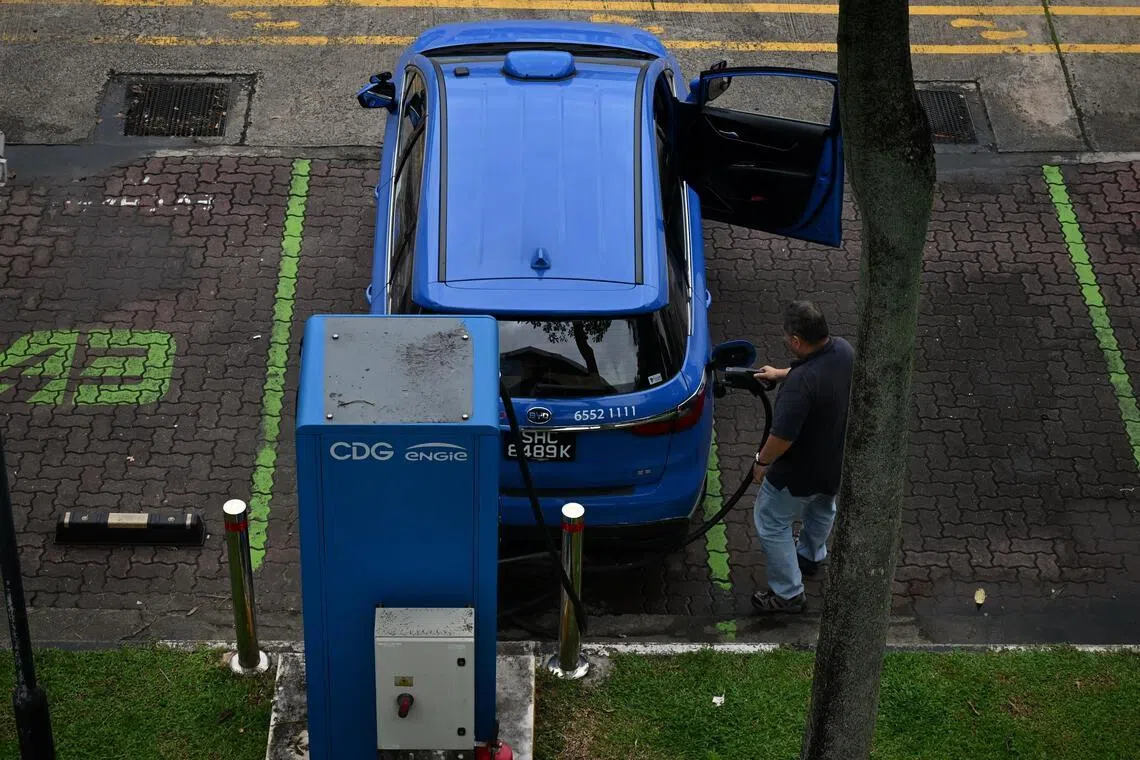
The government is working to enhance the use of electric vehicles through an ambitious plan to install eight fast charging stations in HDB cities by the end of 2027. This project aims to provide advanced infrastructure that facilitates citizens' use of electric vehicles, contributing to a reduction in carbon emissions.
This initiative is part of a broader strategy to promote environmental sustainability and achieve emission reduction goals. With growing environmental awareness, these stations are expected to encourage more individuals to switch to electric vehicles.
Details of the Charging Stations Plan
The plan includes the installation of fast charging stations in each HDB city, meaning that every area will have at least one charging point. This will help facilitate access to charging services, thereby enhancing the use of electric vehicles in daily life.
These stations are essential to support the anticipated growth in the electric vehicle market, as forecasts indicate a significant increase in demand for these vehicles in the coming years. Additionally, the presence of fast charging stations will boost consumer confidence in using electric vehicles.
Background & Context
Historically, electric vehicles have faced significant challenges related to charging infrastructure. However, many countries have begun investing in the development of this infrastructure as part of their efforts to combat climate change. In recent years, there has been a growing global interest in electric vehicles, prompting governments to take serious steps to facilitate their use.
This initiative is part of a global trend towards clean energy, as many nations strive to reduce their reliance on fossil fuels. In this context, the importance of providing fast charging stations emerges as a key element in supporting this transition.
Impact & Consequences
This project is expected to have a positive impact on the environment, as it will help reduce emissions from traditional vehicles. Furthermore, promoting the use of electric vehicles will contribute to improving air quality in cities, benefiting public health.
Moreover, this initiative could lead to the creation of new job opportunities in the renewable energy sector, boosting the local economy. Increased use of electric vehicles may also help reduce fuel costs in the long term.
Regional Significance
The establishment of fast charging stations is crucial for the overall strategy of transitioning to cleaner energy sources. It aligns with global efforts to combat climate change and demonstrates a commitment to sustainability at the local level.
As cities implement these changes, they not only enhance their infrastructure but also set a precedent for other regions to follow. This initiative could serve as a model for future projects aimed at promoting electric vehicle adoption and reducing environmental impact.