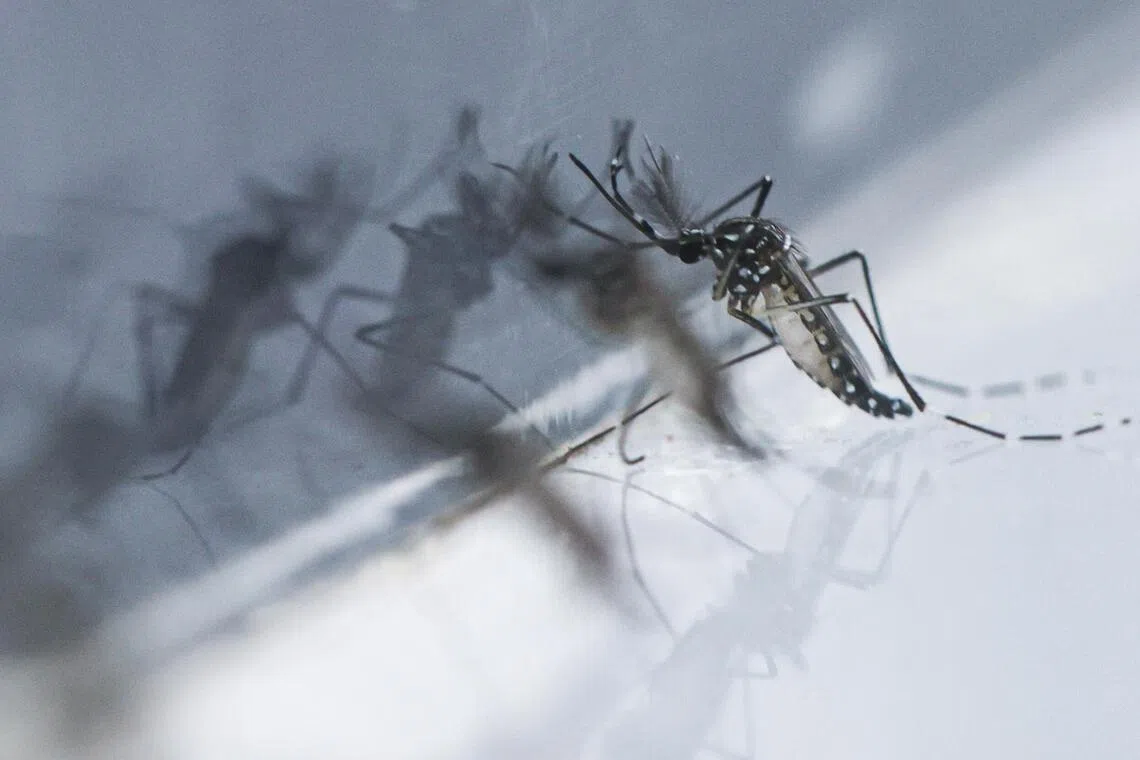
A recent study has shown that the expanded Wolbachia project has significantly contributed to reducing the spread of dengue fever, with an estimated number of cases that could have occurred in 2023 being around 13,748. Thanks to this project, approximately 4,000 cases were prevented, reflecting the success of scientific efforts in combating this disease.
Dengue fever is a viral disease transmitted through mosquito bites, causing severe symptoms that can lead to serious complications. With the increasing spread of this disease in many regions, it has become essential to seek effective solutions to mitigate its impact on public health.
Event Details
The Wolbachia project was launched in several countries around the world, relying on the introduction of Wolbachia bacteria into mosquitoes, which reduces their ability to transmit the dengue virus. Previous studies have proven the effectiveness of this method in decreasing the number of dengue cases.
The results achieved in 2023 represent an important step towards achieving public health goals, as these numbers of prevented infections signify a remarkable success in global efforts to combat infectious diseases.
Background & Context
Dengue fever is common in tropical and subtropical regions and is considered one of the major health challenges in many countries. According to the World Health Organization, the number of dengue cases has doubled in recent decades, necessitating urgent action to curb its spread.
Scientific innovations such as the Wolbachia project offer new hope in facing this challenge. The use of bacteria as a means to reduce the spread of viruses represents a shift in disease control strategies.
Impact & Consequences
The results of the Wolbachia project indicate the potential for using biotechnology in combating infectious diseases. This success may encourage more countries to adopt this strategy, potentially leading to a significant reduction in the number of dengue cases in the future.
Moreover, this achievement reflects the importance of international cooperation in public health, as combating diseases requires coordinated efforts among countries and health organizations.
Regional Significance
In the Arab region, dengue fever poses a public health threat, especially in countries with hot and humid climates. Therefore, the success of the Wolbachia project could serve as a model for Arab countries to address this challenge.
These innovations can contribute to improving public health and reducing the burden on health systems in Arab countries, enhancing their capacity to tackle infectious diseases.
In conclusion, the Wolbachia project represents an important step towards achieving global public health goals. Scientific innovations like this may be the key to addressing future health challenges.