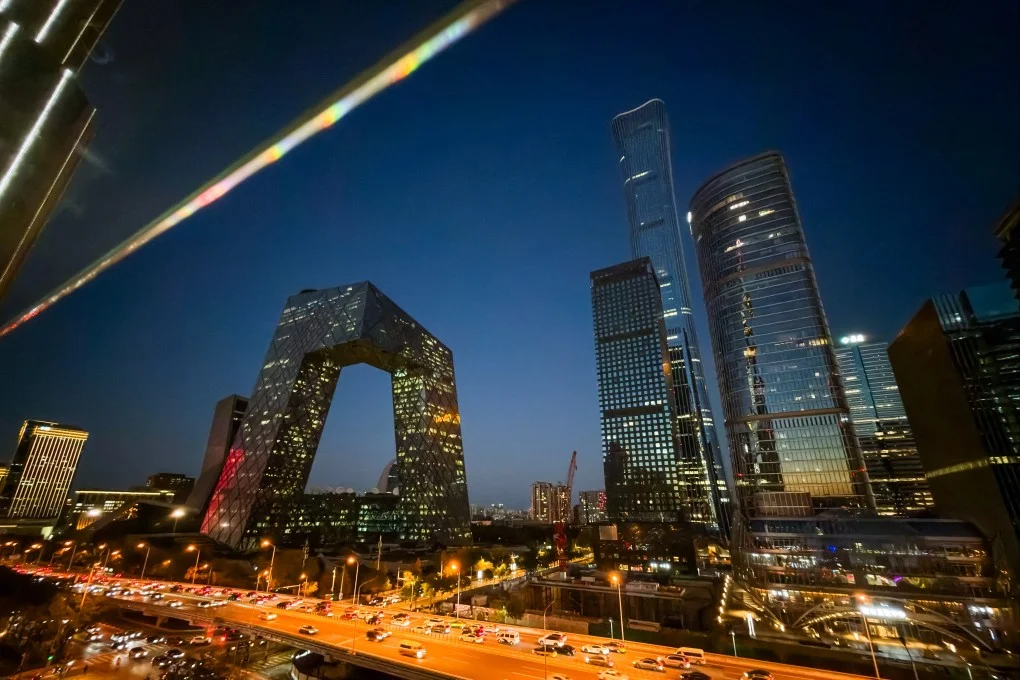
Predictions indicate that the supply of luxury offices in major cities of China and Hong Kong will peak this year, despite declining demand due to economic slowdown and global disruptions. According to a report by Cushman & Wakefield, the total area of luxury offices in 21 major cities in the Greater China region, including Hong Kong, Beijing, Shanghai, Shenzhen, and Guangzhou, is expected to reach approximately 99.2 million square meters by the end of 2025, representing an increase of 4.6 million square meters or 8.4% compared to the previous year.
This increase in supply comes at a time when the market is facing significant challenges, as demand for luxury offices remains affected by the global economic recession. This decline is attributed to several factors, including economic and political uncertainty, making companies more cautious in their decisions regarding office space leasing.
Details of the Situation
Data shows that major cities like Beijing and Shanghai are experiencing a notable increase in luxury office supply, as these cities represent a significant portion of the real estate market in China. However, the demand for these spaces does not align with this increase, leading to an oversupply.
Forecasts suggest that companies may prefer to downsize their office spaces or move to less expensive locations, increasing pressure on the market. Additionally, many companies are still adopting remote work models, negatively impacting the demand for traditional offices.
Background & Context
Historically, China has witnessed rapid growth in the real estate sector, particularly in luxury offices, where major cities attracted both foreign and domestic investments. However, global economic changes, including the impact of the COVID-19 pandemic, have led to significant shifts in corporate behavior and needs.
In recent years, concerns about economic sustainability in China have increased, affecting investor confidence. Moreover, geopolitical tensions with other countries, particularly the United States, have heightened market uncertainty.
Impact & Consequences
The increase in luxury office supply alongside declining demand could lead to a decrease in rental prices, negatively impacting investor returns in the real estate sector. This situation may prompt some companies to reassess their investment strategies, resulting in changes in the real estate landscape in China.
Furthermore, these conditions may lead to increased competition among real estate companies as they strive to offer more attractive deals to attract tenants. Under these circumstances, there may be a need for innovation in office space design to meet the needs of modern businesses.
Regional Significance
China is one of the largest trading partners of Arab countries, so any changes in the Chinese economy could directly affect Arab economies. If the decline in demand for luxury offices continues, Arab investment in China may be impacted, necessitating a reevaluation of investment strategies.
Moreover, changes in the Chinese real estate market could affect the prices of raw materials and goods imported by Arab countries, potentially leading to indirect effects on the Arab economy as a whole.