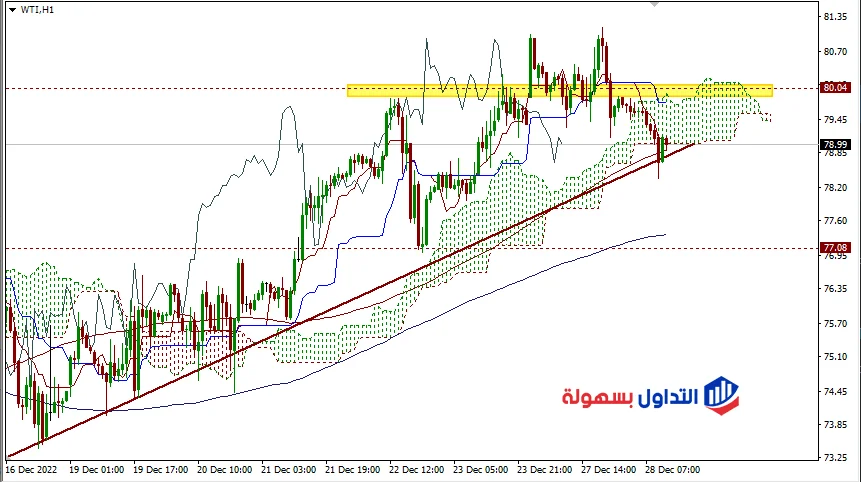
Ryan Lance, the CEO of ConocoPhillips, has revealed his expectations that the global oil market may transition into a 'contango' state in the coming months. This situation means that the prices of oil scheduled for future delivery, whether next month or later in the year, will be higher than the prices of oil available for immediate delivery. This shift could radically alter market dynamics and affect the strategies of companies and investors.
Speaking at a press conference, Lance pointed out that this trend could be the result of multiple factors, including increased demand for oil as the global economy recovers from the COVID-19 pandemic, alongside ongoing challenges in supply chains. He also emphasized the importance of closely monitoring market developments, as any price changes could impact the company’s investments and future plans.
Details of the Event
The 'contango' state is a common term in commodity markets, indicating that future prices are higher than current prices. This phenomenon typically occurs when traders anticipate an increase in demand or a shortage in supply in the future. In the case of oil, these expectations may suggest that the market anticipates a strong recovery in demand, potentially leading to higher prices in the coming months.
Lance's statements come at a sensitive time, as the oil market faces significant volatility due to geopolitical and economic crises. For instance, conflicts in regions such as the Middle East and Africa are affecting supply stability, increasing uncertainty in the market. Additionally, changes in the policies of oil-producing countries, such as OPEC, play a significant role in shaping prices.
Background & Context
Historically, the oil market has witnessed numerous shifts between 'contango' and 'backwardation' states, with each state reflecting prevailing economic and political conditions. For example, in 2020, the market experienced a 'contango' state due to a sharp decline in demand caused by the COVID-19 pandemic, leading to a significant drop in prices.
With economic activity returning in many countries, analysts expect that oil demand will rise, which could lead the market to shift back into a 'contango' state. This transition may also be driven by changes in global energy strategies, as countries seek to reduce reliance on fossil fuels and increase the use of renewable energy sources.
Impact & Consequences
If Lance's prediction comes to fruition, it could significantly affect corporate strategies in the oil sector. Companies that rely on storage and trading may benefit from this shift, as they can purchase oil at lower prices now and sell it at higher prices in the future. Conversely, companies that depend on immediate delivery may face challenges in adapting to these new dynamics.
Moreover, these changes could lead to increased volatility in oil prices, which may impact the global economy as a whole. Rising prices could lead to increased transportation and energy costs, affecting inflation and economic growth in many countries.
Regional Significance
Arab oil-producing countries, such as Saudi Arabia and Iraq, are among those most affected by changes in the oil market. If prices shift to 'contango', these countries may benefit from increased future oil revenues. However, these nations must remain cautious of potential volatility that could impact the stability of their economies.
In conclusion, the oil market remains variable and complex, and investors and decision-makers in Arab countries must closely monitor developments. Understanding current market dynamics and future forecasts will be vital for ensuring economic sustainability.