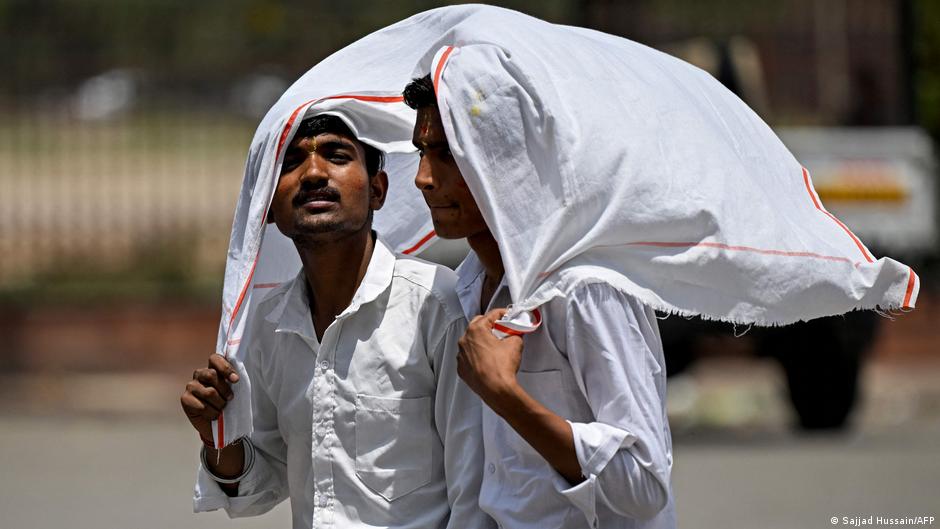
The Indian Meteorological Department has announced that the capital, Delhi, will see a reduction in the severe heat wave that has affected it in recent days, with temperatures expected to drop due to thunderstorms and rain on April 28 and 29. However, other states such as Uttar Pradesh and Madhya Pradesh are experiencing continued high temperatures, exceeding 45 degrees Celsius in some areas.
This forecast comes after Delhi recorded temperatures reaching approximately 42.1 degrees Celsius on Monday, prompting the meteorological department to issue a heat wave warning. The report indicated that temperatures in the capital are expected to decrease by 4-6 degrees Celsius over the next three days, potentially providing some relief to residents.
Event Details
In a related context, former Delhi Chief Minister Arvind Kejriwal announced that he would not participate in the legal proceedings concerning the tax exemption policy, citing a lack of trust in the integrity of the judicial process. Kejriwal stated in a letter to the judge that the current proceedings do not uphold the fundamental principle of justice, which requires that justice be seen to be done fairly.
Kejriwal also expressed concerns about potential bias, pointing to the judge's connections with a far-right political group, which heightens his anxiety regarding the possibility of receiving a fair trial. He noted that the rejection of his previous request to disqualify the judge has exacerbated his fears and left him unable to anticipate a fair trial session.
Background & Context
Historically, India has experienced severe heat waves during the summer, with temperatures sometimes exceeding 45 degrees Celsius in various regions. These weather phenomena are not new, but they have been increasing significantly in recent years, raising concerns about the impacts of climate change on the country.
India is considered one of the most vulnerable countries to the effects of climate change, with heat waves affecting agriculture and public health. Extreme weather conditions have led to a rise in heat-related illnesses, necessitating a swift response from both the government and the community.
Impact & Consequences
Heat waves have negative effects on the Indian economy, impacting crop production and increasing healthcare costs. The continued rise in temperatures may exacerbate humanitarian crises in the most affected areas.
These conditions require an effective government response, including support for farmers and affected communities, as well as raising awareness about how to cope with heat waves. There is also an urgent need to develop long-term strategies to adapt to climate changes.
Regional Significance
The Arab region shares similar challenges related to climate change, with many countries suffering from rising temperatures and droughts. These phenomena pose a threat to food and water security in the region, necessitating regional cooperation to address these challenges.
There is an increasing need for knowledge and experience sharing between Arab countries and India in areas of climate change adaptation and the development of effective strategies to cope with extreme weather conditions.