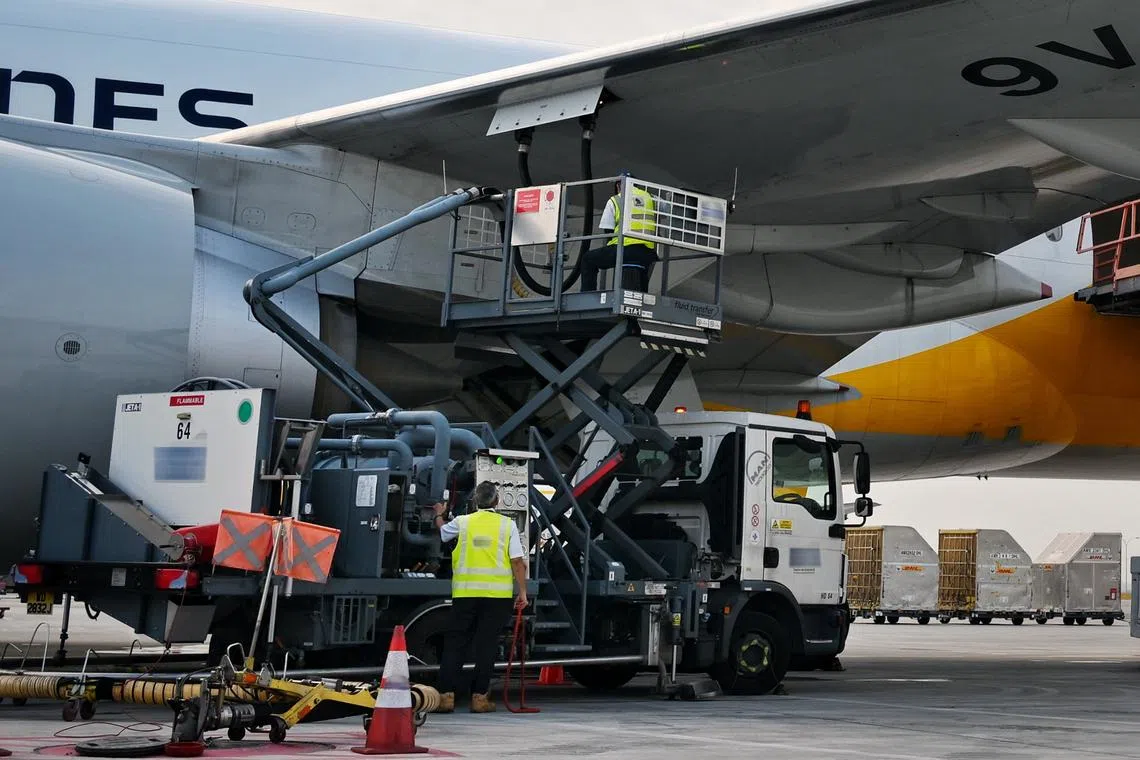
Willie Walsh, the Director General of the International Air Transport Association (IATA), stated that aircraft fuel supplies will require several months to recover, even if the Strait of Hormuz remains open. Walsh confirmed that airfare prices will stay elevated, noting a "nearly direct correlation" between oil prices and airfare.
These statements come at a time when the energy market is experiencing significant fluctuations due to geopolitical events affecting oil supplies. The Strait of Hormuz, through which approximately 20% of global oil supplies pass, is a vital point in securing energy supplies.
Details on the Situation
The aviation industry has been significantly impacted by rising fuel prices, as fuel is one of the largest operational costs for airlines. With ongoing disruptions in oil markets, experts expect fuel prices to remain high, which will directly affect airfare prices.
Walsh also pointed out that airlines will face major challenges in managing their costs, which could lead to increased ticket prices. Simultaneously, some companies may have to reduce the number of flights or even cancel certain services, impacting traveler options.
Background & Context
Historically, the aviation industry has seen significant price fluctuations due to changes in oil prices. During crises, such as wars or economic downturns, fuel prices often rise, leading to increased operational costs. In recent years, there has been a notable increase in oil prices due to geopolitical tensions, adversely affecting the aviation sector.
Although the Strait of Hormuz is a critical point for oil supplies, other factors also influence oil prices, such as U.S. production and tensions in other parts of the world. Therefore, any changes in these factors could affect fuel prices and, consequently, airfare prices.
Impact & Consequences
The ongoing increase in fuel prices is expected to have negative effects on the aviation industry, as companies will have to make tough decisions regarding pricing and services. This may lead to a reduction in available options for travelers and increase their financial burdens.
Moreover, rising airfare prices could impact travel and tourism, which in turn would affect the global economy. Under these circumstances, airlines need to consider new strategies to adapt to these challenges.
Regional Significance
The crisis is of significant importance as it affects travel and tourism costs, which could negatively reflect on the global economy. Airlines must navigate these challenges carefully to maintain their operations and service quality.
In conclusion, the interplay between fuel supply issues and rising oil prices poses a considerable challenge for the aviation industry, necessitating strategic adjustments to mitigate adverse effects on travelers and the broader economy.