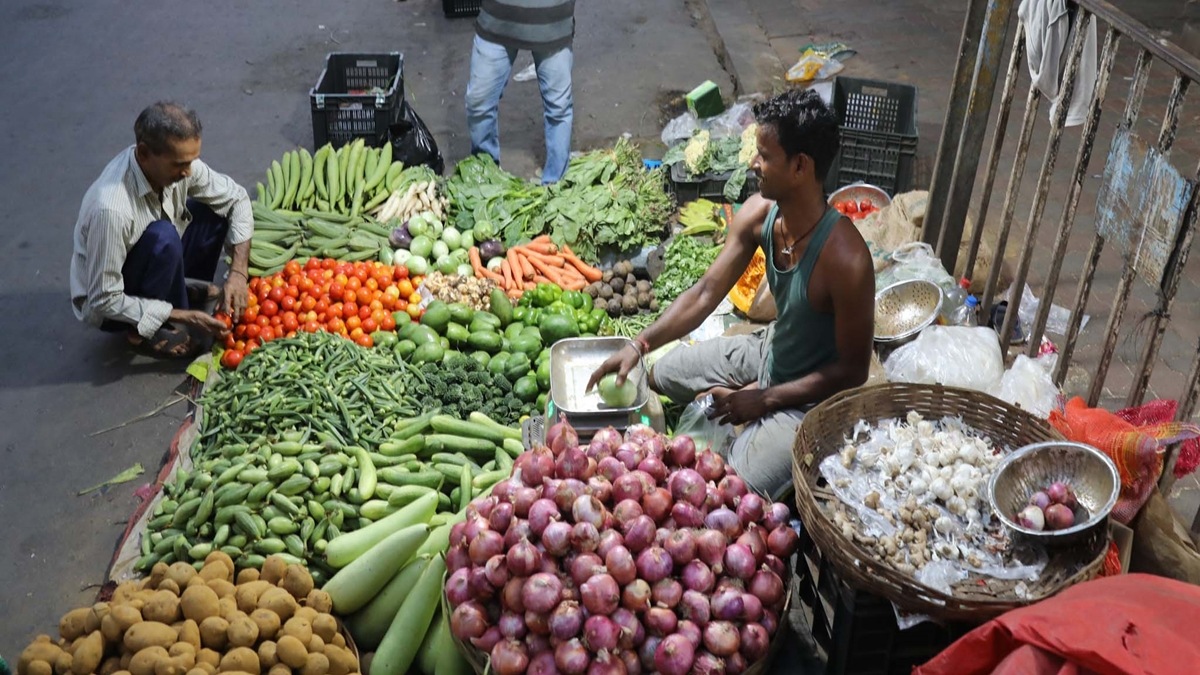
An agricultural economics professor stated that the current rise in tomato prices is temporary, indicating that prices will see a noticeable decline with the onset of new agricultural cycles. This statement comes amid the current economic conditions in the country, where citizens are facing a significant increase in the prices of basic goods.
Tomatoes are considered a staple vegetable in the Egyptian diet, used in many daily dishes. With the rise in prices, consumers are concerned about their ability to secure their nutritional needs. Recently, markets have witnessed significant price fluctuations, increasing pressure on Egyptian families.
Details of the Event
The agricultural economics professor explained that climatic factors and harvest times play a significant role in determining tomato prices. The new crops, which will begin soon, will contribute to an increase in supply in the markets, leading to a decrease in prices. He noted that prices may rise during certain periods, but with the availability of new harvests, prices will return to their normal levels.
He also added that the government is working to support farmers by providing production supplies at reasonable prices, which will help improve productivity and lead to price stability in the market.
Background & Context
Historically, tomato prices in Egypt have experienced significant fluctuations, influenced by various factors such as weather, agricultural seasons, and market demands. In recent years, the government has made efforts to reduce the gap between supply and demand by supporting local agriculture.
Tomatoes are considered a strategic crop in Egypt, cultivated over large areas and playing an important role in the agricultural economy. However, price fluctuations directly affect citizens' lives, making it essential to find sustainable solutions to this issue.
Impact & Consequences
The rise in tomato prices may impact household budgets, as tomatoes are a key ingredient in many dishes. With rising prices, consumers may resort to reducing their consumption or seeking alternatives, which could affect nutritional health.
Moreover, stabilizing tomato prices will enhance consumer confidence in the market and encourage local consumption, contributing to supporting the national economy. If prices continue to decline, this may lead to increased demand for tomatoes, helping farmers achieve better profits.
Regional Significance
Egypt is one of the largest tomato producers in the Arab region, so any changes in its prices may affect neighboring markets. A rise in prices in Egypt could lead to increased demand for tomatoes from other countries, impacting regional trade.
Furthermore, stabilizing tomato prices in Egypt could serve as a model for other Arab countries facing similar challenges in agricultural production. Strengthening cooperation among Arab countries in agriculture could contribute to achieving regional food security.
In conclusion, hope remains pinned on the new agricultural cycles to alleviate pressures on consumers and achieve stability in tomato prices. The government's and farmers' responses to these challenges will determine the future of this essential commodity's prices in the market.