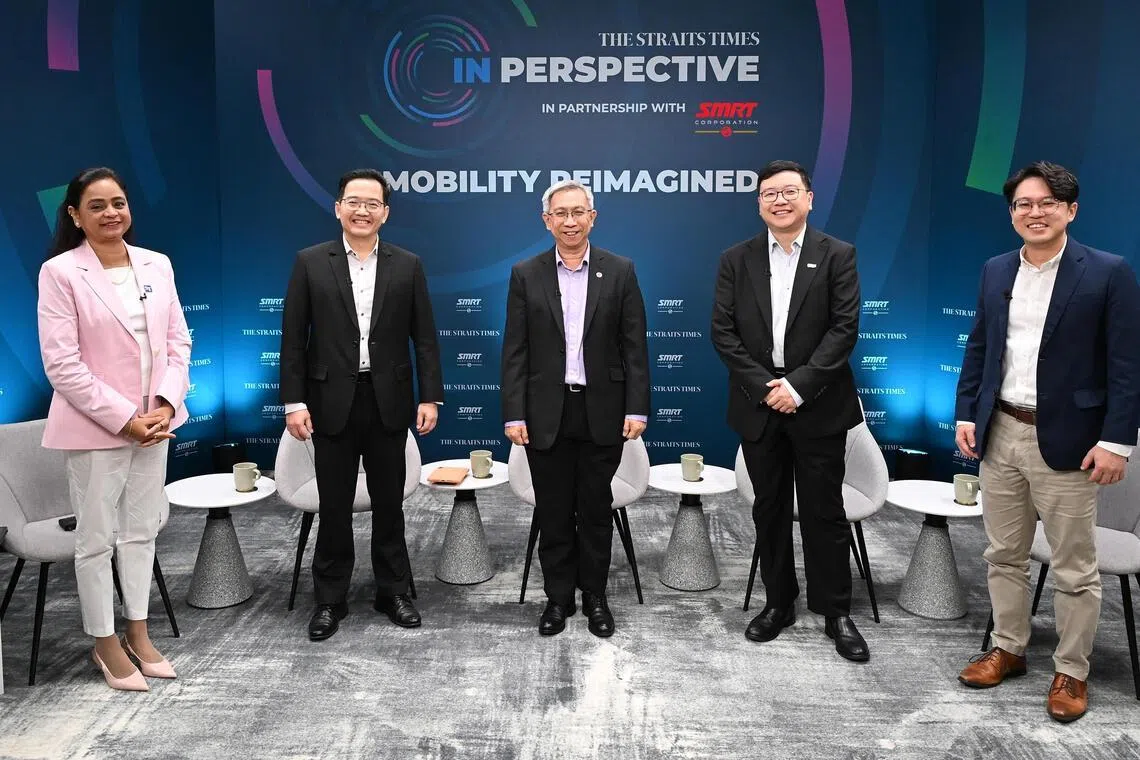
At a specialized seminar discussing the future of transport, experts stressed the necessity for artificial intelligence to assist human workers instead of replacing them. They pointed out the potential for human-like robots to be utilized in transport stations over the next decade, reflecting modern trends in technology and transport.
These statements come amid a growing reliance on technology across various sectors, where human-like robots are expected to facilitate services and enhance passenger experiences. Seminar participants indicated that these robots would aid in providing information and guidance to passengers, thereby improving operational efficiency.
Details of the Seminar
The seminar was part of a series of events aimed at discussing the future of transport in light of rapid technological advancements, featuring a group of experts and specialists in transport and artificial intelligence. Various topics were addressed regarding how to integrate technology into transport services.
Experts also noted that human-like robots could play a crucial role in enhancing safety at transport stations, as they can monitor activities and provide immediate assistance in emergencies. Additionally, potential challenges were discussed, including ethical and social issues related to the use of artificial intelligence.
Background & Context
The transport industry has historically witnessed significant developments with the advent of modern technology, ranging from electronic booking systems to smart transport applications. As the use of artificial intelligence increases, it has become essential to consider how this technology can be employed in a way that ensures human workers are not sidelined.
Concerns are rising that increased reliance on robots may lead to job losses, prompting experts to emphasize the need for artificial intelligence to be a supportive tool for workers rather than a replacement. This approach reflects the necessity of finding a balance between technology and human labor.
Impact & Consequences
These developments are expected to significantly impact the labor market in the transport sector, as human-like robots may require new skills from workers. The introduction of this technology could also lead to improved efficiency and reduced operational costs, positively affecting service prices for passengers.
However, clear strategies must be established to ensure workers are trained to use this new technology, which will help alleviate concerns about job loss. Focus should be placed on developing workers' skills to suit the new environment that will emerge as a result of these transformations.
Regional Significance
The integration of human-like robots in transport stations could revolutionize the way services are delivered, enhancing the overall passenger experience. This shift not only reflects technological advancement but also highlights the importance of adapting the workforce to meet new demands.
In conclusion, the discussions at the seminar underscore the critical need for collaboration between technology and human labor to ensure that advancements in artificial intelligence benefit both sectors, paving the way for a more efficient and inclusive future in transport.