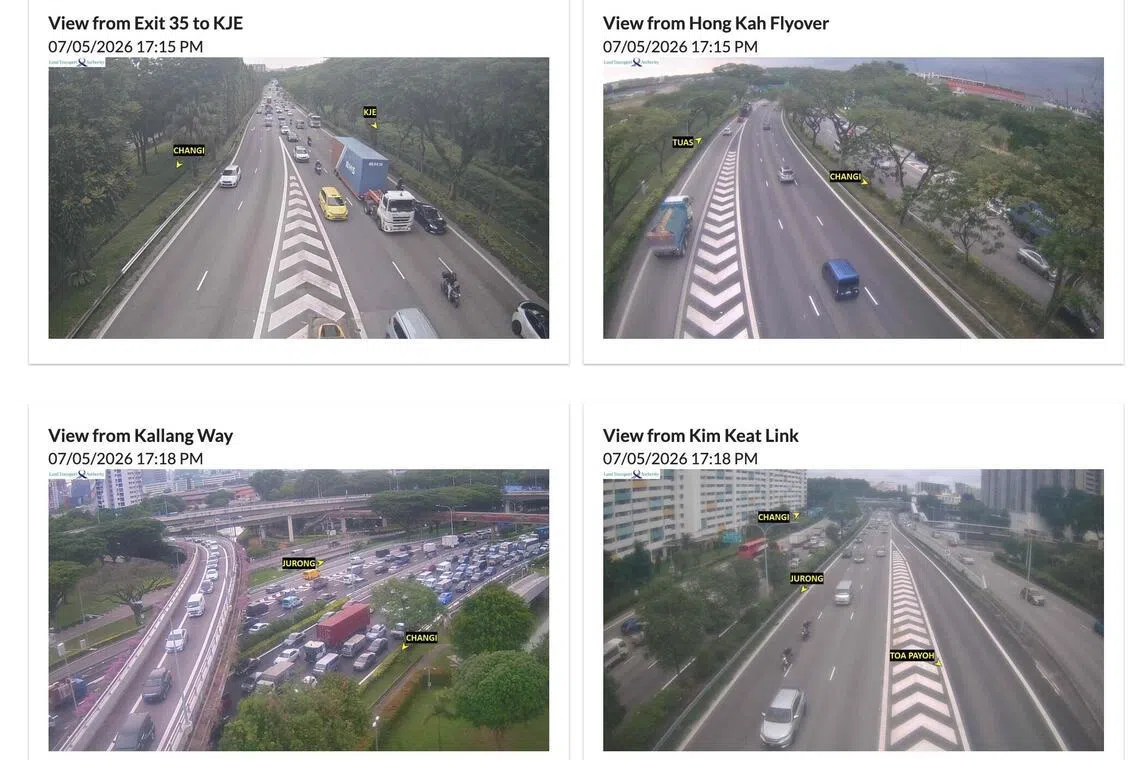
The Land Transport Authority of Singapore has announced significant changes to its traffic monitoring system, which will involve the removal of most existing traffic cameras and some electronic billboards. This decision is part of the transition to the new ERP 2 system, designed to improve driver experiences and provide vital information directly.
The ERP 2 system represents an important update to the previous system, enabling drivers to access accurate traffic information through an integrated unit in their vehicles. This shift reflects a move towards utilizing modern technology to enhance traffic management and reduce congestion.
Details of the Update
The Land Transport Authority aims to improve the efficiency of the traffic system in Singapore by removing traditional cameras that were used for monitoring traffic and recording violations. Instead, the new system will rely on providing direct information to drivers, making it easier for them to make appropriate decisions while driving.
This update is expected to contribute to reducing traffic congestion, as it will allow drivers to know the real-time status of roads, helping them avoid congested routes. Additionally, the new system will enhance road safety by minimizing the need for sudden stops or navigating unfamiliar alternative routes.
Background & Context
Singapore is recognized as a leader in utilizing technology to improve transportation infrastructure. Over the years, the government has implemented a range of smart systems for traffic management, including the ERP system launched in 1998. The goal of this system was to reduce traffic congestion and enhance road safety.
As technology has advanced, it has become necessary to update older systems to meet the needs of drivers and citizens. Therefore, the ERP 2 system emerged as a natural step towards improving traffic management in the city, focusing on providing accurate and timely information to drivers.
Impact & Consequences
This update could have a significant impact on traffic in Singapore. By providing real-time information to drivers, the number of traffic accidents may decrease, as drivers will be able to make informed decisions based on road conditions. Furthermore, this system may encourage the use of public transportation, contributing to reduced congestion.
Moreover, this update could lead to improved air quality in the city, as reducing congestion means lowering emissions. This aligns with the government's goals of achieving a more sustainable and healthier environment for citizens.
Regional Significance
The implications of this update extend beyond just traffic management; it represents a broader commitment to integrating technology into urban planning. As cities around the world face similar challenges of congestion and pollution, Singapore's approach could serve as a model for other urban centers looking to modernize their traffic systems.
In conclusion, the removal of traditional traffic cameras in favor of a more integrated and technology-driven approach signifies a pivotal shift in Singapore's traffic management strategy. This initiative not only aims to enhance the driving experience but also contributes to broader environmental and safety goals.