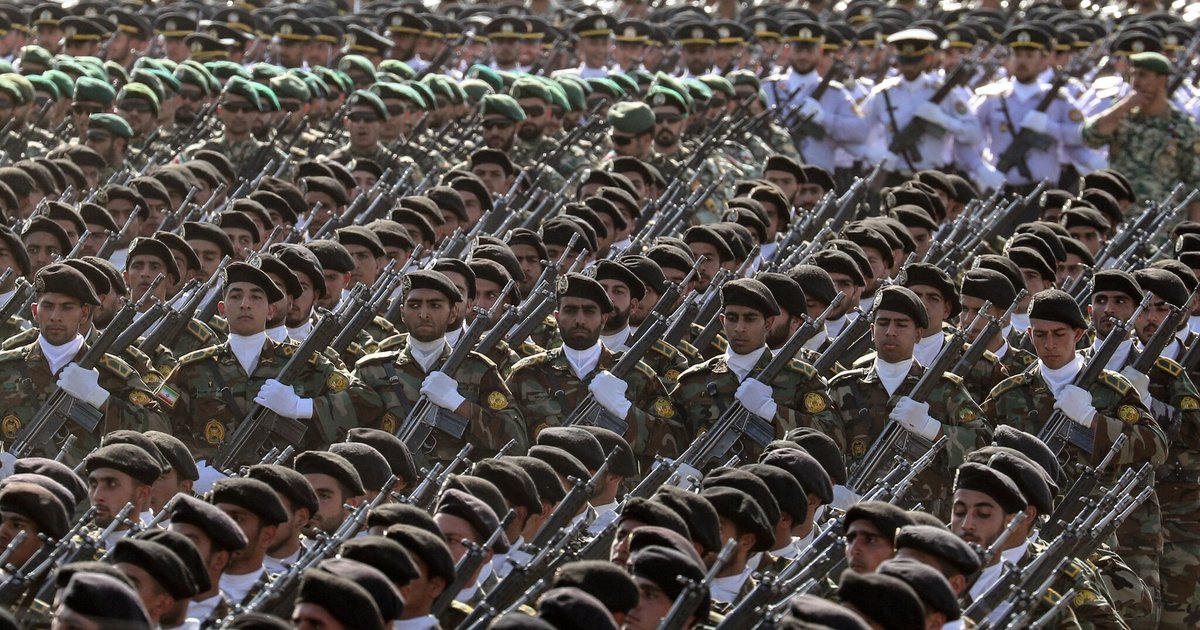
Military experts caution that the deployment of US forces in Iran could lead to a quagmire difficult to escape from. This warning comes amid rising tensions between Washington and Tehran, raising fears of potential military escalation.
As the United States continues to bolster its military presence in the region, experts believe that this move could have dire consequences for US national security. An analysis published by the Israeli newspaper Haaretz indicated that any direct military intervention could drag the United States into a long-term conflict with Iran, potentially resulting in significant human and material losses.
Details of the Situation
Calls are increasing in the United States for heightened pressure on Iran, especially following the escalation of Iranian military activities in the region. Some US officials have expressed a desire to send more troops to the Middle East, a move seen as a response to Iran's growing threats.
However, experts warn that such steps could lead to undesirable escalation. David Schenker, a senior researcher on Iranian affairs, confirmed that any US military presence on the ground could provoke a violent reaction from Iran, potentially dragging the United States into an open military conflict.
Background & Context
Historically, relations between the United States and Iran have been strained since the Islamic Revolution in 1979. These relations have witnessed several phases of escalation, including proxy wars in Iraq and Syria, where Iran supported armed groups hostile to the United States.
In recent years, tensions have notably escalated following the US withdrawal from the Iranian nuclear deal in 2018. Since then, Iran has enhanced its nuclear program, raising international concerns about its potential development of nuclear weapons.
Impact & Consequences
If the United States decides to deploy its forces on the ground, it could fundamentally alter the dynamics of the conflict in the region. This could strengthen Iran's position in the region and increase the power of its allies such as Hezbollah in Lebanon and the Houthi militias in Yemen.
Moreover, US military intervention could increase polarization in the region, making it difficult to achieve any form of stability. This could exacerbate humanitarian crises in neighboring countries like Iraq and Syria, which are already suffering from the effects of ongoing conflicts.
Regional Significance
Arab countries neighboring Iran, such as Saudi Arabia and the UAE, are among the most affected by any military escalation. These countries may feel a greater threat from Iran, potentially prompting them to strengthen their military alliances with the United States.
Additionally, any military escalation could lead to an influx of more refugees into neighboring Arab countries, increasing the pressures on these nations that are already grappling with economic and social crises.
In conclusion, the question remains whether the United States will take further steps towards military intervention in Iran or seek diplomatic solutions to ease tensions. The options available to Washington require a delicate balance between maintaining US national security and avoiding slipping into a long-term conflict.