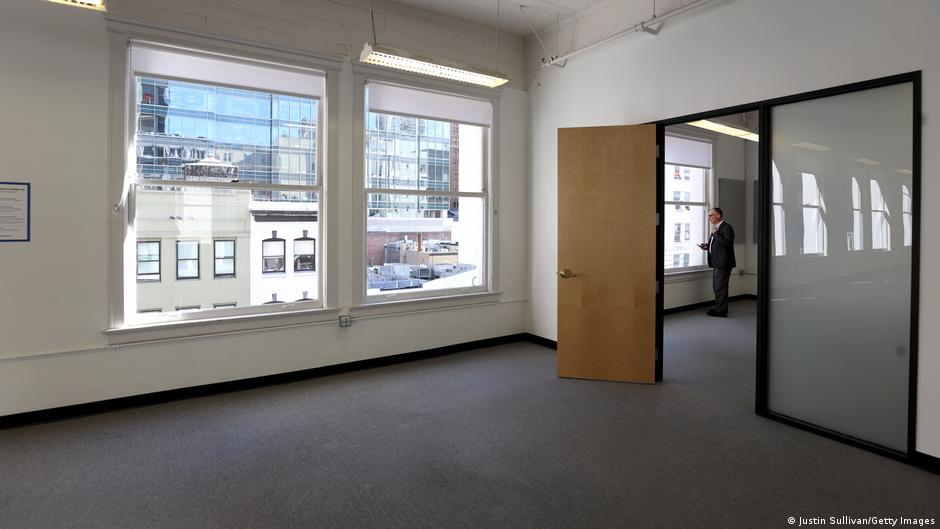
The commercial real estate industry is experiencing a major shift in recent years, as the effects of artificial intelligence begin to cast a shadow over the sector. Traditionally reliant on human decision-making for investment choices, it seems that AI could change the rules of the game.
In February, shares of several leading companies in the commercial real estate services sector plummeted sharply, raising investor fears about the potential replacement of human brokers with AI models. Companies like CBRE, Jones Lang LaSalle, and Cushman & Wakefield lost billions of dollars in market value within just two days.
Details of the Shift
Joe Dickstein, an equity research analyst at Jefferies, states that the concern is not limited to the declining value of commercial properties, but also pertains to the possibility of replacing human brokers with AI technologies. He points out that labor-intensive brokerage businesses may be particularly vulnerable to change.
On the other hand, Francis Huang, a researcher in this field, believes that AI can enhance the efficiency of investment decision-making, noting that the use of technology can reduce costs and increase productivity.
Background & Context
Historically, the commercial real estate industry has undergone significant changes due to technological advancements. With the rise of e-commerce and the increase in remote work, it has become clear that this industry needs to adapt to new variables. AI now represents a new force influencing how this industry operates.
In recent years, the demand for data centers has surged due to the increasing need for computational power, leading to a rise in the construction of these facilities. Additionally, technology companies have begun to lease office spaces more frequently, reflecting a shift in demand for commercial real estate.
Impact & Consequences
Some studies predict that AI will lead to radical changes in how the commercial real estate industry operates. However, experts indicate that the greatest threat is not from AI itself, but from companies' inability to adapt to these changes. Yohan Wang, global research director at Jones Lang LaSalle, states that investors should view AI as a competitive tool rather than a threat.
The primary applications of AI in this sector include market trend analysis, risk modeling, portfolio optimization, and automated valuation, which enhance companies' ability to make more accurate and timely decisions.
Regional Significance
The implications of AI on commercial real estate are not just local but global, affecting markets worldwide. As companies increasingly adopt AI technologies, the competitive landscape will shift, potentially leading to the emergence of new market leaders.
In conclusion, the integration of AI into commercial real estate signifies a pivotal moment for the industry, necessitating a proactive approach from investors and stakeholders to harness its potential benefits.